
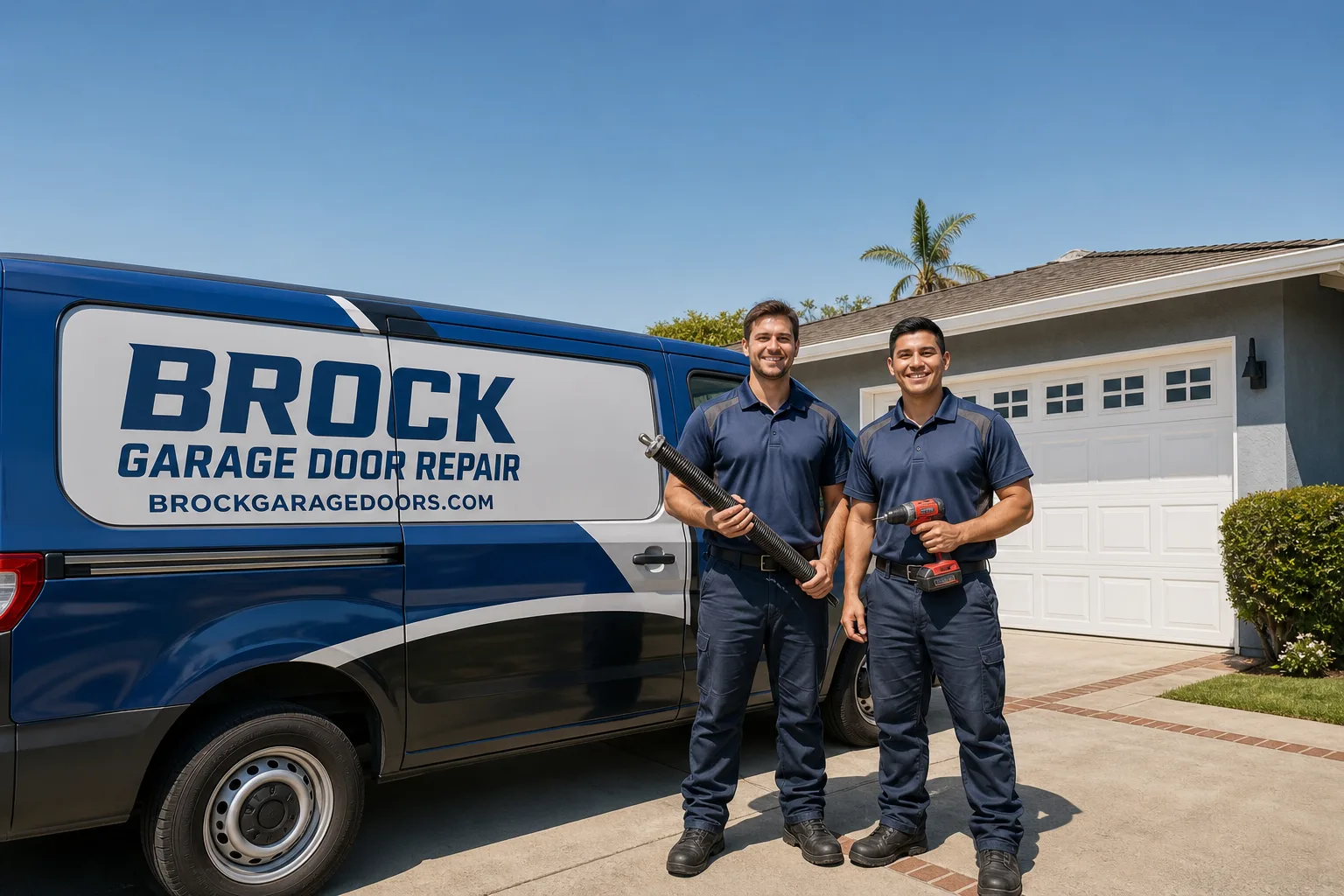
Full 25-point door and opener safety check with every visit - springs, cables, rollers, tracks, and your LiftMaster or Chamberlain opener included
You get a price before we start. It does not change when the truck arrives.
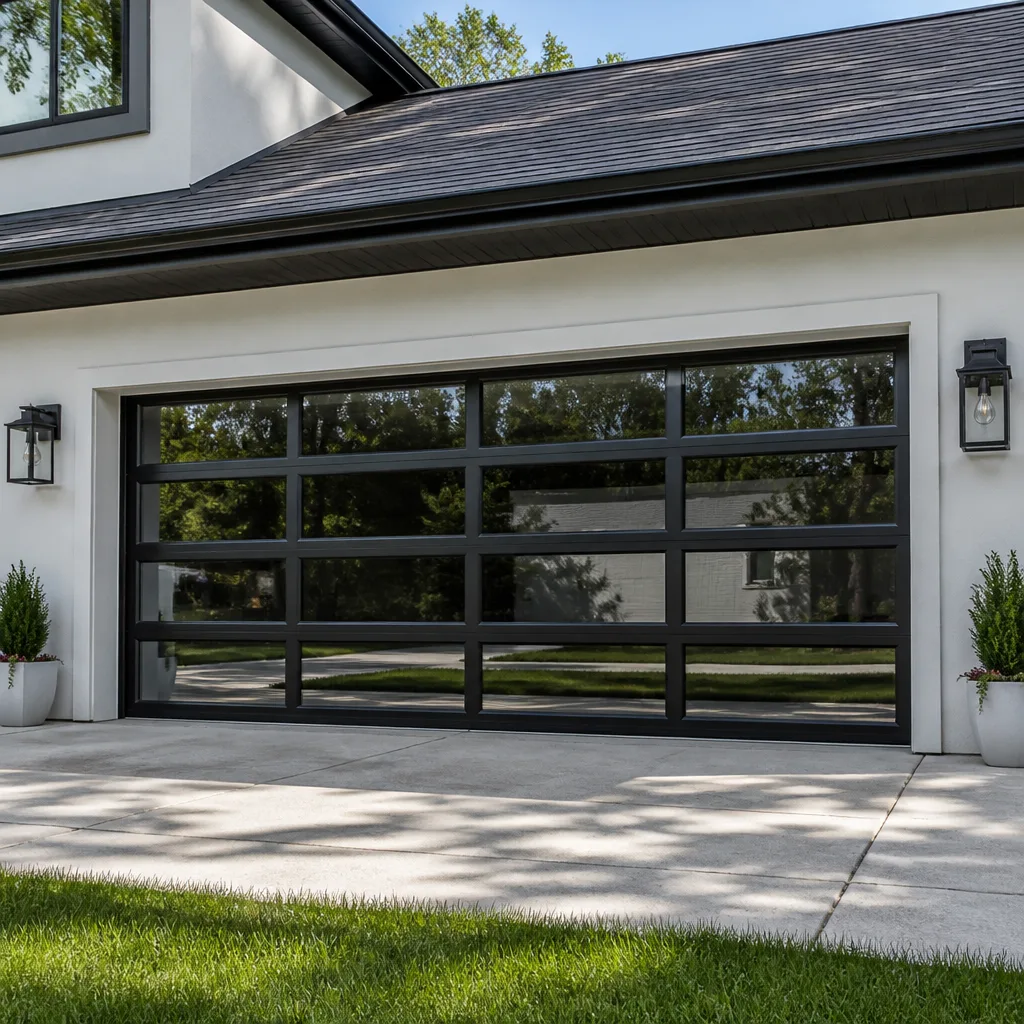
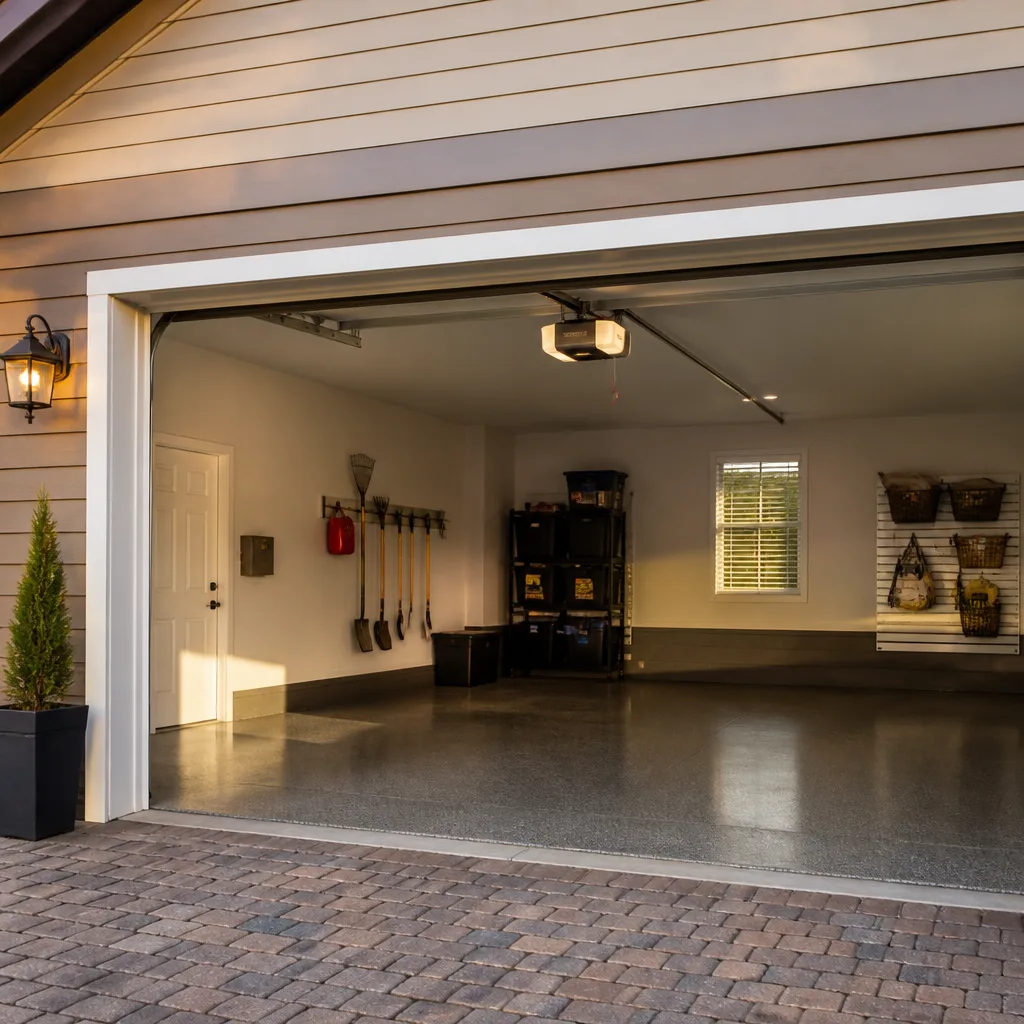
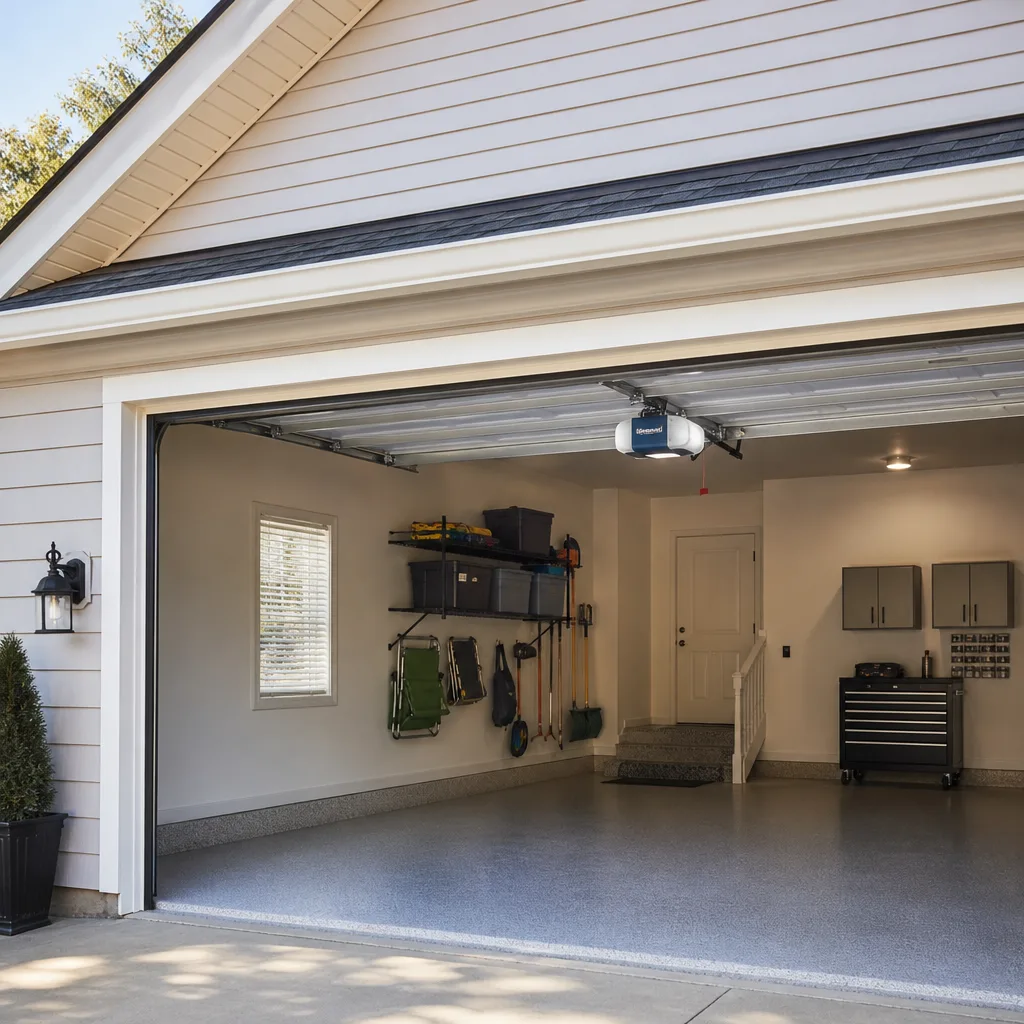
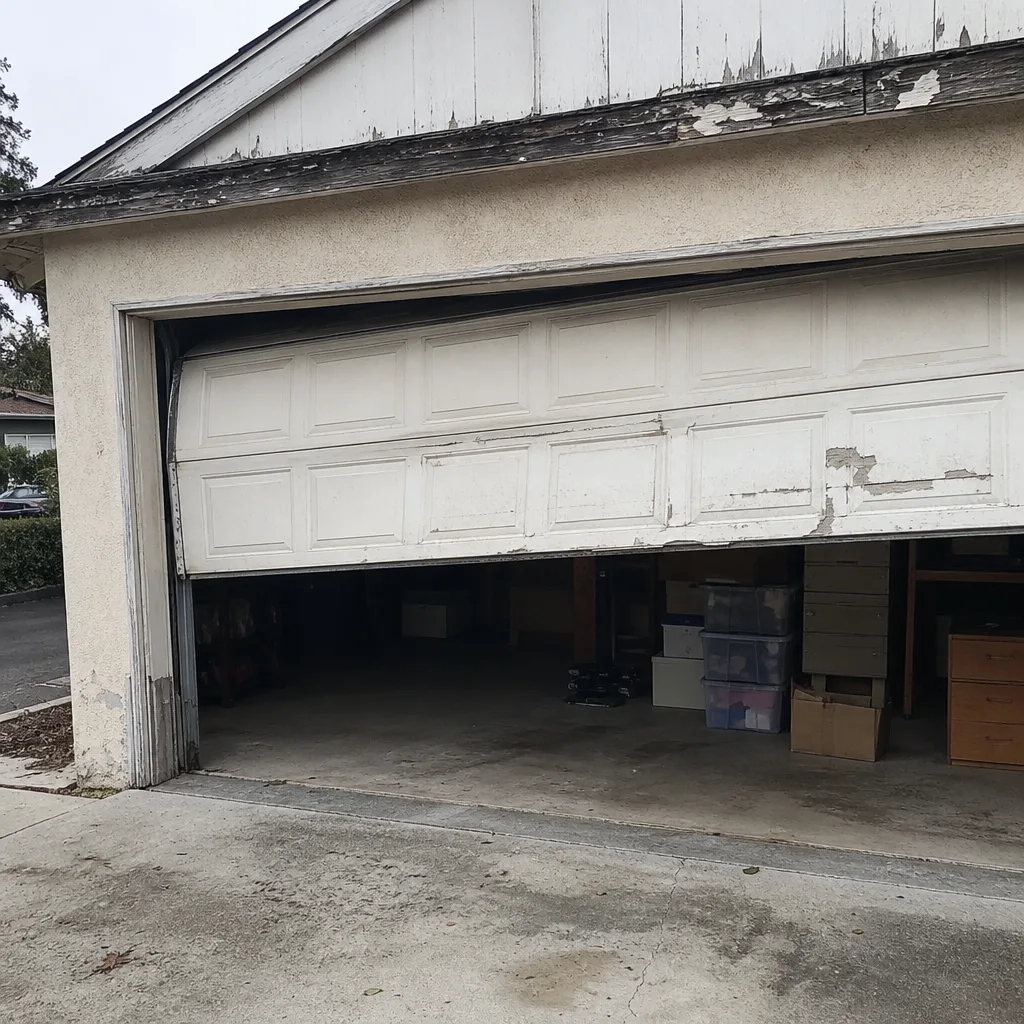 Before
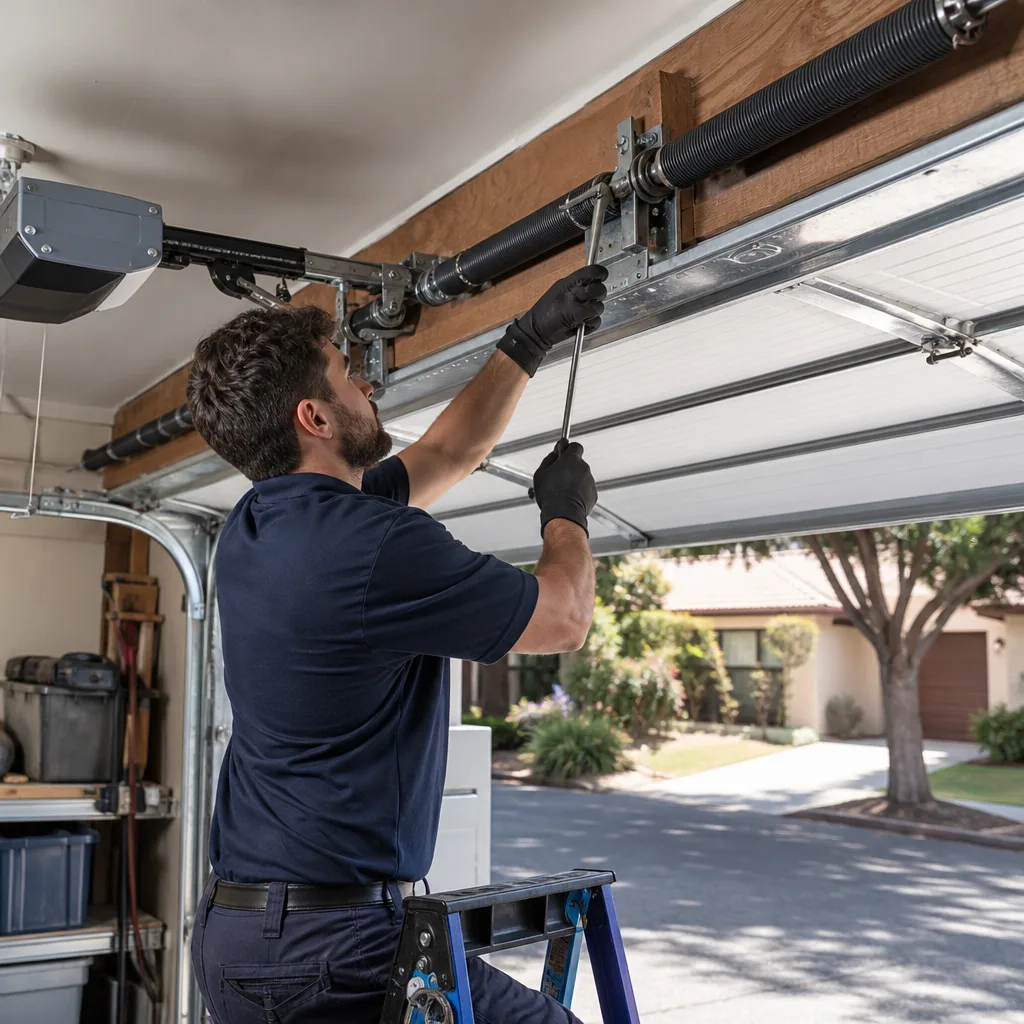 After
After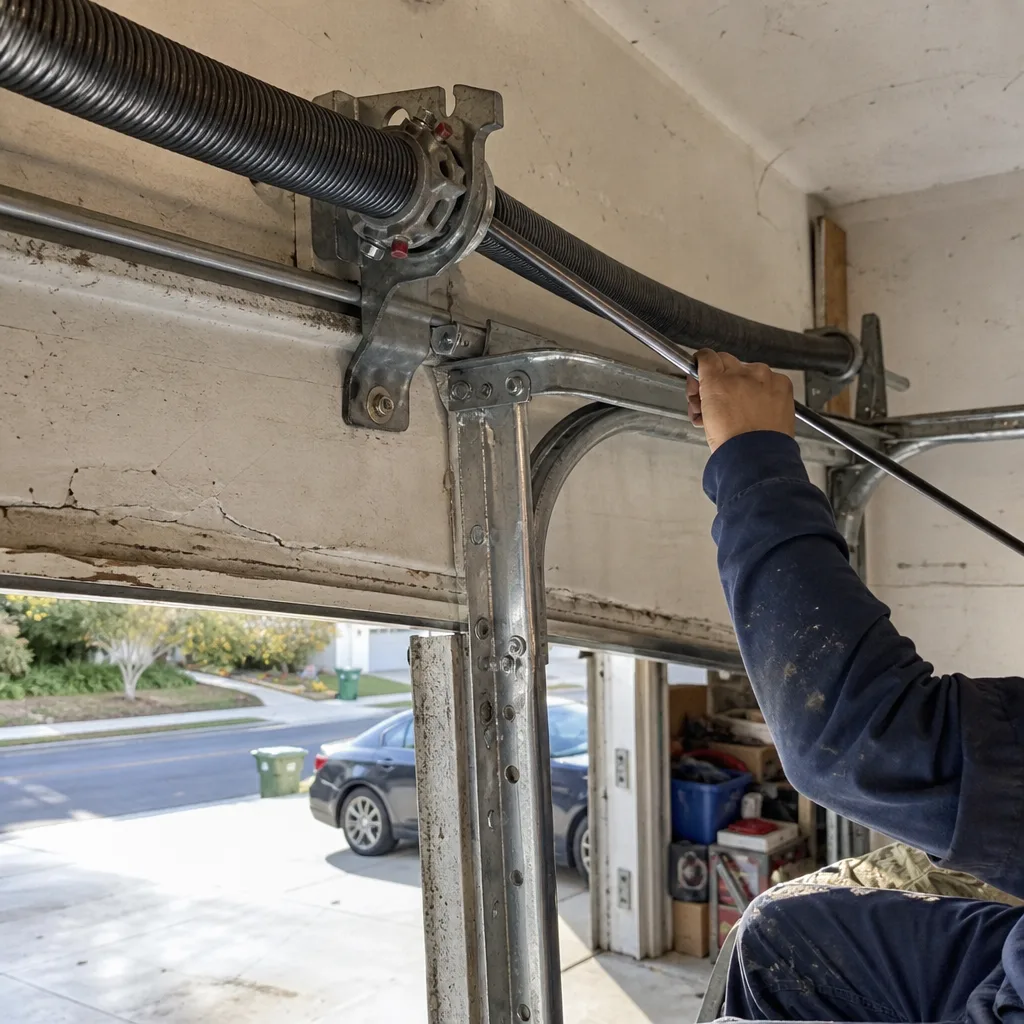 Before
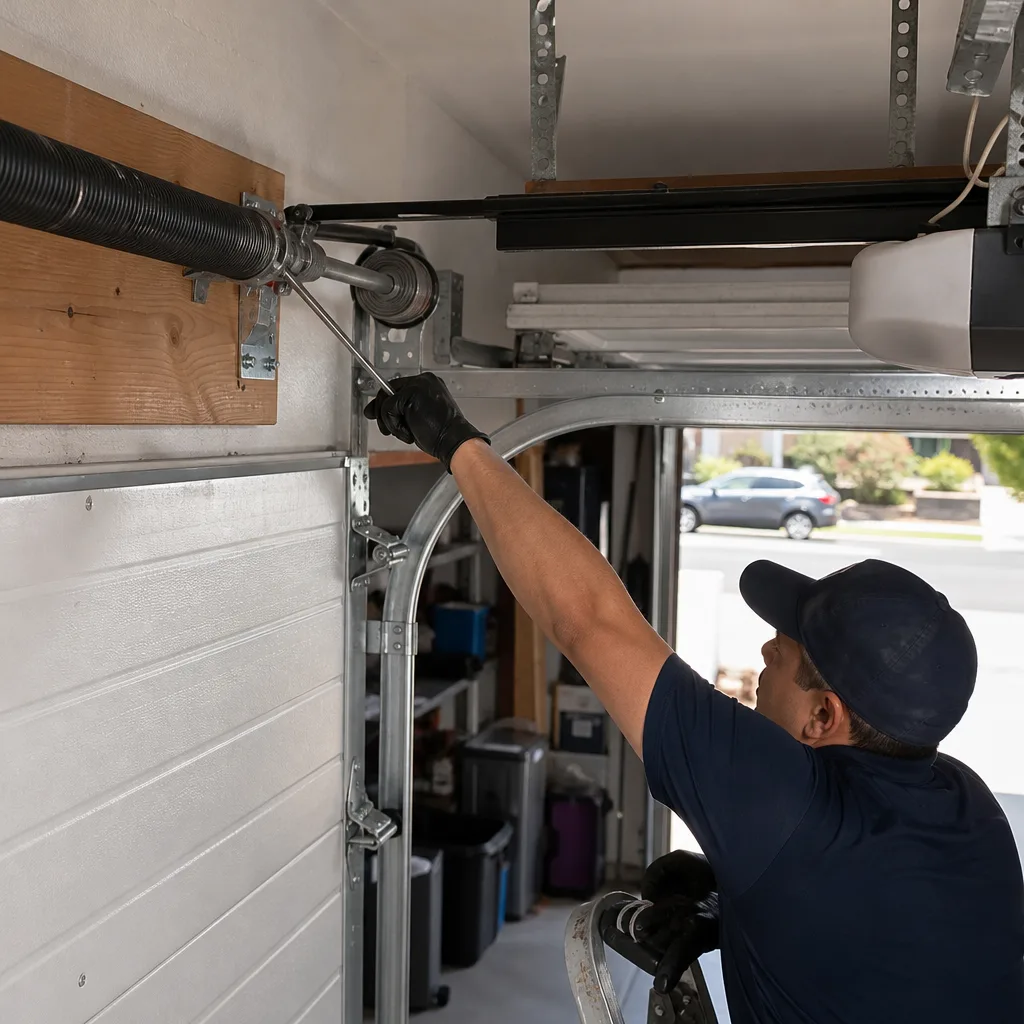 After
After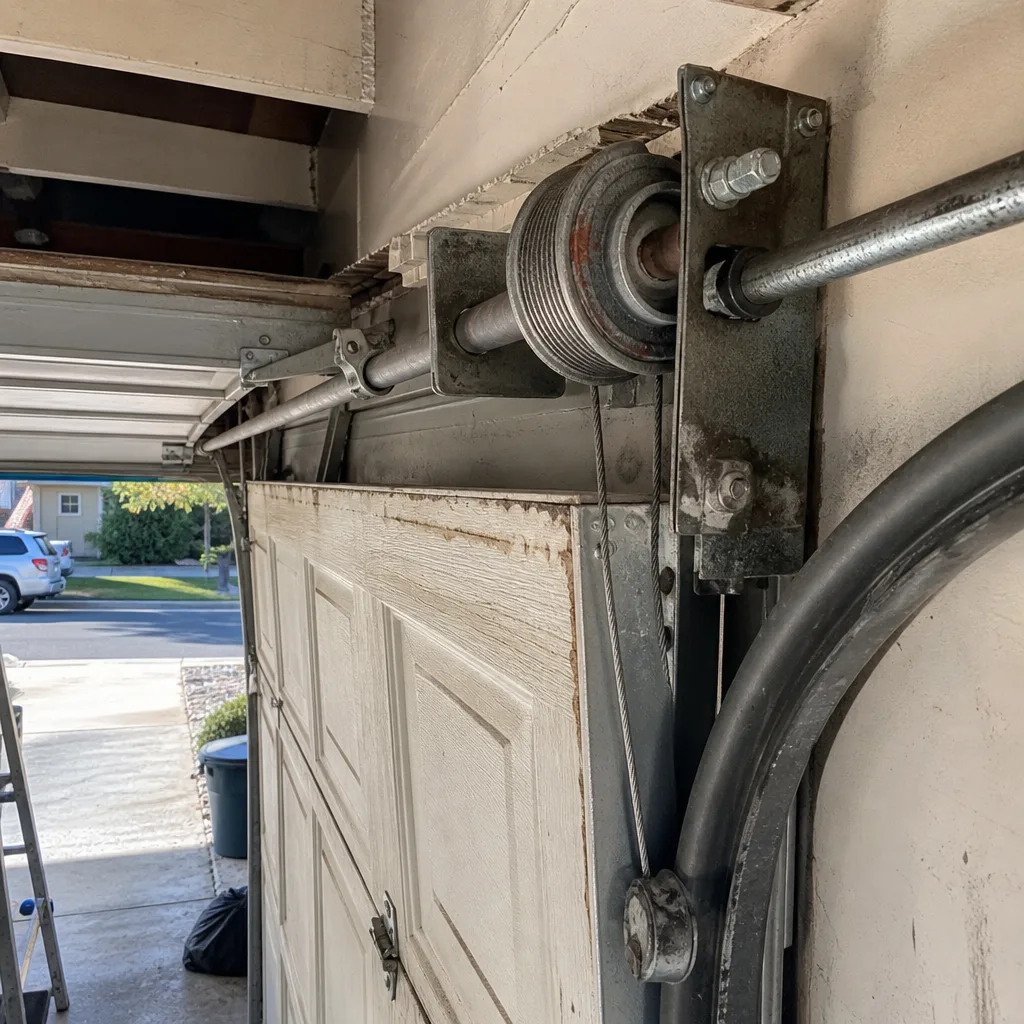 Before
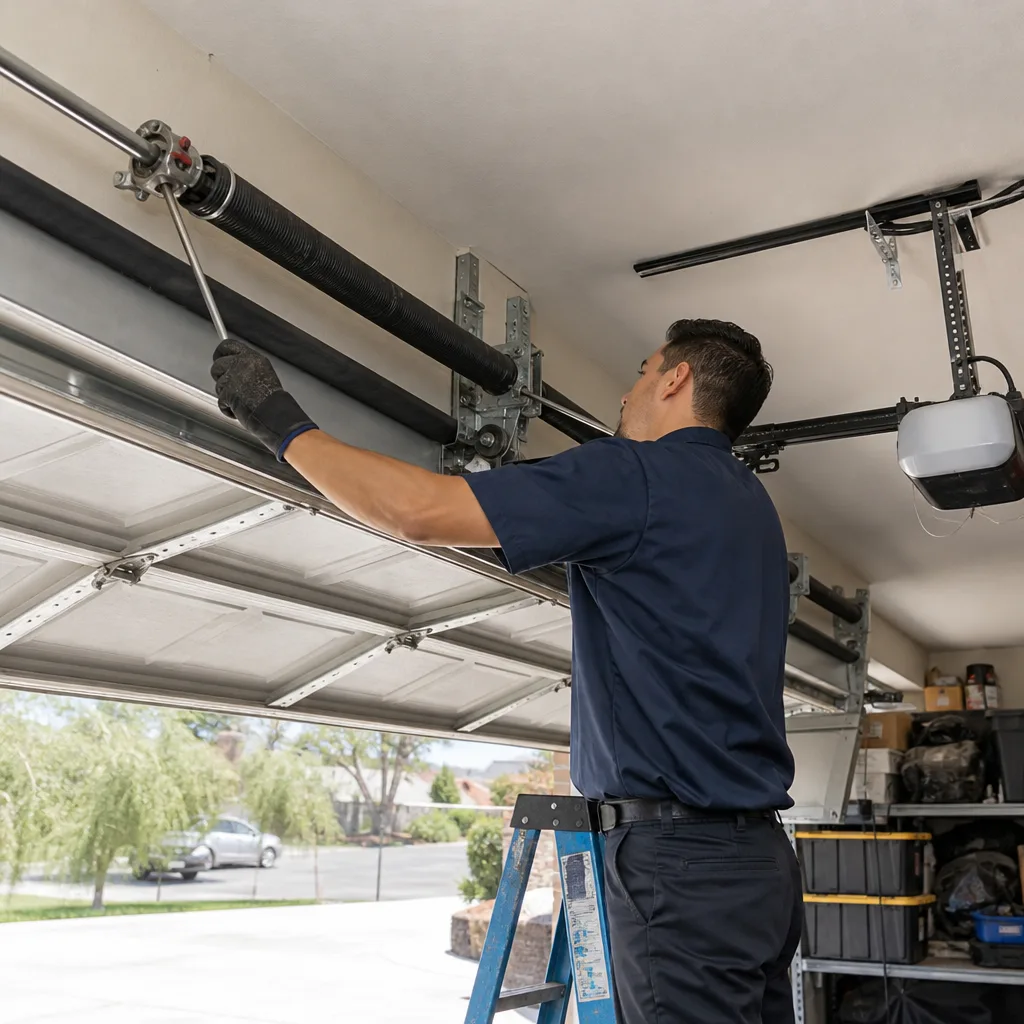 After
AfterGarage Door Reverses Before Hitting the Floor
When your garage door starts descending and then reverses back up before it reaches the floor, the door’s safety system is telling you something is wrong. In most cases, the close-limit setting is off, an object or obstruction is breaking the photo-eye sensor beam, or the door is meeting resistance it isn’t supposed to feel. All three of these causes are diagnosable, and all three are fixable.
The door reversing before it closes is not a random glitch. Your opener has two built-in protections: a pair of photo-eye sensors near the floor on each side of the door, and a close-limit setting that tells the motor how far to travel before it stops. If either one is out of spec, the opener interprets the situation as a safety hazard and sends the door back up. That’s actually the system working exactly as intended – the frustrating part is figuring out which trigger is firing.
Why It Happens
Photo-Eye Sensors Misaligned or Blocked
Two small sensors sit roughly six inches off the ground, one on each side of the door track. They send an invisible beam across the opening; if anything breaks that beam while the door is closing, the opener reverses immediately. Dirt on the lens, a sensor knocked slightly out of alignment, or even a bright patch of afternoon sun hitting one sensor directly can cause a false trip. You can usually tell this is the issue if a small amber or red light on one of the sensors is blinking or off entirely when the door should be able to close.
Close-Limit Setting Out of Adjustment
The close-limit setting tells the opener’s motor how many rotations it takes to bring the door all the way to the floor. If that number is too low, the motor stops short, feels the door still under tension, and reverses because it thinks it hit something solid. This one is easy to spot: the door stops a few inches above the floor, hangs there for a moment, and then goes back up. No grinding, no banging – just a short stop and a reversal.
Worn or Broken Springs
Torsion and extension springs counterbalance the door’s weight. When a spring weakens or breaks, the door becomes heavy on the way down, and the opener’s built-in force sensor reads that extra resistance as an obstruction. You may hear a loud bang if a spring snapped, or you may just notice the door moving slower than usual before it reverses. Do not attempt to inspect or adjust springs yourself. Springs are under significant tension and can cause serious injury if released unexpectedly. If you suspect a spring problem, stop using the door and call your local Brock Garage Door Repair team.
Worn Cables or a Track Obstruction
Lift cables run from the bottom corners of the door up to the drum above. A fraying cable or one that has slipped off the drum creates uneven tension that the opener reads as resistance. Separately, a bent track section or a roller that has come loose can physically drag the door and trigger the same force reversal. Look at the tracks on both sides for visible dents or gaps, and look at the bottom corners of the door for cables that appear slack, coiled on the floor, or frayed. Cables are under spring tension and are not safe to reattach yourself – what you can do is note what you see and relay that to the technician.
What to Do Right Now
- Stop using the opener. Repeatedly forcing a reversing door cycles stress through the springs, cables, and opener motor. Each attempt compounds whatever the underlying problem is.
- Check the photo-eye sensors first. Look at the two small sensors near the floor on each side of the door frame. Both indicator lights should be steady – typically one green, one amber. A blinking or off light points to a misalignment or dirty lens. Gently wipe each lens with a dry cloth and see if the lights stabilize. Do not bend or force the sensors.
- Look for obstructions in the path. A garden tool handle, a trash can lid, a child’s toy – anything crossing the sensor beam counts as an obstruction. Clear the floor and try closing once to confirm whether the object was the only problem.
- Take a photo of anything that looks visibly wrong. A snapped cable on the floor, a bent track, a spring that looks different from the one on the opposite side – photograph it and note which side. This helps the technician arrive with the right parts.
- If you hear or see a broken spring or frayed cable, close the door manually using the red emergency release cord and leave it there. Do not try to operate the door further. Springs and cables carry serious mechanical tension – this is a job for a trained technician, not a ladder and a wrench.
How We Fix It
When a Brock technician arrives, the first thing they do is a full mechanical inspection: sensors, springs, cables, tracks, rollers, and the opener’s force and limit settings. Nothing gets assumed. The technician works through the door’s full travel cycle before touching a single adjustment.
If the sensors are the cause, alignment and cleaning take a matter of minutes. Limit and force adjustments on LiftMaster, Chamberlain, Genie, Craftsman, and Raynor openers typically take under half an hour once the root cause is confirmed. If a broken spring or damaged cable is behind the reversal, that falls under our Garage Door Repair service, and our techs carry the components to handle most spring and cable replacements the same visit. The repair is covered by the 365-Day Done Right Promise – in writing, on every job. Before any of that starts, you get a written price. Not a ballpark. Not a range given verbally at the door. A written number you approve before the first bolt turns.
Frequently Asked Questions
Yes, it can be – especially if the cause is a weakening spring or a fraying cable rather than a sensor glitch. A door held up by a failing spring can drop unexpectedly if the problem gets worse, and a cable that slips off the drum puts uneven load on the door’s hardware. Stop using the opener until the cause is identified, and call (254) 602-5116 to get a technician out.
If the sensor lights are both steady and the door seems mechanically sound, a short delay is usually acceptable while you schedule service. If you can see a broken spring, a cable on the floor, or the door looks crooked in the tracks, don’t wait – those conditions get worse with time and create a real safety hazard. When in doubt, call (254) 602-5116 and describe what you’re seeing. A live person answers around the clock.
Your local Brock Garage Door Repair team handles repair calls including same-day service when the schedule allows. A live person answers every call, seven days a week including holidays, so you’re not leaving a message and waiting. Call (254) 602-5116 and we’ll tell you exactly when we can be there.
No. The written price is given before any work starts – that’s part of every job, not a courtesy we offer on good days. If the inspection reveals something beyond the original scope, a technician will walk you through it and hand you an updated written price before proceeding. The number on the invoice matches the number you approved. That’s the whole point.
Get It Fixed
Call (254) 602-5116 and a live person will answer – any time, any day. Your local Brock Garage Door Repair team will diagnose the reversal, give you a written price before touching anything, and back the repair with the 365-Day Done Right Promise. You can also book online if that’s easier.
Written by Wade Mercer, Owner and Technician, Brock Garage Door Repair, operating under the Garrison Partners network since 2001.
What Our Customers Say
"Disciplined and polite. He did a full checklist on the door before leaving, even things I hadn't called about."
- Melody B."My husband served and he loved talking with the tech. The man did a careful, honest job on our springs."
- Doris P."Door stuck open with a snapped cable. Tech was squared away, explained what happened, and fixed it in under an hour. Price was what he said it would be."
- Cynthia M.