
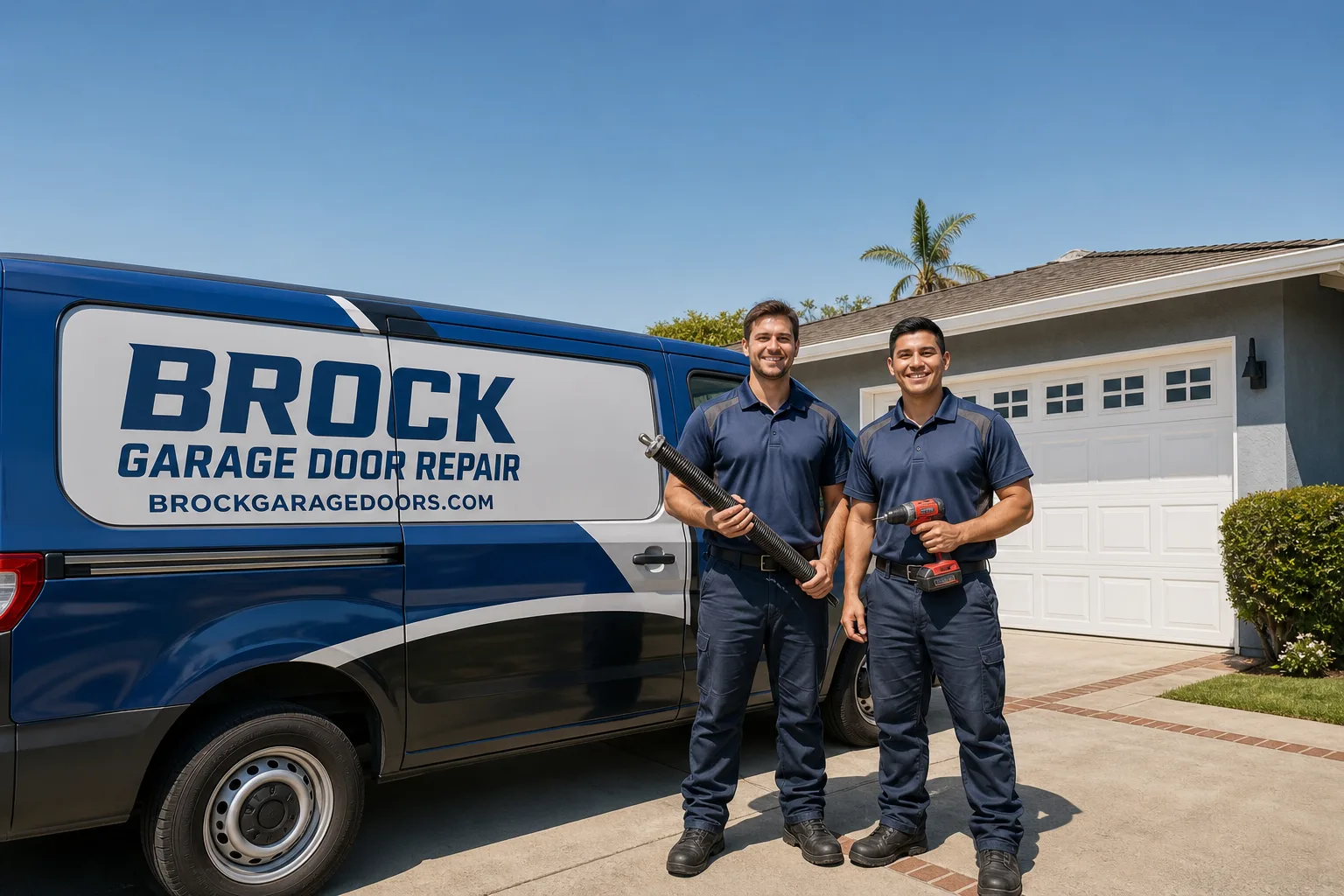
Full 25-point door and opener safety check with every visit - springs, cables, rollers, tracks, and your LiftMaster or Chamberlain opener included
You get a price before we start. It does not change when the truck arrives.
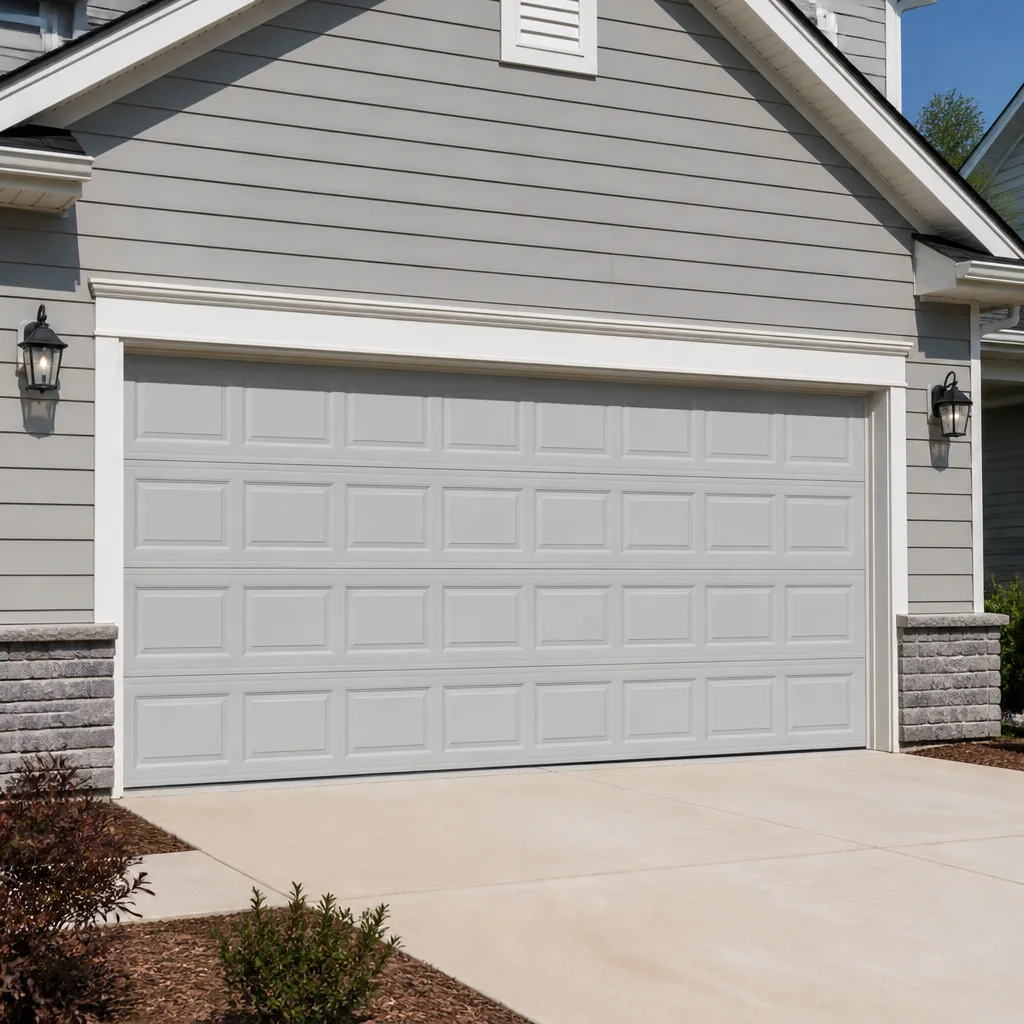
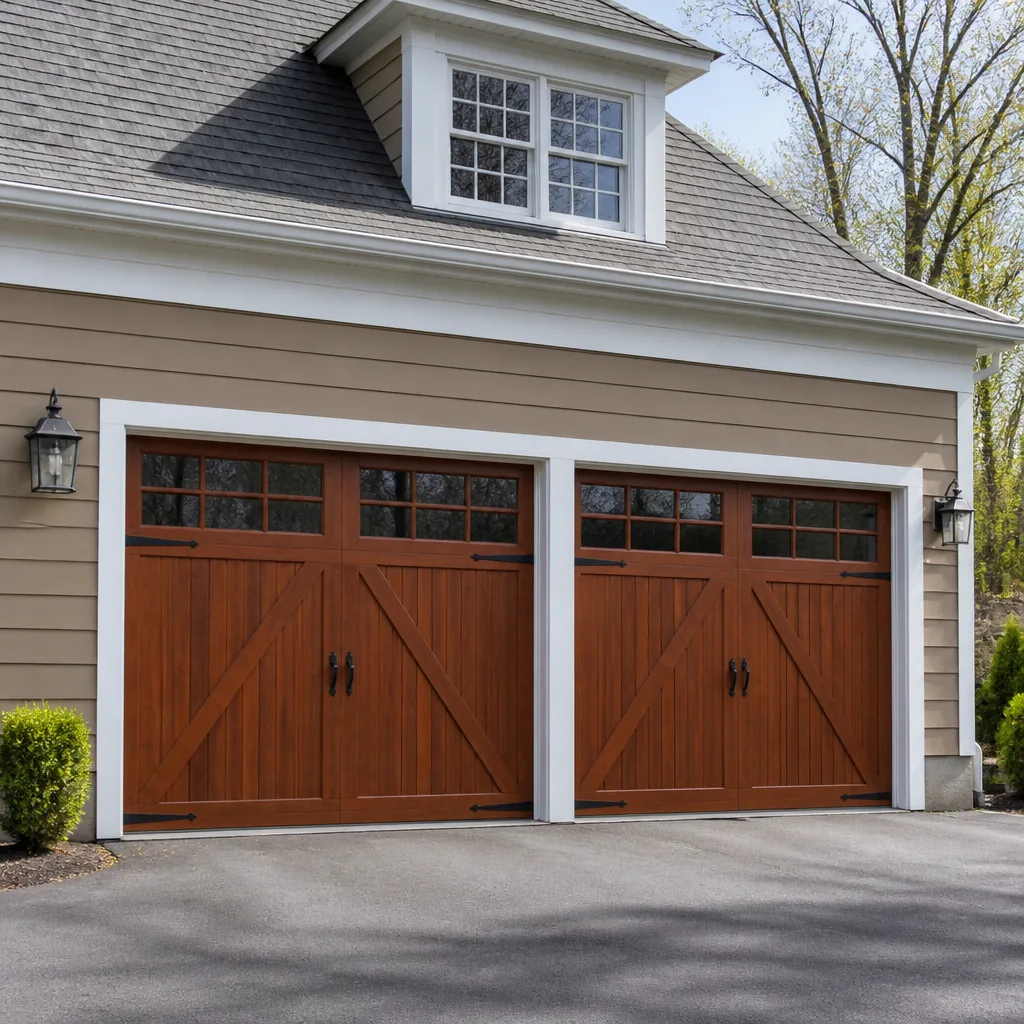
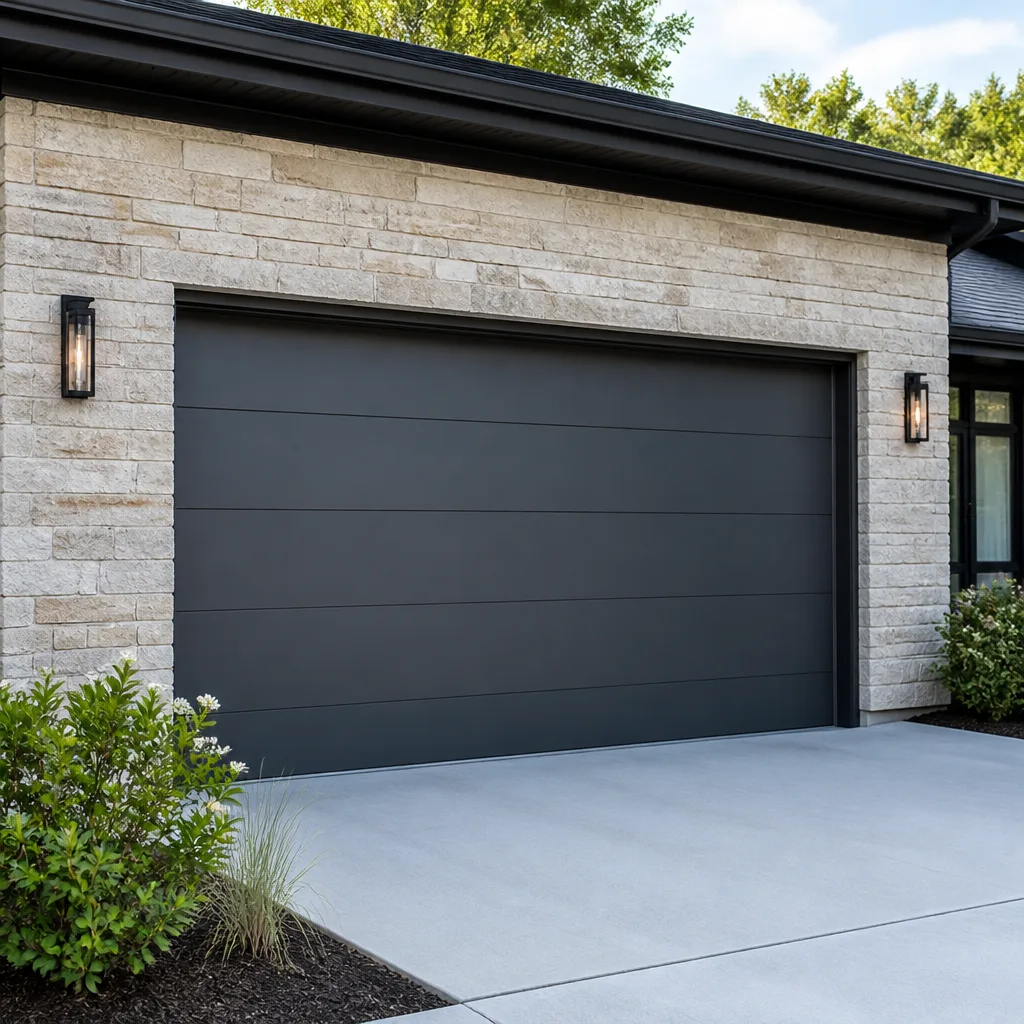
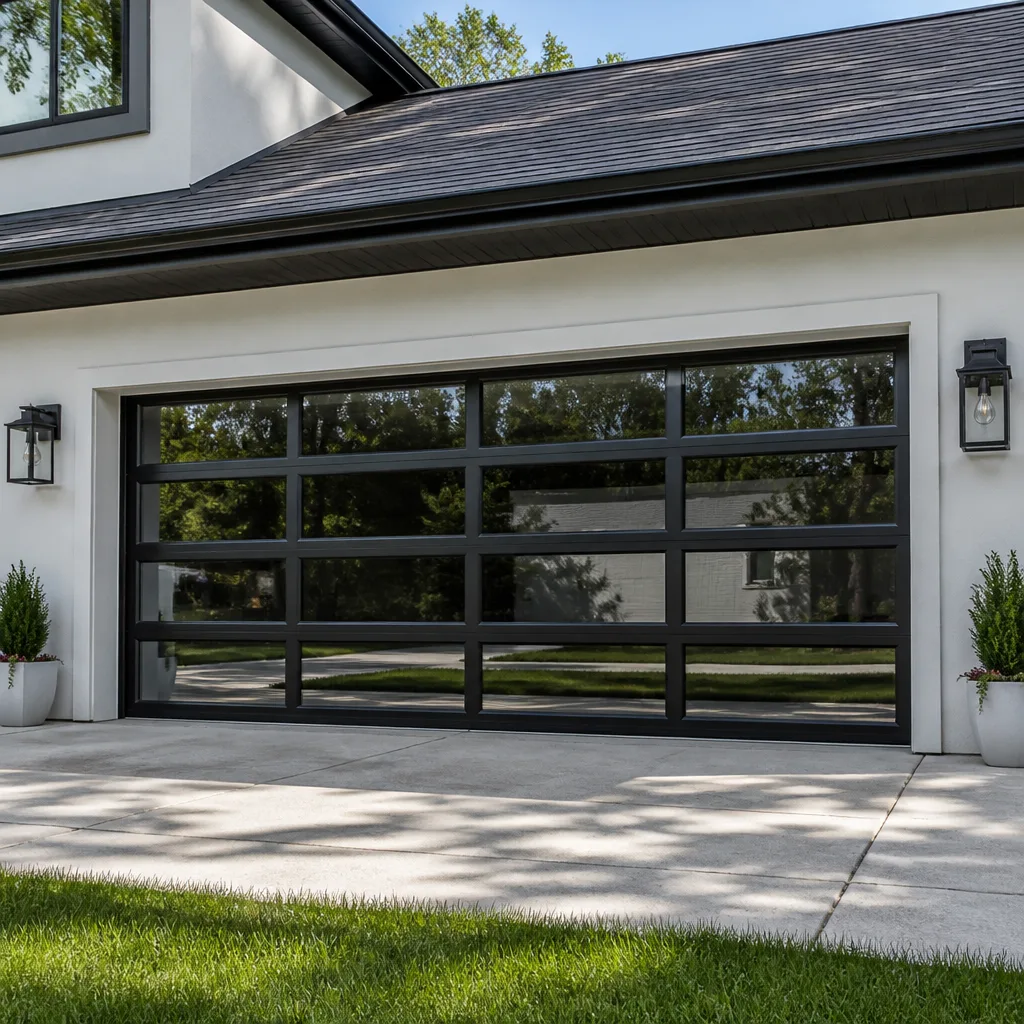
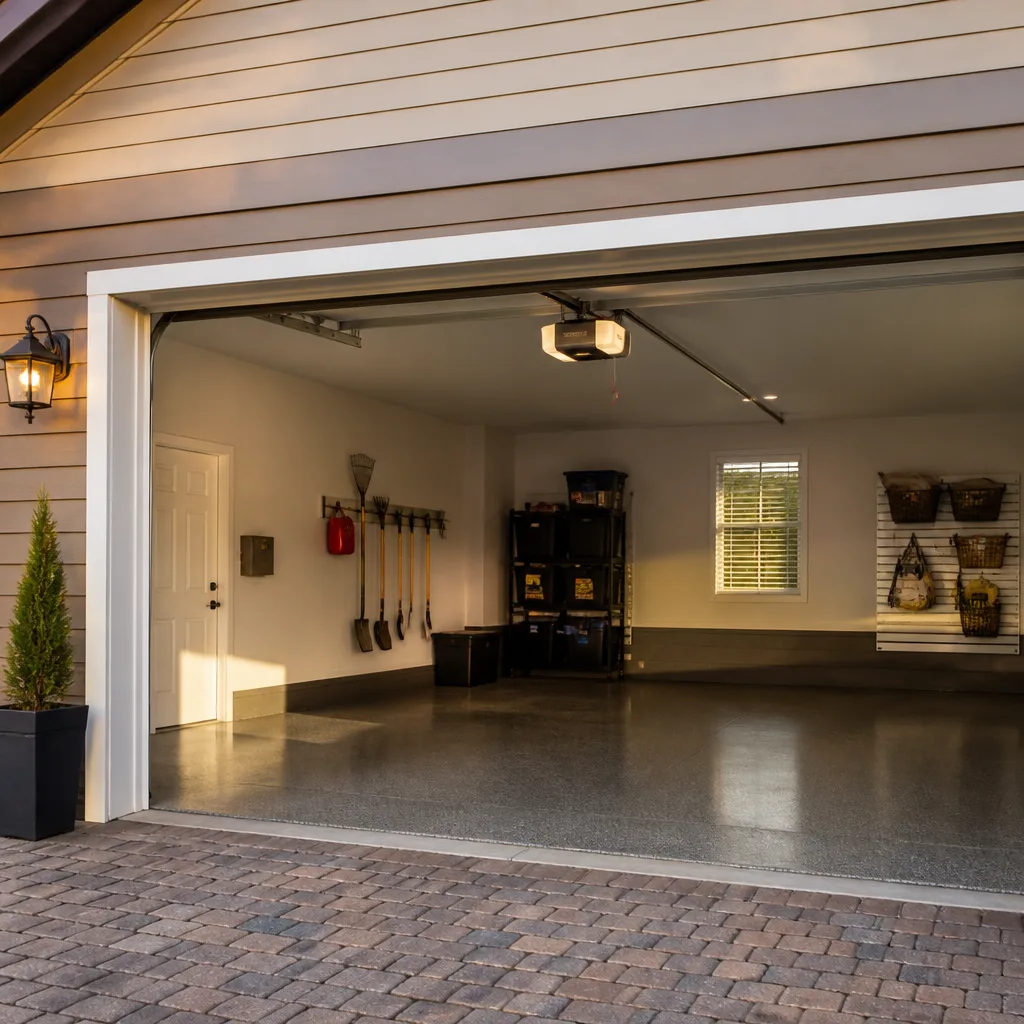
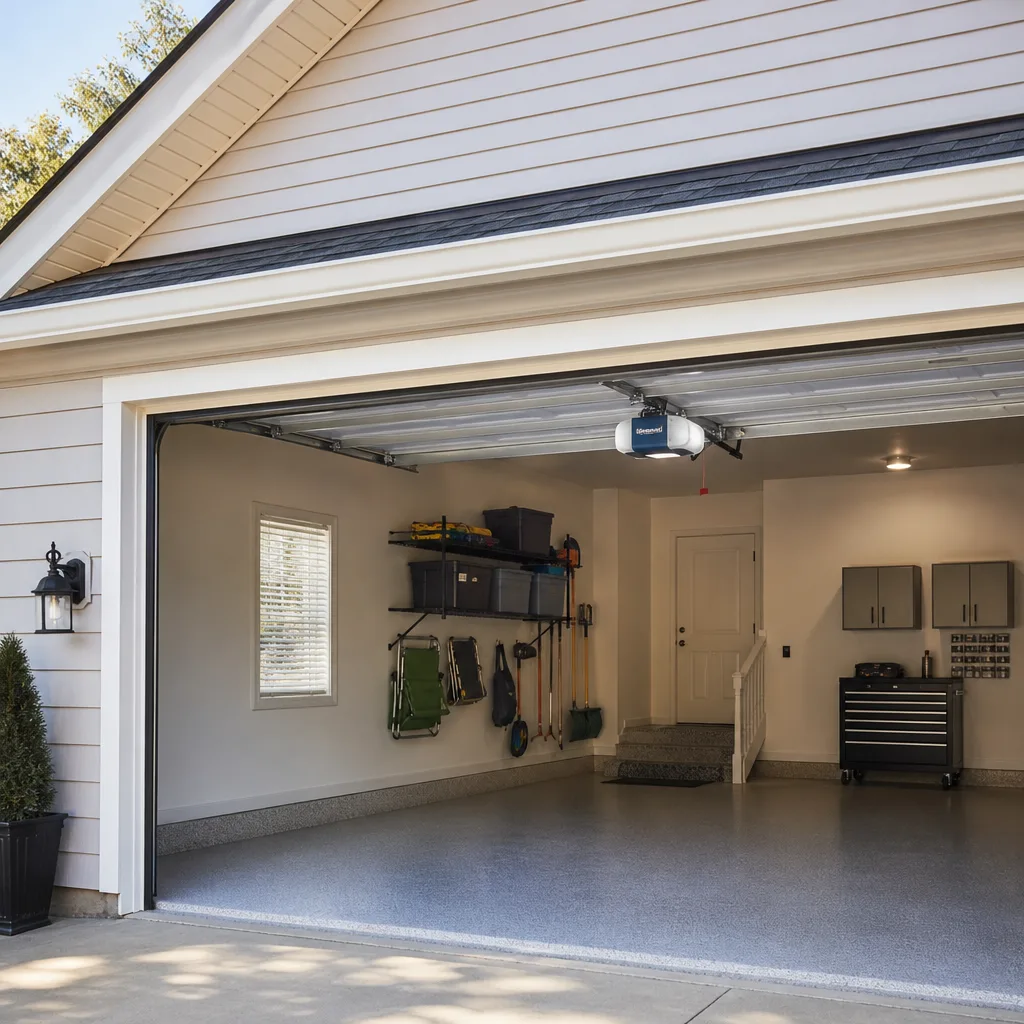
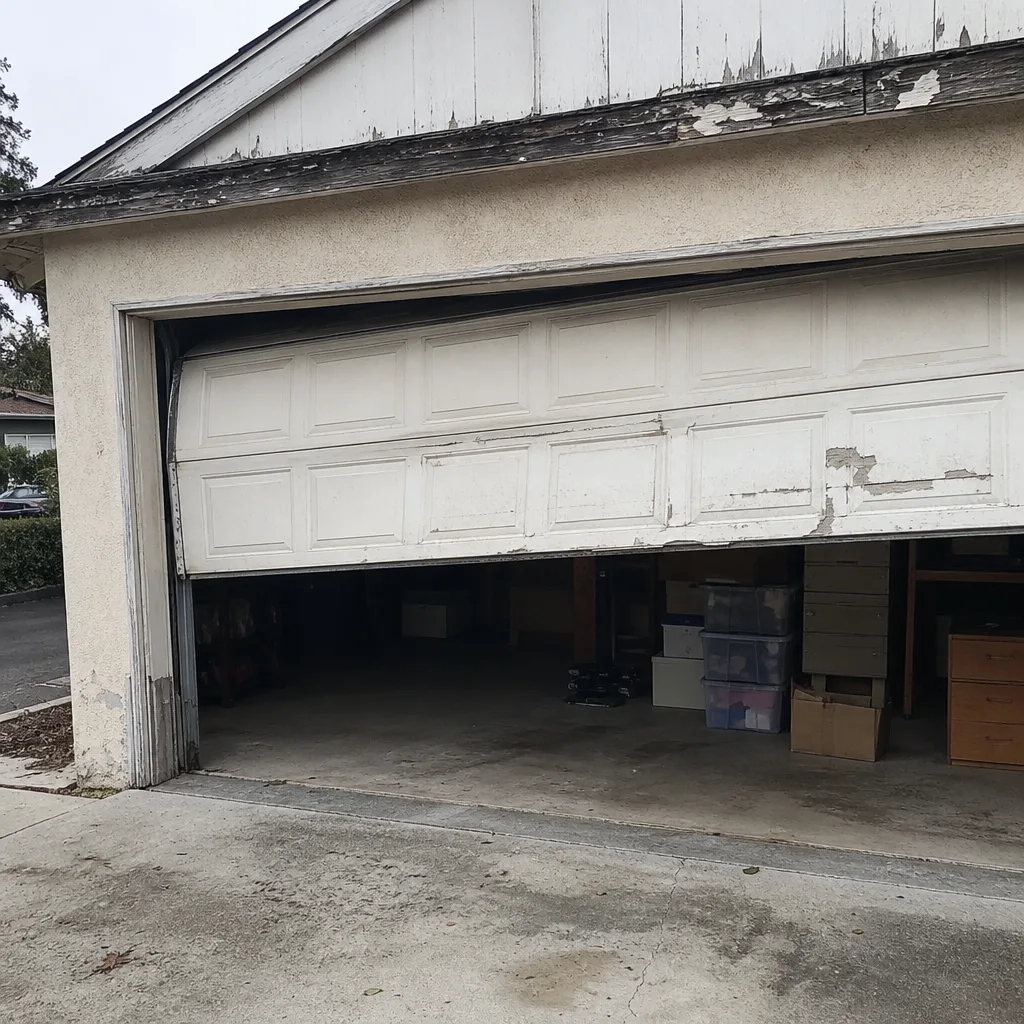 Before
 After
After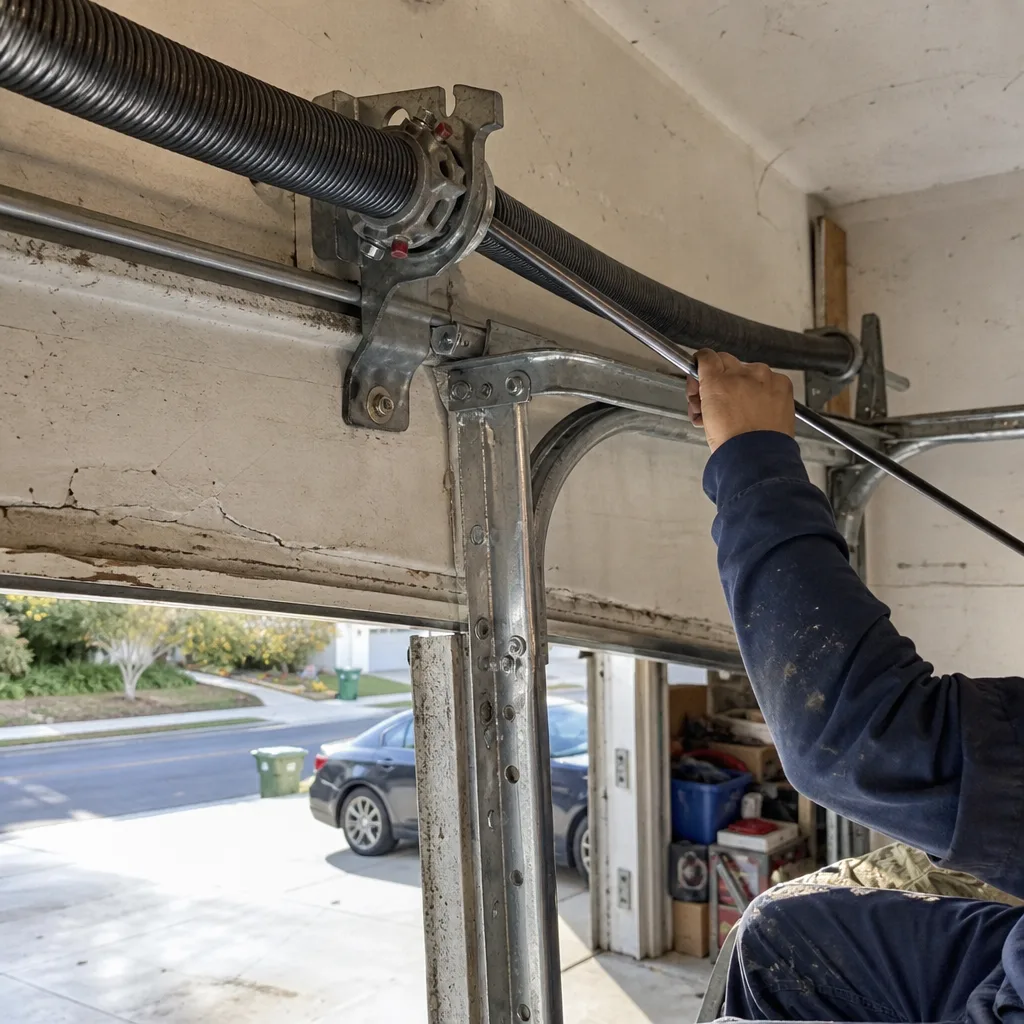 Before
 After
After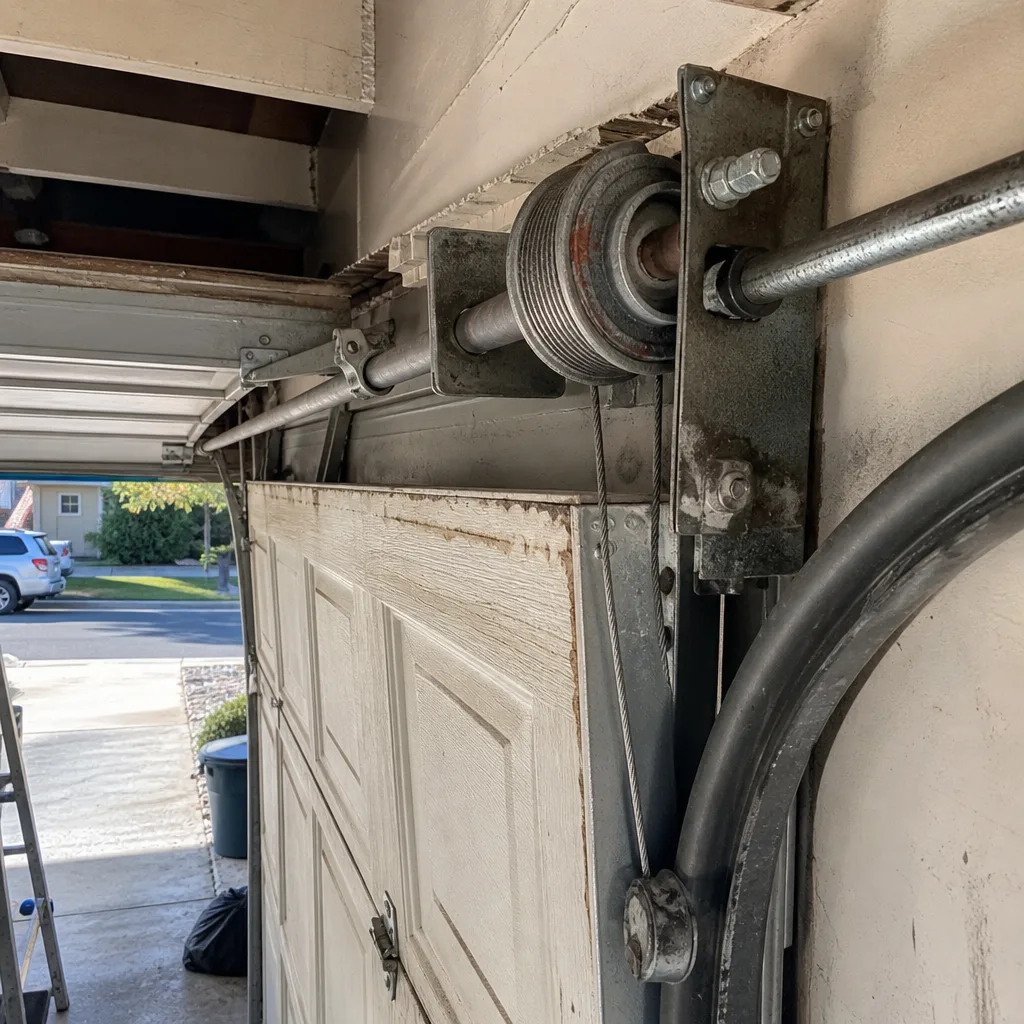 Before
 After
AfterGarage Door Won’t Open
A garage door that won’t open is almost always caused by one of four things: a broken torsion spring, a snapped or slack cable, a failed opener, or a safety sensor that’s been knocked out of alignment. Most of these are same-day repairs. The fix depends on what you can see and hear before anyone touches anything.
Standing in front of a door that won’t move is frustrating, especially when you’re trying to get somewhere. The good news is that each cause leaves a different clue, and once you know which clue you’re looking at, the repair path is straightforward. Walk through the section below before you do anything else – it’ll narrow it down fast, and it’ll tell you which things are safe to check yourself and which ones aren’t.
Why It Happens
Broken Torsion Spring
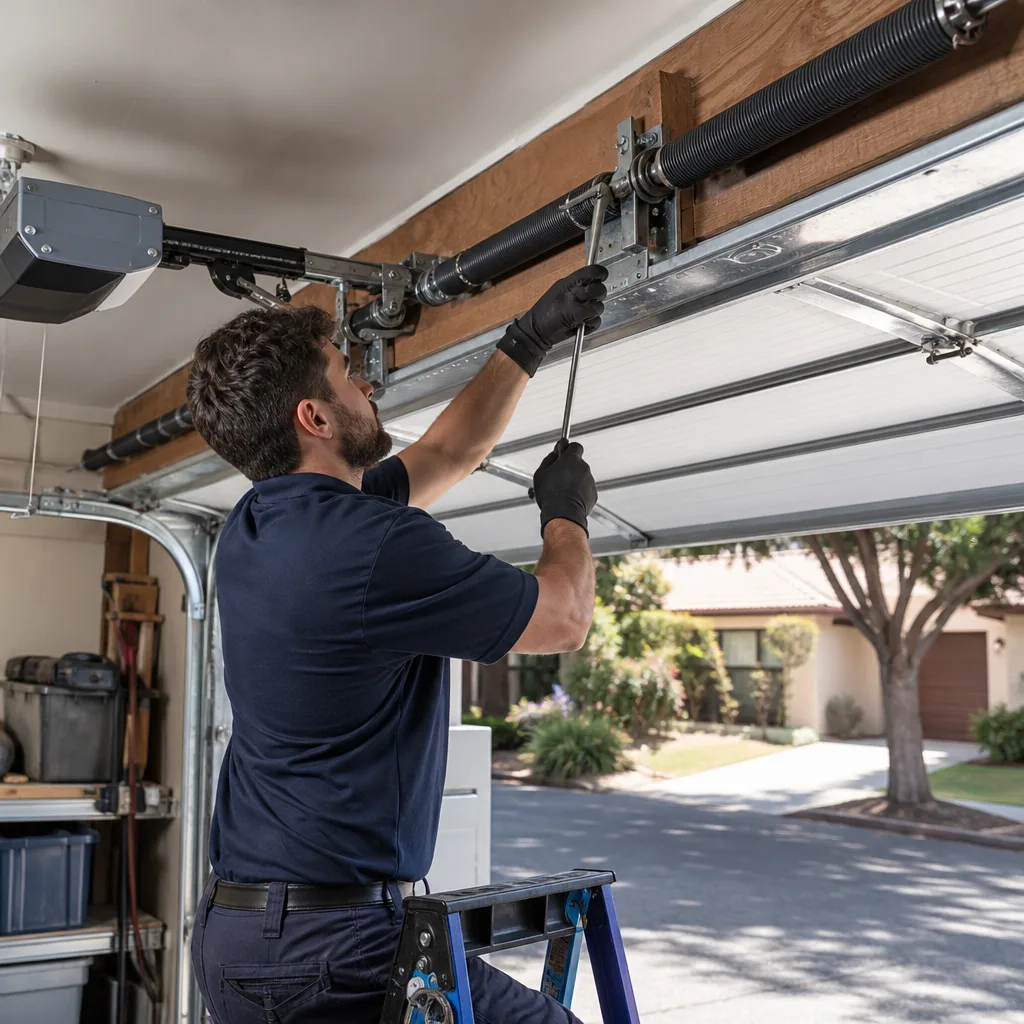
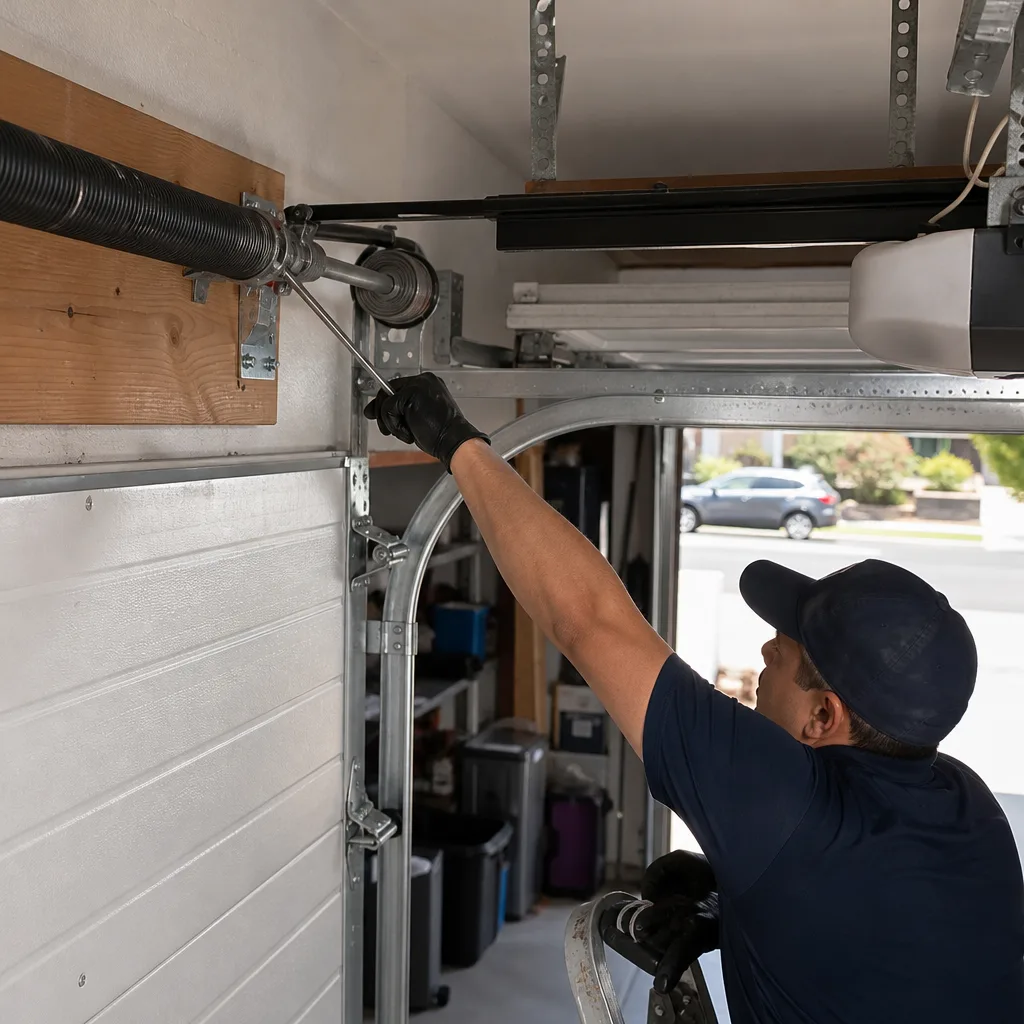
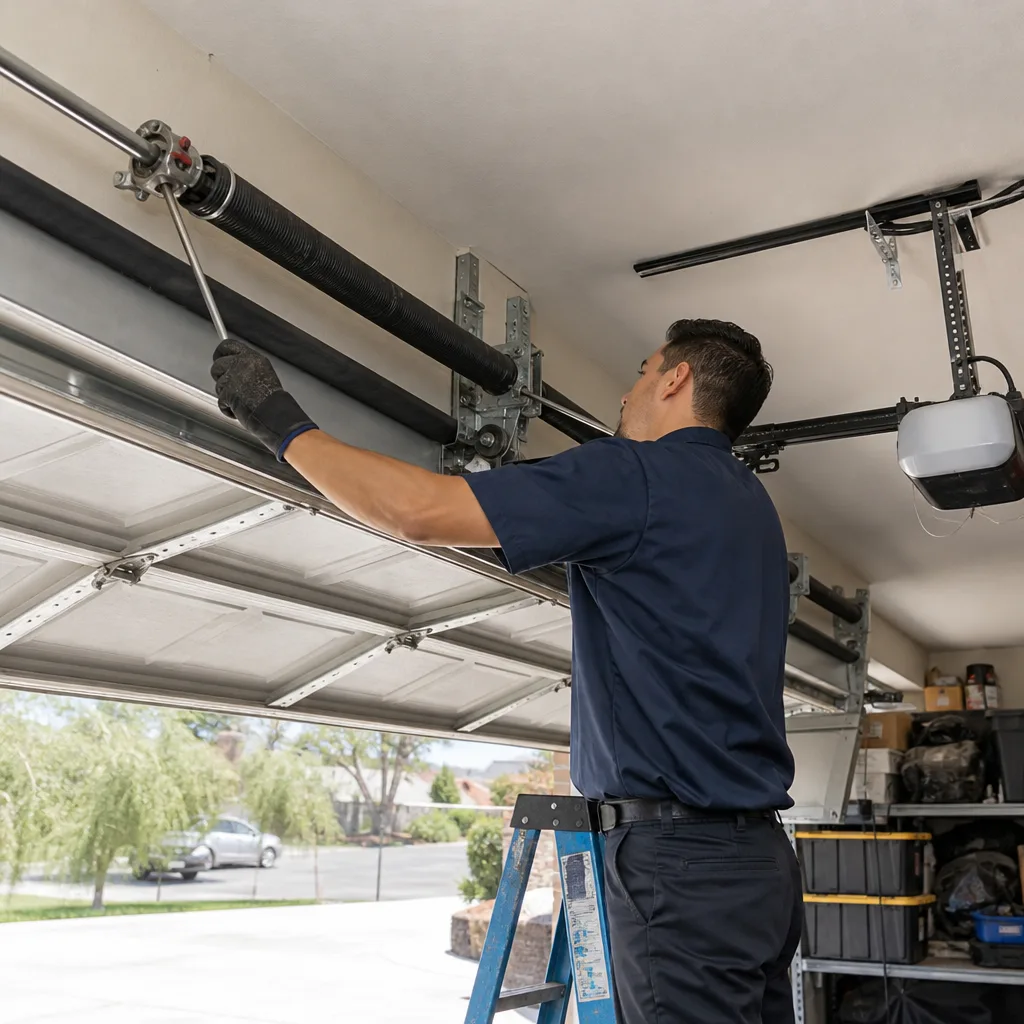
Torsion springs sit on a metal shaft directly above your garage door, and they do the heavy lifting – literally. When one snaps, the opener motor can’t compensate for that weight and the door won’t budge, or it lifts a few inches and stops. You’ll usually know it’s the spring because you’ll hear a loud bang from inside the garage (sometimes loud enough to sound like a gunshot), and when you look above the door you’ll see a visible gap in the coil or a spring that’s hanging loose.
Safety note: Torsion springs are under extreme mechanical tension. Do not attempt to operate the door manually, touch the spring, or try to wind or remove it. A broken spring can cause serious injury. Call a technician.
Broken or Slack Cable
Lift cables run along both sides of the door and work with the springs to raise and lower it evenly. If a cable snaps or jumps off its drum, one side of the door drops lower than the other – you’ll see the door sitting crooked or tilted at an angle. Sometimes the door will open a few inches before binding hard on one side. Occasionally a cable just goes slack without snapping, which looks like a loose, looping wire near the bottom corner of the door.
Safety note: Cables are under significant tension and are directly tied to the spring system. Don’t try to rethread or tighten a cable yourself. Stop using the door and call.
Opener Failure
If the door is silent when you press the remote or wall button – no motor hum, no clicking, nothing – the opener itself may have failed. Before assuming the worst, check whether the unit is plugged in and whether the outlet has power (plug in a phone charger to test it). If power is confirmed and the unit still doesn’t respond, the motor board or logic board inside the opener has likely given out. You might also hear the motor running but the door not moving, which points to a stripped gear inside the opener rather than the door hardware.
Safety Sensor Misalignment or Obstruction
Every modern garage door opener has two safety sensors mounted near the floor on either side of the door opening. They send an invisible beam across the gap, and if anything interrupts that beam – a leaf, a garden tool, a spider web, or just a sensor that got bumped out of alignment – the opener refuses to close the door (and in some cases won’t open it either). Look at both sensors: most have a small LED indicator. If one is blinking or off entirely, that’s your culprit. A solid light on both means the sensors aren’t the issue.
What to Do Right Now
- Stop pressing the button. If the door is binding, tilted, or straining against a broken spring, forcing the opener to keep trying can damage the opener motor, strip the gear, or pull a cable off its drum. One attempt is enough to confirm the problem. Don’t keep cycling it.
- Check the sensors first if the door won’t respond at all. Look for the two small units mounted near the floor on each side of the door opening. Clear any visible debris between them and see if the LED lights are both solid. If they are, the sensors aren’t the cause.
- Look above the door at the torsion spring – the horizontal coil on the metal shaft. If you can see a gap in the coil or a section hanging loose, you have a broken spring. Note it, step back, and do not touch it or try to use the emergency release cord to operate the door manually. A door with a broken spring can drop without warning.
- Check the opener’s power. Make sure the unit is plugged in and the circuit hasn’t tripped. This takes 30 seconds and rules out the simplest fix before anyone makes a service call.
- Take a photo of what you see – the spring, the cables, the sensor lights, the opener unit. Your technician will ask about what you observed, and a photo saves time and helps confirm the right parts are on the truck.
How We Fix It
When your local Brock Garage Door Repair technician arrives, the first thing they do is a full door inspection – springs, cables, drums, rollers, tracks, and the opener – before any work starts. That inspection is what produces your written estimate. The price is handed to you before anything is touched, and it doesn’t change once work begins. That’s not a policy we bend on.
For a broken spring, the technician removes the failed spring and installs a replacement matched to your door’s weight and size. For a cable repair, both cables are typically replaced at the same time – cables wear together, and replacing only the one that snapped leaves the other one close behind. If the opener has failed, the technician diagnoses whether it’s the logic board, the gear set, or the full unit, and walks you through the options before any parts are ordered or installed.
Most repairs are completed in a single visit, usually under two hours. All work is covered by our 365-Day Done Right Promise: if the repair fails within a year, we come back and make it right at no charge. That’s in writing on every job.
The services that resolve this symptom are Garage Door Repair and Garage Door Cable Repair, depending on what the inspection finds.
Frequently Asked Questions
It depends on the cause, but a broken spring or a cable off its drum is a situation worth treating as urgent. A door under uneven tension can drop suddenly if someone tries to operate it manually or if a second component gives way. Don’t use the door until a technician has looked at it. Call (254) 602-5116 and your local Brock team will get someone out to assess it.
Your local Brock Garage Door Repair team handles same-day repair calls – call (254) 602-5116 and a live person will answer, any hour of the day or night, including weekends. There’s no voicemail tree and no callback queue. Tell us what you’re seeing and we’ll get a technician scheduled.
No. The written price is given to you after the inspection and before any work starts. The number on the invoice matches the number you approved – that’s how every Brock job works, every time. If the scope of the repair changes because something additional is found, that’s a conversation before it becomes a charge, never after.
If the spring is broken or a cable has snapped, pulling the emergency release cord and trying to lift the door manually is genuinely risky. Without a working spring, the door has no counterbalance – it’s full dead weight, and it can drop fast. Leave the cord alone, leave the door where it is, and call (254) 602-5116. For most other causes, your technician will walk you through what’s safe when they arrive.
Get It Fixed
Call (254) 602-5116 – a live person answers day or night, including weekends and holidays. Your local Brock Garage Door Repair team will schedule a visit, inspect the door, and give you a written price before any work starts. Same-day service is available for repairs.
Written by Wade Mercer, Owner & Technician at Brock Garage Door Repair, operating under the Garrison Partners network since 2001.
What Our Customers Say
"Disciplined and polite. He did a full checklist on the door before leaving, even things I hadn't called about."
- Melody B."My husband served and he loved talking with the tech. The man did a careful, honest job on our springs."
- Doris P."Door stuck open with a snapped cable. Tech was squared away, explained what happened, and fixed it in under an hour. Price was what he said it would be."
- Cynthia M.