
Last updated October 9, 2026
Full 25-point door and opener safety check with every visit - springs, cables, rollers, tracks, and your LiftMaster or Chamberlain opener included
You get a price before we start. It does not change when the truck arrives.
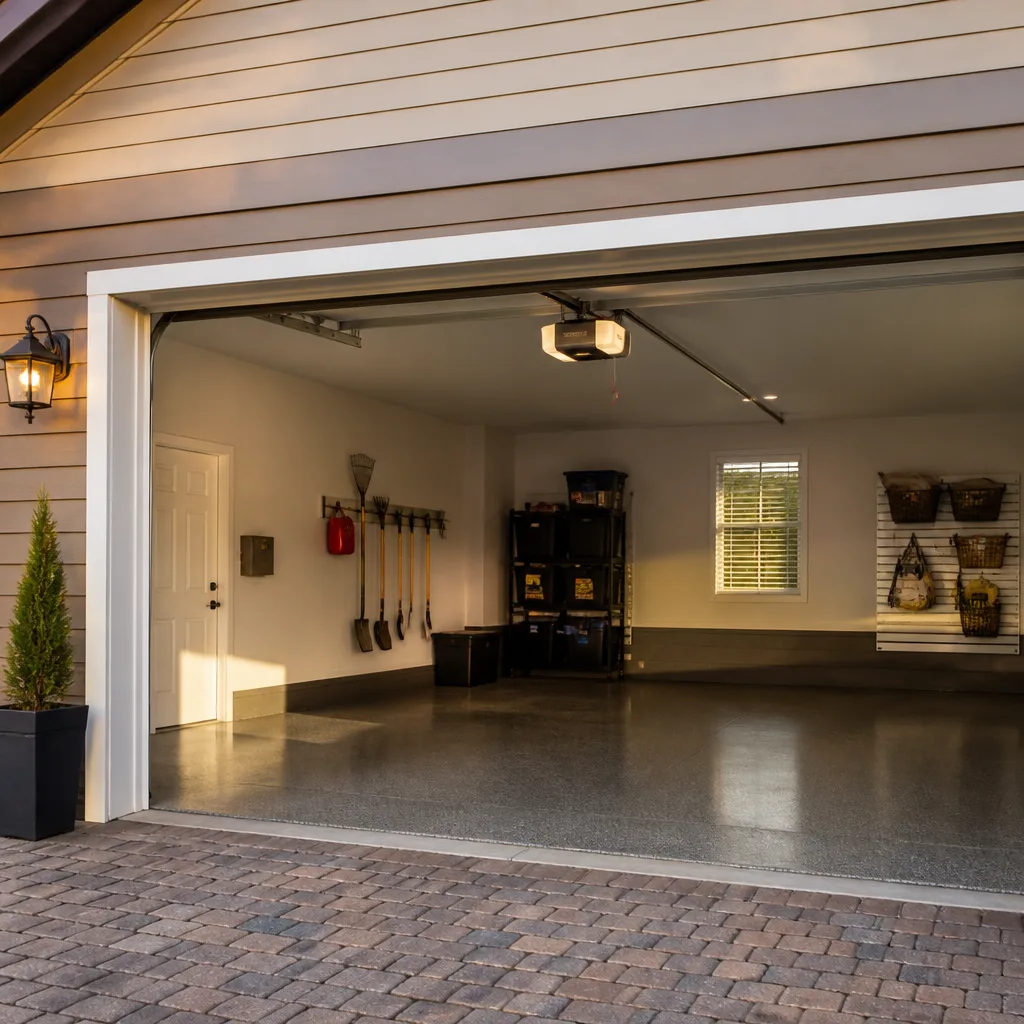
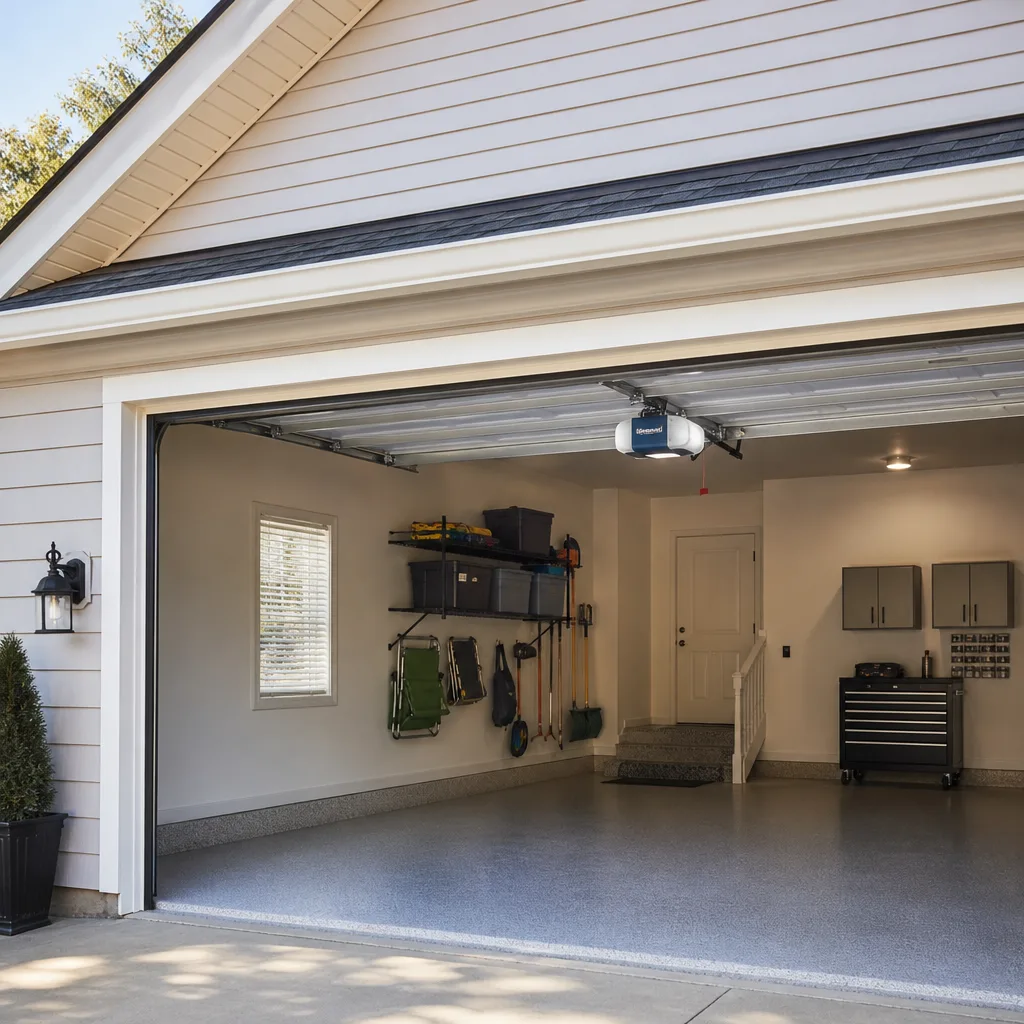
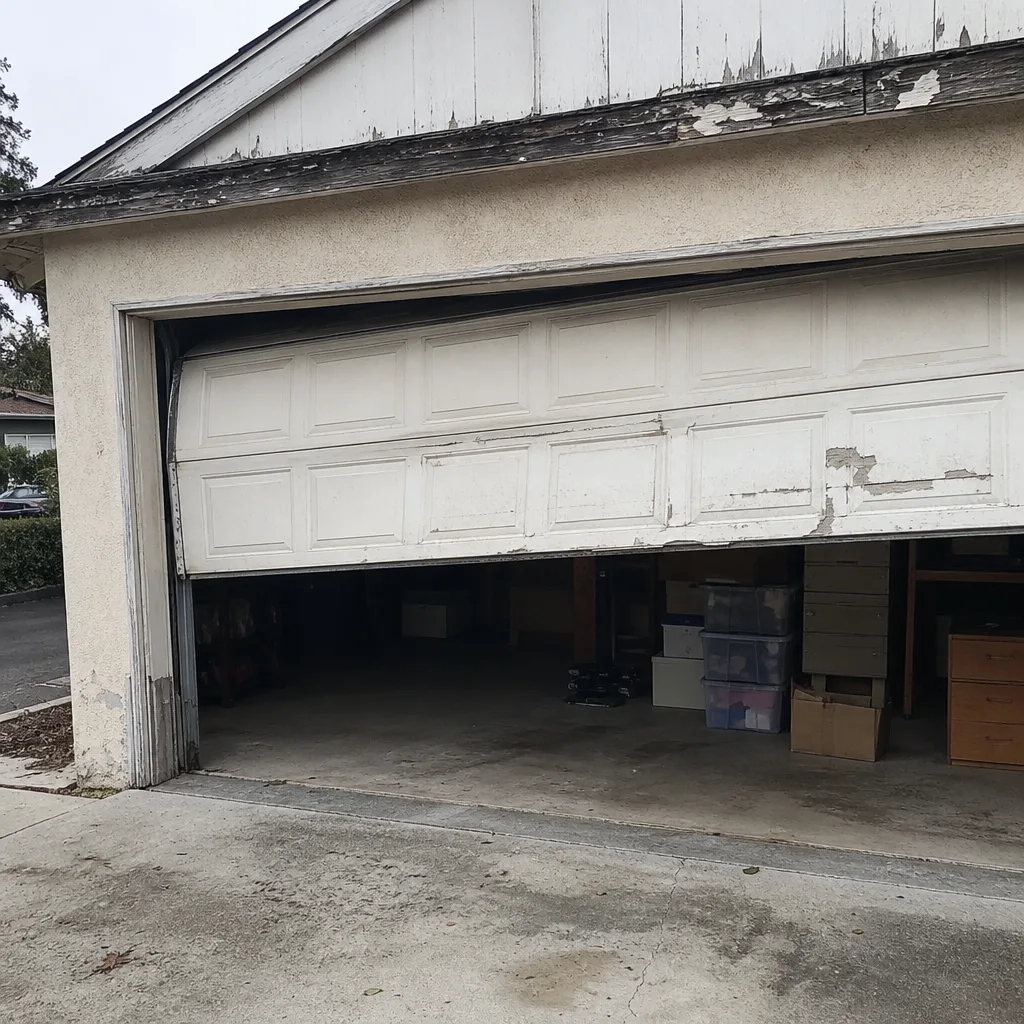 Before
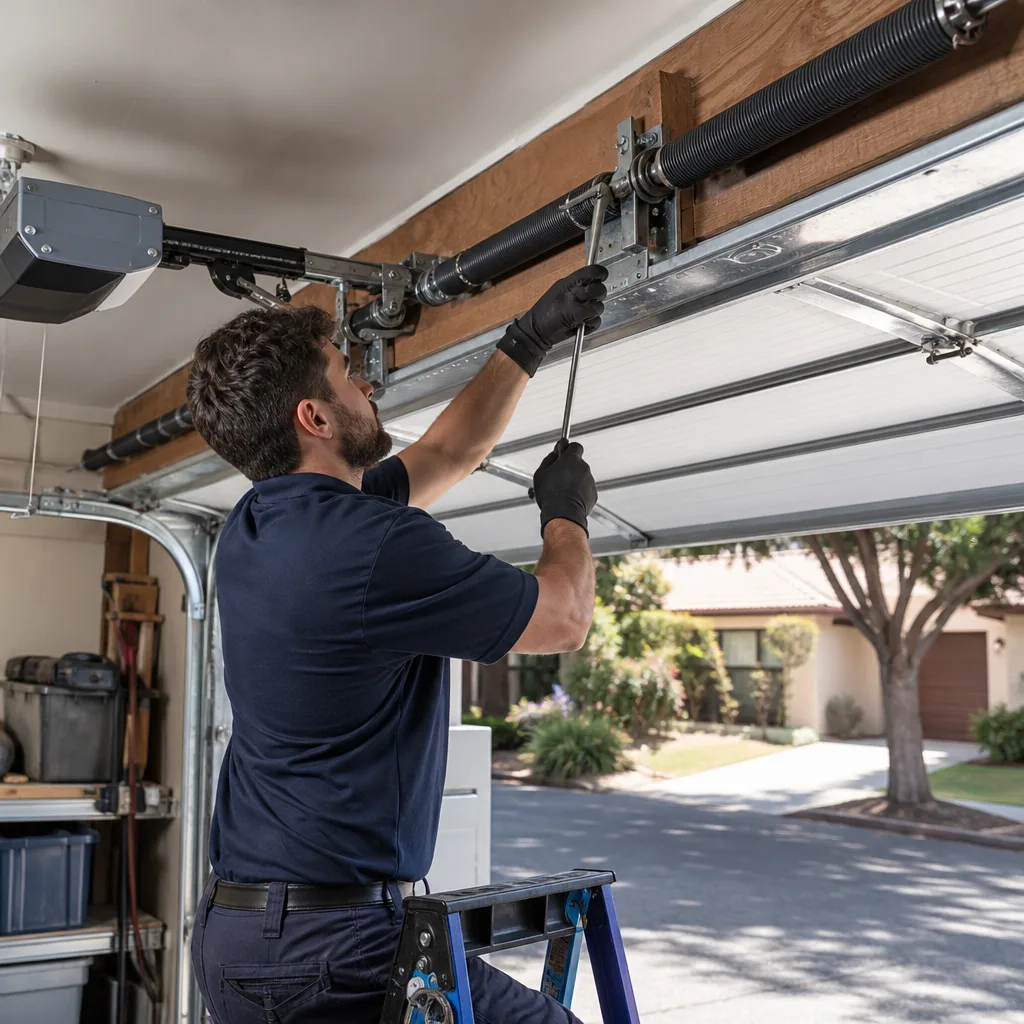 After
After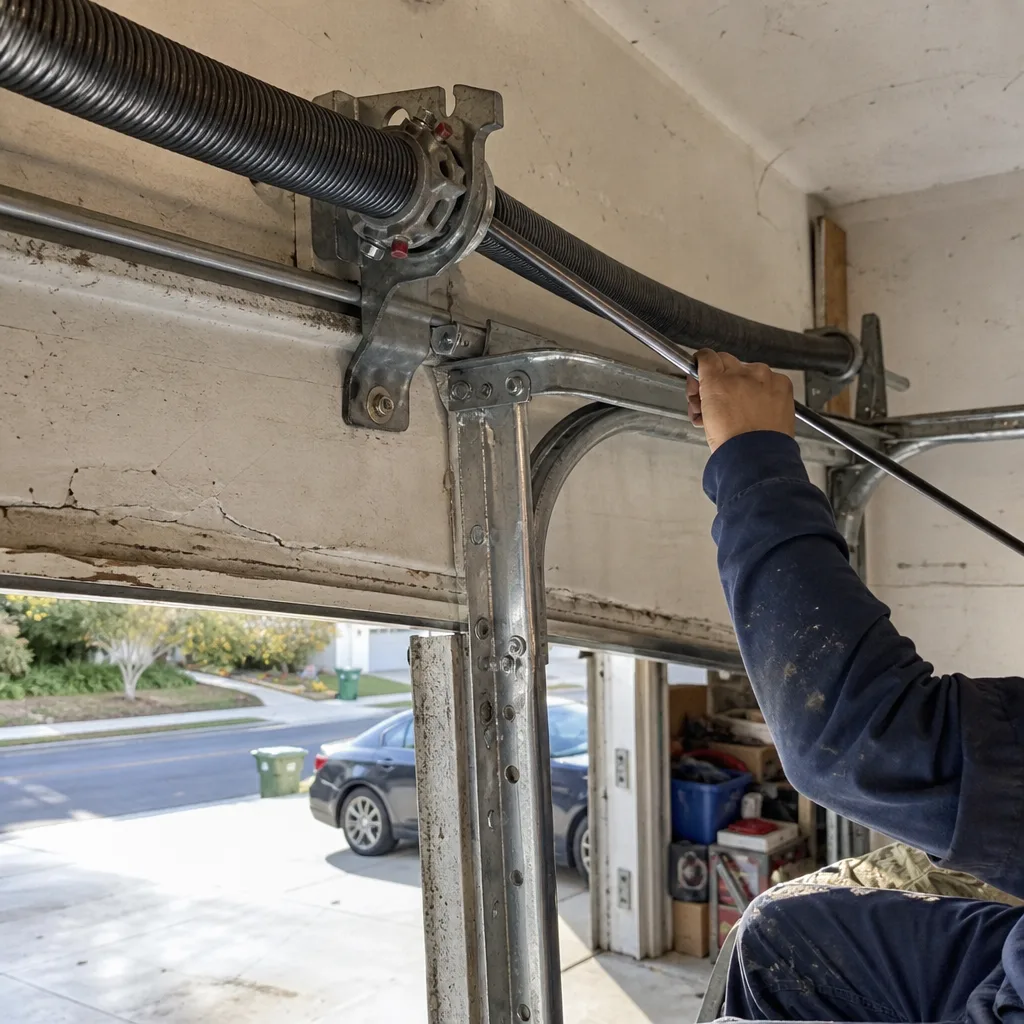 Before
 After
After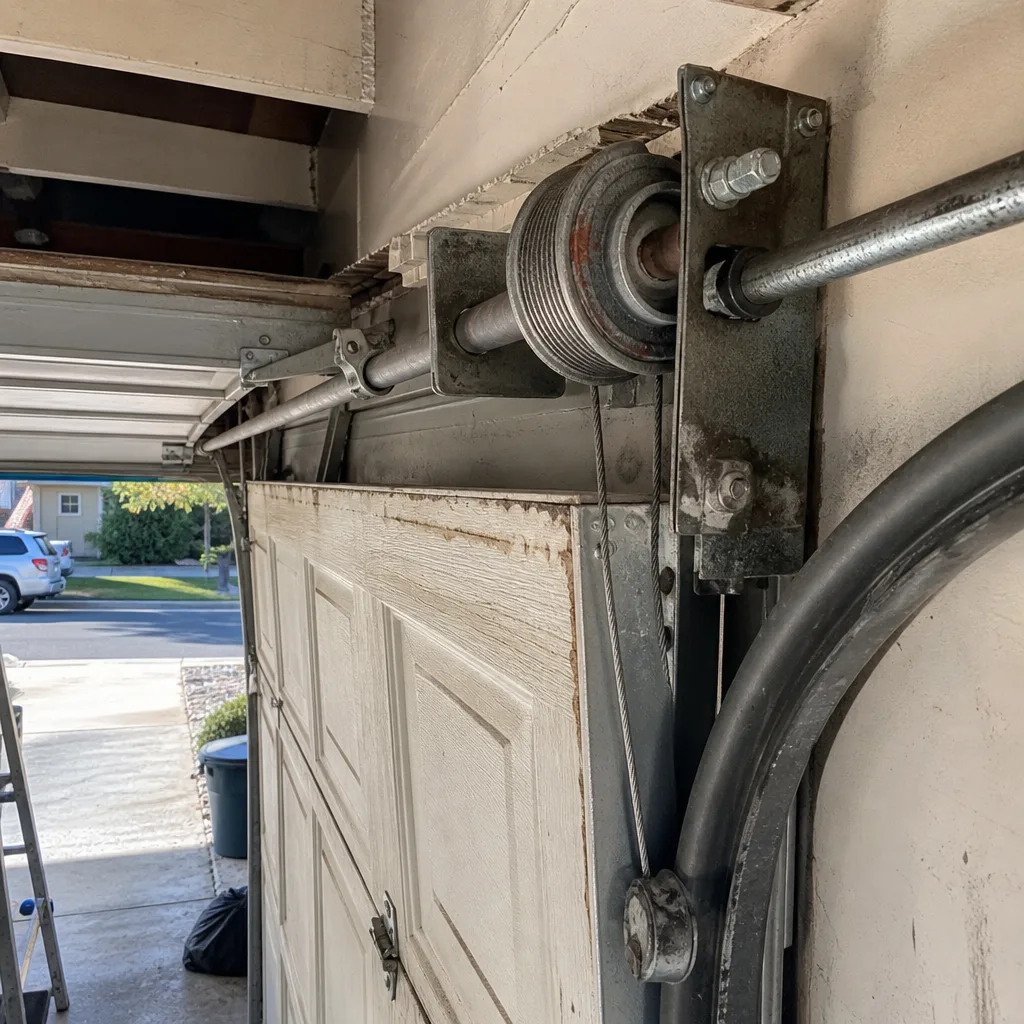 Before
 After
AfterGarage Door Cable Repair Warning Signs Every Homeowner Should Know
The door that drops two inches faster than it should at the bottom of travel isn’t a spring problem or an opener problem. It’s a cable that’s lost tension, and it’s telling you that weeks before it snaps. In Los Angeles, where garage doors cycle hundreds of times a month between commutes, school runs, and weekend projects, cables wear faster than most homeowners realize. This guide teaches you to read your door’s behavior and hardware as a system, not a collection of isolated symptoms, so you catch cable failure while it’s still a $175 repair instead of a $900 emergency.
Quick Answer
The most common garage door cable repair warning signs are frayed strands visible near the bottom bracket or cable drum, a door that sits visibly lower on one side, uneven travel speed between sides, a loud pop during operation, and a cable that hangs loose or has slipped off the drum. Any of these means the cable has already started to fail. If you see them, stop using the door and call a professional, because a snapped cable under torsion-spring tension can cause serious injury.
Table of Contents
- Visible Warning Signs You Can Spot Without Tools
- Behavioral Signs: What the Door’s Movement Tells You
- Safe Inspection Points Every Homeowner Should Know
- Signs That Look Like Cable Problems But Aren’t
- Emergency Signs: Do Not Operate the Door
- What Garage Door Cable Repair Costs in Los Angeles
- How to Extend the Life of Your Garage Door Cables
Visible Warning Signs You Can Spot Without Tools
Most cable failures announce themselves visually long before the cable actually breaks. The problem is that the signs appear in places homeowners rarely look: beneath the door, at the edges, and above the door where the cable winds onto the drum. Here’s what to look for.
Frayed strands near the bottom bracket. The bottom bracket sits at the lower corner of each door panel, where the cable attaches to the door itself. Over time, the constant pull and release of each cycle creates micro-fraying at the attachment point. From the driveway, with the door closed, look at the bottom corner on each side. If you see what looks like a fuzzy edge on the cable, or individual wire strands poking outward like a frayed shoelace, that cable is in the final stage of its life. On LiftMaster and Chamberlain installations in particular, we see this pattern show up around the 7 to 10 year mark in Los Angeles homes, accelerated by coastal moisture if you’re within a few miles of the ocean.
Kinking or birdcaging along the cable run. A healthy cable runs in a straight, taut line from the bottom bracket up along the door track to the drum. When a cable has been stressed by a door that’s out of balance, it can develop a permanent kink, or worse, a “birdcage” where the individual strands separate and bulge outward. Run your eyes along the full length of each cable. Any deviation from a clean straight line is a failure in progress.
Slipped cable at the drum. Stand inside the garage and look up at the torsion bar above the closed door. On each end, the cable should wrap neatly into the grooves of the cable drum in tight, even coils. If the cable looks loose between the drum and the wall, if it’s overlapped on itself, or if it has slipped out of the drum’s groove entirely and is sitting against the shaft or the drum flange, that’s a slipped cable. This is not something to fix by hand. A cable that has slipped means the tension balance between the two sides is gone, and the door is now operating on one cable and a lot of misplaced hope.
Corrosion or rust on the cable surface. Garage door cables are galvanized steel, but nothing lasts forever, especially in Los Angeles where marine-layer humidity works on exposed metal year-round in neighborhoods like Playa del Rey, Venice, and San Pedro. Surface rust that you can wipe off is cosmetic. Rust that has pitted the cable or turned sections of it dark brown to black means the steel’s cross-section is reduced, and the cable’s breaking strength is no longer what the manufacturer rated. On a Raynor or Clopay door with original cables older than ten years, this is a common pre-failure condition we find during inspections.
Behavioral Signs: What the Door’s Movement Tells You
The door talks to you every time it opens and closes. Most people tune it out. Here’s what the movement is actually saying.
The door drops fast at the bottom of travel. Watch your door close. In the last six inches of travel, it should settle gently onto the ground. If it drops that last stretch in a hurry, particularly on one side, the cable on that side has lost tension. This happens when a cable has stretched, when the drum has loosened, or when the cable has slipped a groove or two on the drum. That fast drop is the cable releasing stored tension at the wrong moment, and it will get worse.
Uneven travel from side to side. Stand at the driveway, centered on the door, and open it halfway. Look at the bottom edge of the door. It should be level with the ground. If one side is an inch lower than the other at mid-travel, one cable is doing more work than the other. That imbalance means the low side’s cable is either stretched, frayed, or slipping. Imbalance also forces the guide rollers into the track at an angle, which accelerates wear on roller bearings and track brackets, turning a cable problem into a track problem if left alone.
The opener strains or hesitates. A garage door opener is not designed to muscle a heavy door up by itself. The springs and cables do the lifting work, and the opener just guides the process. When a cable loses tension, the door’s weight shifts unevenly, and the opener motor has to work harder. That sounds like a change in the motor’s pitch, a hesitation mid-travel, or visible flexing in the opener rail. If your opener sounds labored, the problem may not be the opener at all. On Craftsman and Genie openers especially, which have been installed in Los Angeles homes for decades, we see the motor get blamed for what is actually a cable and balance issue.
A gap visible from outside at one corner. With the door closed, walk outside and look at the seam where the bottom of the door meets the driveway or threshold. If light or daylight shows through under one corner but not the other, the door is not seating evenly. That gap is almost always a cable tension issue on the low side. It also means you’re losing climate control from the garage, and in Los Angeles summer heat, that’s not a small comfort issue.
Safe Inspection Points Every Homeowner Should Know
Cables operate under the tension of the torsion spring system. The spring, the cables, the drums, and the bottom brackets are all in what we call the spring-tension zone, and that zone is dangerous. Here’s what you can inspect safely, and what to leave alone.
- Disconnect the opener. Pull the red emergency release handle and let the door rest in the closed position. This removes the opener from the equation and lets you observe the door’s own weight and balance. If the door is closed, the spring tension is at its lowest point of the cycle, which is the safest condition for observation. Do not disconnect the door itself from the cables or attempt to open the door manually if it is sitting unevenly.
- Stand clear and look at the cables from the sides. With the door closed and the opener disconnected, stand to the side of the door, never directly under it, and visually trace each cable from the bottom bracket up to the cable drum. You’re looking for the visible signs listed above: fraying, kinking, birdcaging, slack, or rust. A flashlight helps here, particularly in Los Angeles garages that double as storage and don’t have great overhead lighting.
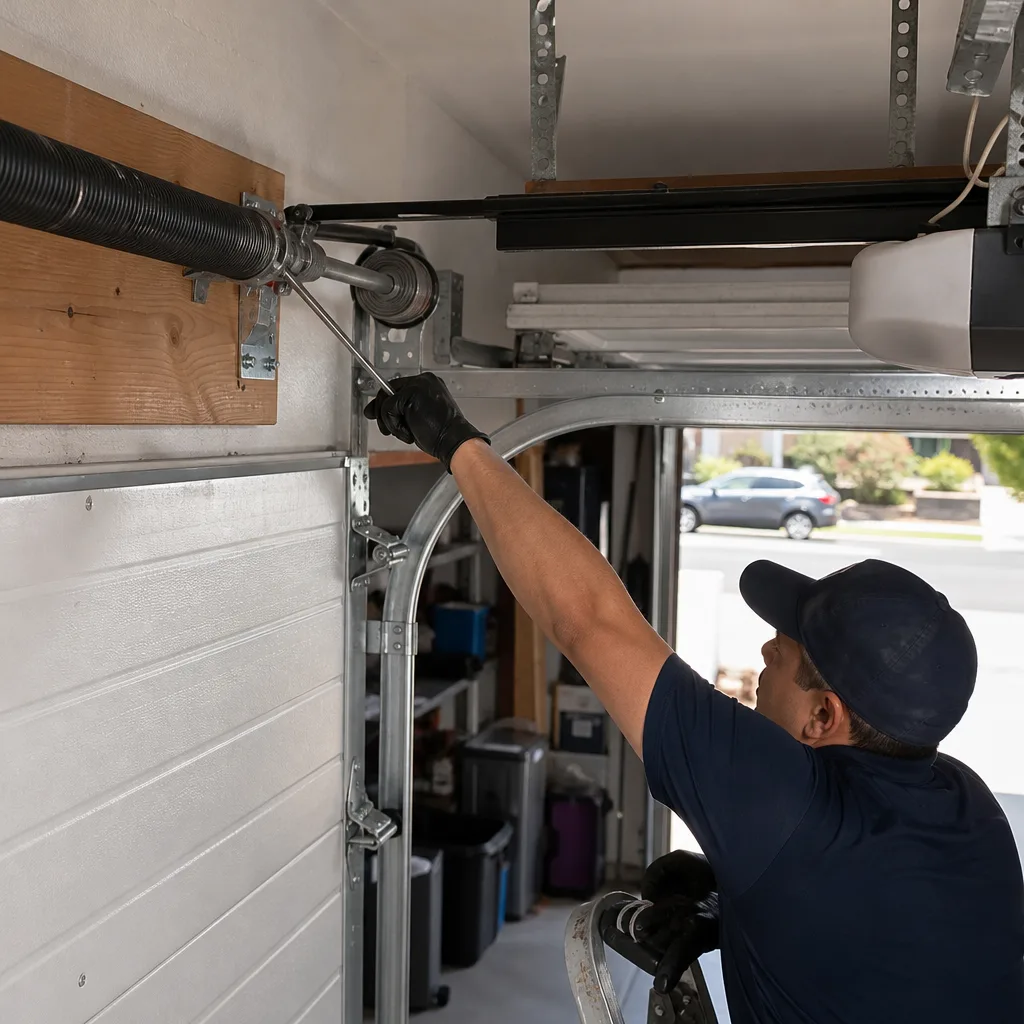
- Check the drums from a ladder, not from under the door. If you want to inspect the cable drums, place a step ladder to the side of the torsion bar, not under the door’s path. The drum at each end of the bar should show even, tight coils. If you see gaps between coils, overlapping wraps, or a cable that’s jumped the drum flange, note it and step away. Do not touch the drum, the cable, or anything mounted on that bar.
- Test the door’s balance without touching the cables. With the opener still disconnected, lift the door manually from the handles to the halfway point and let go. A balanced door stays at halfway. If it drops on one corner or drops overall, the spring and cable system is out of balance. Lower the door gently and leave it closed. That hesitation at halfway is your sign to call someone who works with springs and cables professionally.
- Photograph what you see. If you’re not sure whether the cable is fraying or just dirty, take pictures from a couple of angles with your phone. Send them when you call a professional. We do a lot of phone triage in Los Angeles, and a clear photo of a bottom bracket or a drum tells us in seconds whether you need a tech that afternoon or can wait a few days.
One rule we repeat to every homeowner who calls Brock Garage Door Repair home about a cable concern: you never need to touch a cable, a drum, or a spring to inspect them safely. Looking costs nothing. Wrenching on a tensioned cable can cost you a hand.
Signs That Look Like Cable Problems But Aren’t
Not every garage door symptom points to the cables. Part of being a smart homeowner is knowing what’s likely cable-related and what’s a different system entirely. This matters because the fix for a track problem is not the same as the fix for a cable problem, and paying for the wrong repair doesn’t solve anything.
A noisy door that grinds or screeches. Noise usually means the track rollers, hinges, or opener chain need attention. Cables don’t make noise as they fail. If your door is loud but moves evenly, look at the rollers and the track first. Cables would show visual or behavioral signs alongside any noise complaint.
A door that reverses partway and goes back up. This is typically an opener force-setting issue or a safety-sensor problem, not a cable problem. The opener is detecting resistance and reversing. Cables generally don’t cause reversal cycles unless the door is hanging visibly uneven, which is a separate and obvious symptom.
A door that won’t open at all, with no visible cable problem. If both cables look intact and the door is sitting level but won’t move, the problem is more likely the opener motor, the logic board, or the springs, depending on how it behaves when you use the emergency release. A broken torsion spring makes a loud bang when it goes, while a dead opener is typically silent except for a click or hum.
One cable looks looser than the other at the bottom bracket. This one is subtle and worth understanding. On some Wayne Dalton and Amarr door designs, the bottom bracket geometry naturally produces a slight difference in cable appearance between the left and right sides at rest. The test is whether the door travels level and closes evenly. If it does, that visual difference may be normal for your door. If the door drops faster on that side or sits lower, it’s not.
Slow travel, even and smooth. A door that is consistently slow but level is usually an opener speed setting or a lubrication issue on the track, not a cable problem. Cables fail in ways that produce imbalance, fraying, or sudden events. Slow and smooth across the full travel arc is rarely cable-related.
If you’re in Los Angeles and you can’t tell whether the cable is the issue, take photos and get a professional eye on it. The Garage Door Cable Repair in Los Angeles page has more detail on what we look for during an inspection. The wrong diagnosis is always more expensive than the right one.
Emergency Signs: Do Not Operate the Door
Some cable conditions mean the door should not be moved until a professional has looked at it. These are not “keep an eye on it” situations. They are “leave the car outside and use the front door” situations.
A cable hanging loose from the bottom bracket or the drum. If you can see a cable hanging free, with slack in it, the door’s lifting system is operating on one cable or none. Moving the door in this condition can cause the remaining cable to fail suddenly, and the door can drop with its full weight. A falling sectional garage door in Los Angeles, where many garages sit below living space, is a risk to people and to the structure above it.
The door sitting visibly lower on one side. A one-inch difference at mid-travel is a warning. The door sitting crooked at rest, with a visible gap over one top corner or daylight under one bottom corner, is an emergency. Do not try to straighten it by lifting or shoving. That concentrated load on the remaining cable and the track hardware is exactly when things break.
A loud popping sound during operation, followed by a fast drop or a crooked stop. That pop is a cable slipping on the drum or a cable partially failing under load. The energy released in that moment can move through the torsion system unpredictably. The door may look fine afterward. It isn’t. A cable that has slipped once will slip again, and the second failure is usually worse.
You find a broken cable end in the track or on the floor. When a cable snaps, the broken end sometimes whips through the track channel and ends up on the garage floor or wedged in the track. If you find a section of galvanized steel cable on the ground near your door, stop using the door immediately. The other cable is now carrying the entire load and is operating outside its design.
In these situations, call a professional before you touch anything. A live person answers at Brock Garage Door Repair around the clock, including nights and weekends. The number is (254) 602-5116, and in Los Angeles we can usually have a background-checked, uniformed technician to most neighborhoods within a day.
What Garage Door Cable Repair Costs in Los Angeles
Most cable repairs in Los Angeles run between $150 and $275 per side, depending on cable type, drum condition, and whether the spring system needs to be rebalanced after the cable work. For a deeper look at pricing, see our Garage Door Cost Breakdown: The Los Angeles Homeowner’s Reference for 2026. Here’s a line-item breakdown of what you’re typically paying for.
- Single cable replacement: $85-$140 for the cable itself and the labor to replace it, assuming the drum and spring are in good condition.
- Both cables replaced: $150-$220. Cables wear in pairs, and if one has failed, the other is usually close behind. We recommend replacing both whenever one fails.
- Cable plus drum replacement: $180-$275. A cable that has slipped often damages the drum grooves, and replacing the cable on a scored drum just means a second failure in six months.
- Cable plus spring rebalancing: $200-$340. If the spring has lost tension or the door has been operating out of balance, the spring needs to be re-tensioned or replaced alongside the cable work.
- Emergency or after-hours service: Typically $75-$150 above the standard rate, depending on time of night and location within the Los Angeles metro area.
The price you approve is the price you pay. At Brock Garage Door Repair, the written quote is handed to you before any work begins, so there’s no number that changes once the technician starts the job. Every repair is covered in writing for 365 days, and if a covered repair fails within that year, we come back and make it right at no charge. That’s the standard we operate under as part of the Garrison Partners network, and it’s the kind of accountability that Los Angeles homeowners tell us they rarely see in this trade.
Homeowners near the coast in Los Angeles should also budget for slightly shorter cable life. The marine layer that rolls through areas like El Segundo, Manhattan Beach, and Marina del Rey accelerates surface corrosion on galvanized cable. If you’re within a few miles of the water and your cables are over eight years old, an annual visual inspection is cheap insurance.
How to Extend the Life of Your Garage Door Cables
You can’t make a cable last forever, but you can avoid premature failure. The failures that happen early, at year four or five instead of year nine or ten, are almost always the result of an out-of-balance door putting extra load on the cables.
- Get the door’s balance checked once a year. A ten-minute balance test tells you whether the spring and cable system is doing its job evenly. Catch imbalance early and you correct a $120 adjustment before it becomes a $275 cable replacement. Most Los Angeles homes cycle their doors 3 to 5 times a day, which is 1,100 to 1,800 cycles a year, and imbalance compounds with every one of those cycles.
- Lubricate the moving parts, not the cables. Rollers, hinges, and springs benefit from a light silicone or lithium spray every six months. Cables themselves don’t need lubrication and shouldn’t get any. Oil on a galvanized cable attracts grit, and grit works into the strands and accelerates internal wear.
- Listen for changes in motor pitch. Your opener motor’s sound tells you about the load it’s carrying. A change in that sound, a new hesitation, or a new grinding note is early warning. The opener is usually the first thing to complain when the cable and spring system starts working harder.
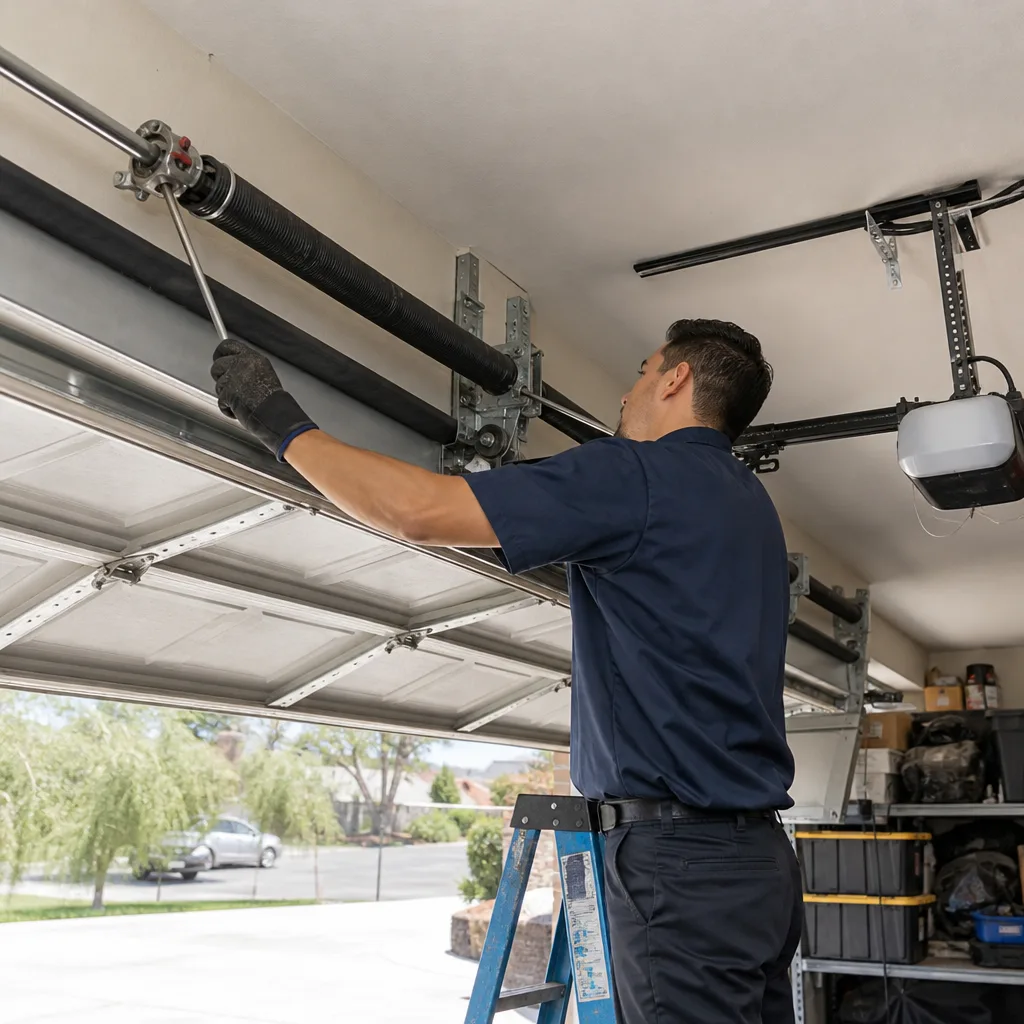
- Have the drums inspected when you have spring work done. If you’re already having a torsion spring replaced, ask the technician to look at the cable drums and the cables themselves while the system is open. It adds a few minutes and can prevent a cable failure six months down the line. On LiftMaster, Chamberlain, and Raynor doors, drums are a standard wear point that doesn’t show its damage until the cable starts acting up.
- Don’t yank the door up when it’s stuck. If the door binds or catches, forcing it by hand puts an enormous load spike through the cables. That’s how a perfectly good cable turns into a frayed one. Disconnect the opener and try to identify where the binding is happening, or call someone who can.
Preventive care on a garage door is not complicated work, but it is consistent work. The systems are simple enough that a trained eye catches problems early, and robust enough that they last a long time when they’re kept in balance. For most Los Angeles homeowners, the difference between a $175 cable replacement and a $900 emergency repair is just paying attention before something pops. See our Garage Door Emergency Preparedness Guide for Los Angeles Homes for steps to take before a failure happens.
Common Mistakes to Avoid
- Operating the door after a cable has slipped. Every cycle after a slip puts more stress on the remaining cable and the track hardware. A slipped cable is a stop-and-call situation, not a keep-using-it situation.
- Trying to re-seat a cable on the drum by hand. The torsion spring is still under tension even with the door closed. Reaching into the drum area with the spring wound is how people lose fingers. This is a professional repair, full stop.
- Replacing only one cable after a failure. Cables wear in pairs. Replacing one and leaving the other means the old one fails soon after, and you pay for two service visits instead of one. The second cable failure also usually happens at the worst possible time.
- Assuming the opener is the problem when the door moves oddly. Opener motors get blamed for a lot of cable and spring issues. Before you replace an opener, check whether the door itself travels level and whether the cables look intact. A $400 opener replacement doesn’t fix a $175 cable problem.
- Spraying lubricant on the cables to stop noise. Cables don’t make noise, and lubricant on them is counterproductive. If you’re hearing noise from the sides of the door, look at the rollers and hinges. If you’ve already sprayed the cables, wipe them clean and have the door inspected.
- Ignoring a door that’s been out of balance for months. An unbalanced door quietly destroys the rollers, hinges, tracks, and cables over time. The longer it runs out of balance, the more the repair bill grows. In Los Angeles, where many homes have attached garages below living space, a door that fails in a big way also threatens the structure above it.
When to Call a Professional
Call a professional the moment you see a cable that’s frayed, hanging loose, or sitting off the drum. Call when the door drops fast at the bottom of travel or sits visibly lower on one side. Call when you hear a pop and the door keeps working anyway, because it won’t keep working for long. These are not conditions that heal themselves, and they are not conditions you should try to repair yourself. The spring-tension zone is unforgiving, and the cost of guessing wrong is steep.
Garage Door Repair in Los Angeles doesn’t have to be a gamble. Brock Garage Door Repair offers free estimates across the Los Angeles metro area. A live person answers the phone 24 hours a day at (254) 602-5116. The written price comes before the work starts, and the repair is covered for a full year. If your cables are telling you something, listen before they make the decision for you.
Frequently Asked Questions
Most cable repairs in Los Angeles cost between $150 and $275 per side, with a full cable and drum replacement running up to $340 when spring rebalancing is included. The final price depends on cable type, drum condition, and whether the door’s balance needs adjustment. Call (254) 602-5116 for an exact quote on your door, and the price you approve in writing before work starts is the price you pay.
In most Los Angeles neighborhoods, yes, a cable replacement can usually be completed the same day you call, because the parts are standard across LiftMaster, Chamberlain, Genie, Clopay, and most other major brands. Our trucks in Los Angeles carry the common cable lengths and drum types, so a technician can typically repair the cable in a single visit. A live person answers the phone 24/7 at (254) 602-5116 to schedule it.
No. Brock Garage Door Repair puts the price in writing before any work begins, and the number on the invoice matches the number you approved. If the technician finds an additional problem during the repair, you’ll get a revised written quote before the technician proceeds, so the decision stays with you. Call (254) 602-5116 to get your upfront quote over the phone or in person.
Look for frayed strands near the bottom bracket, a cable that’s slipped off the drum, a door that sits lower on one side, or a door that drops fast in the last few inches of closing. Any one of these means the cable is in the failure process and needs inspection. In Los Angeles, where coastal moisture accelerates cable corrosion, an annual visual check is a reasonable routine for any homeowner.
We recommend against it. The cables operate under torsion-spring tension, and the spring-tension zone is dangerous even with the door closed. The right move is a professional replacement, which also includes checking the spring balance and the drum condition so the new cable doesn’t fail the same way. Call (254) 602-5116 for a free estimate in Los Angeles, and the repair is covered in writing for a full year.
Yes. Our Los Angeles service trucks carry standard cable lengths, drum types, and bottom brackets for the major brands we service, including LiftMaster, Chamberlain, Genie, Clopay, Amarr, Wayne Dalton, Craftsman, and Raynor. That means most cable repairs are completed in one visit, not two. Call (254) 602-5116 and the live person who answers can schedule your service and confirm availability for your neighborhood.
The Bottom Line
The cables on your garage door don’t fail without warning. They fray, they slip, they stretch, and they change the way the door moves, all before the final snap. Learn the signs in this guide, check the safe inspection points a couple of times a year, and treat any imbalance or visible cable damage as a reason to stop using the door and get a professional look. For more guides & resources, visit our blog. In Los Angeles, where doors cycle hard and coastal air works against steel, that annual attention is the difference between a small repair and a dangerous failure. Brock Garage Door Repair answers the phone around the clock, prices the job in writing before work starts, and stands behind every repair for a full year. You can reach a live person at (254) 602-5116.
Written by Wade Mercer, Owner at Brock Garage Door Repair, serving Los Angeles since 2001.