
Last updated October 8, 2026
Full 25-point door and opener safety check with every visit - springs, cables, rollers, tracks, and your LiftMaster or Chamberlain opener included
You get a price before we start. It does not change when the truck arrives.
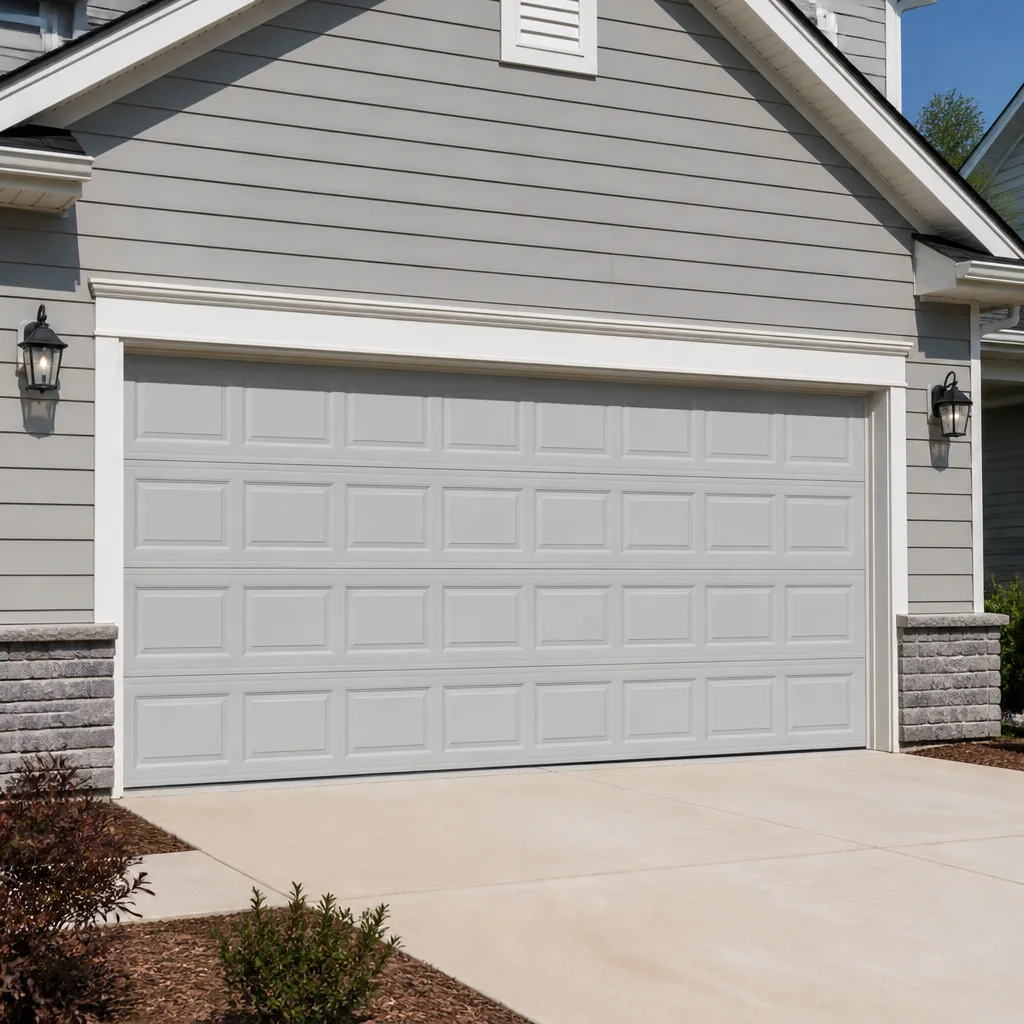
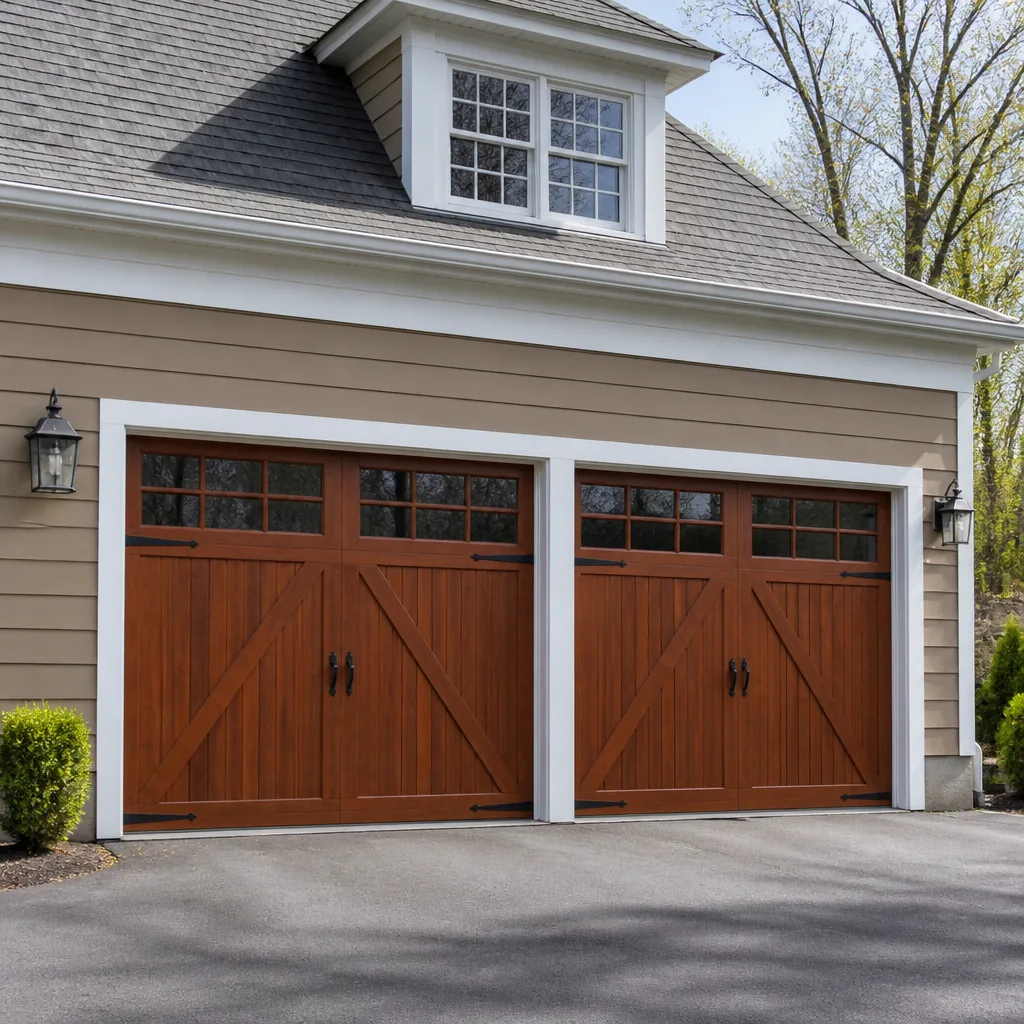
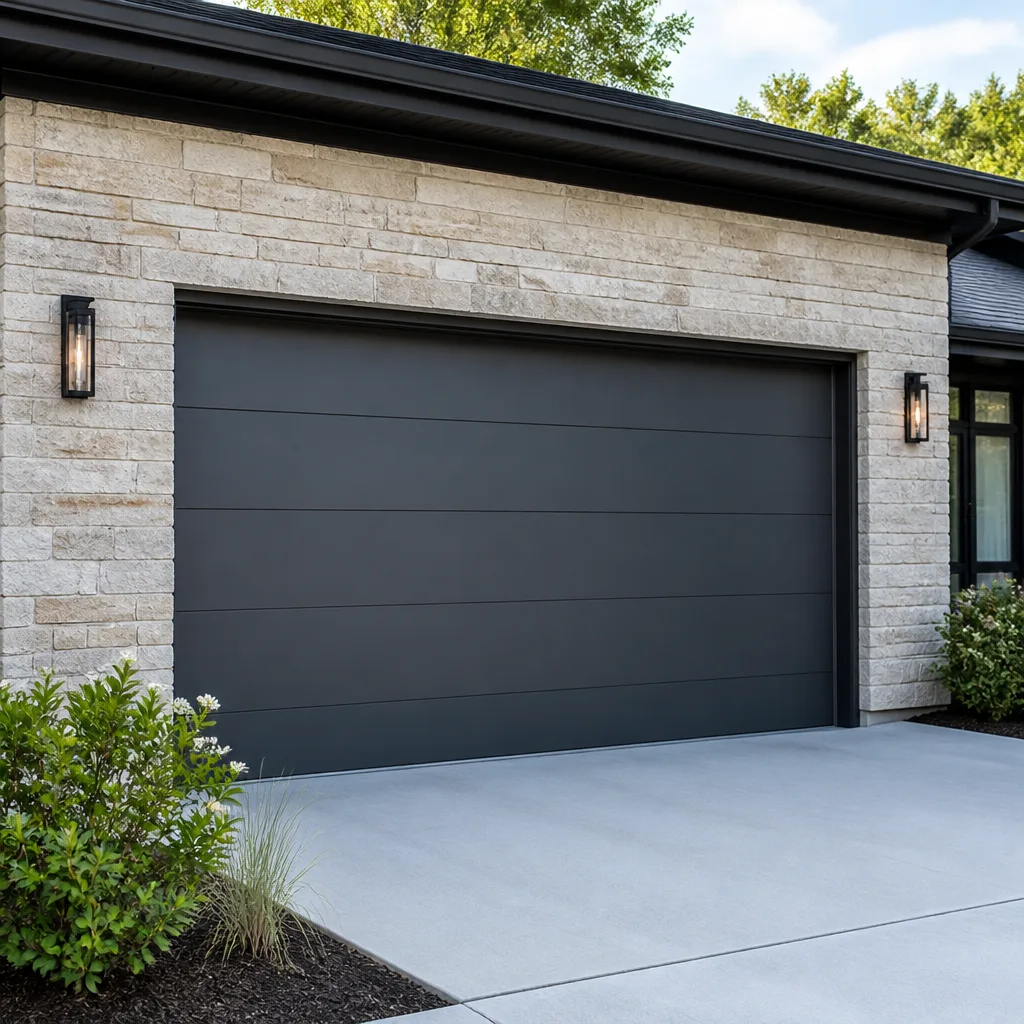
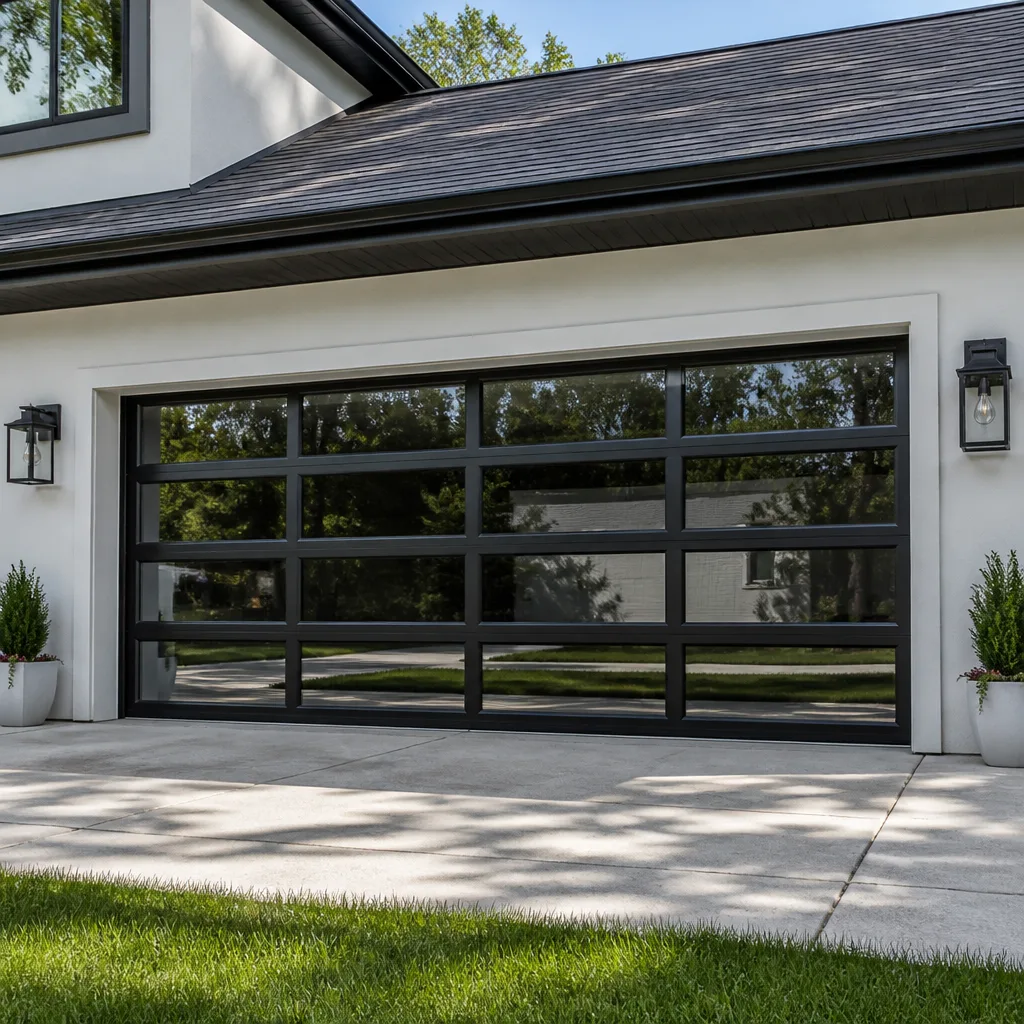
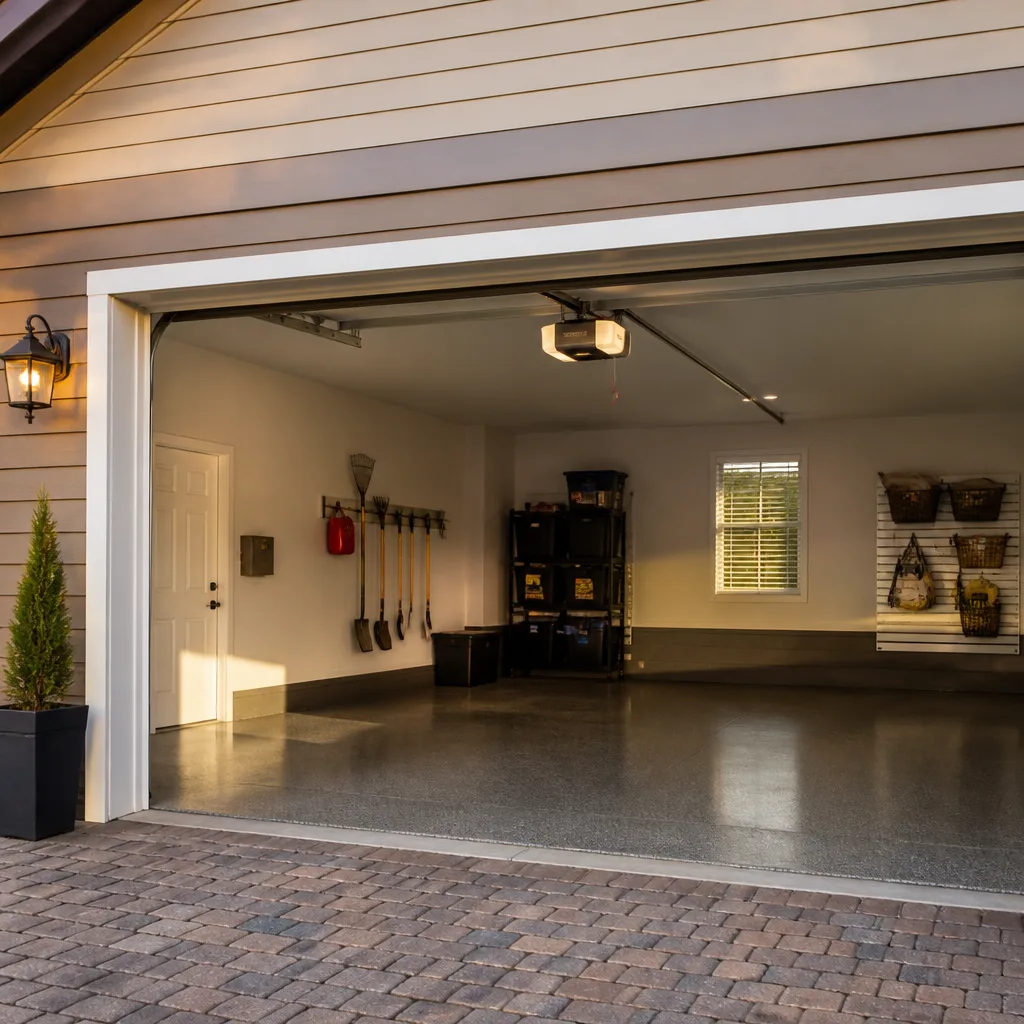
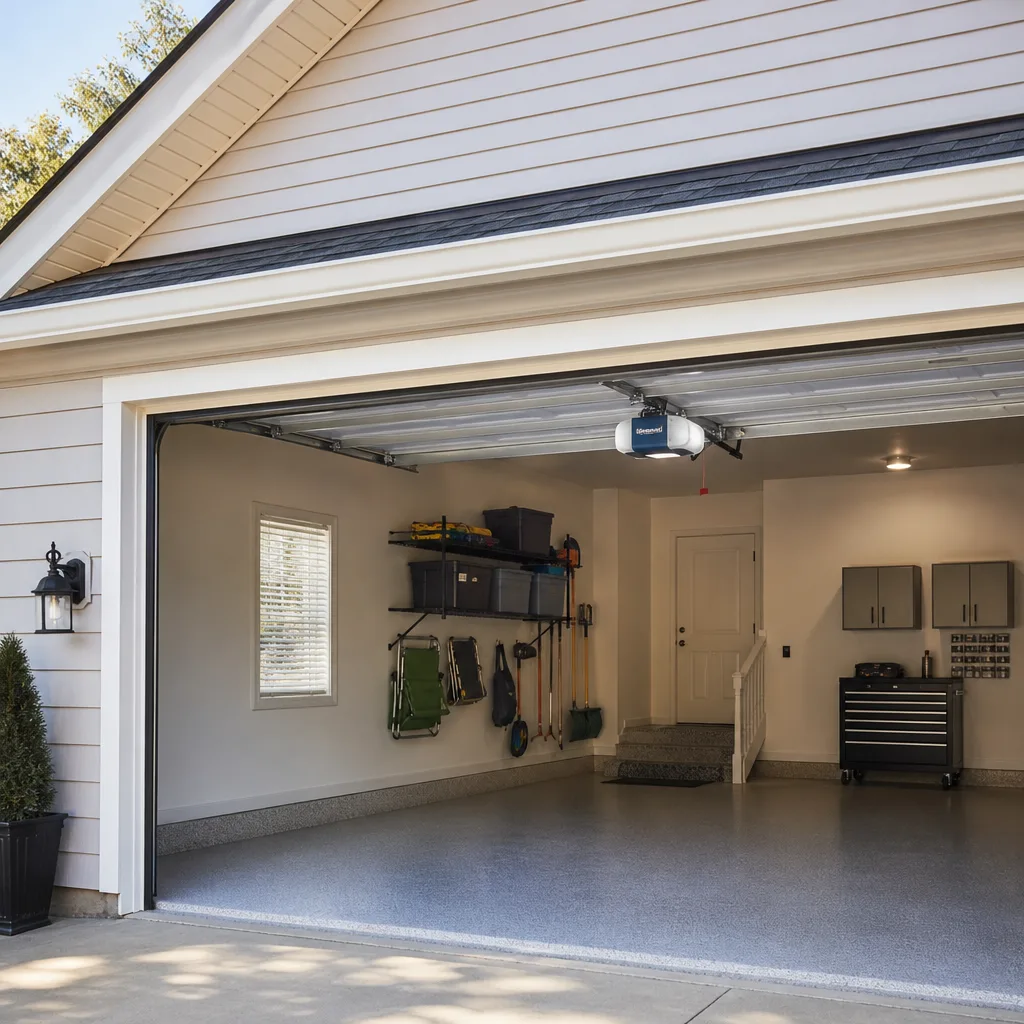
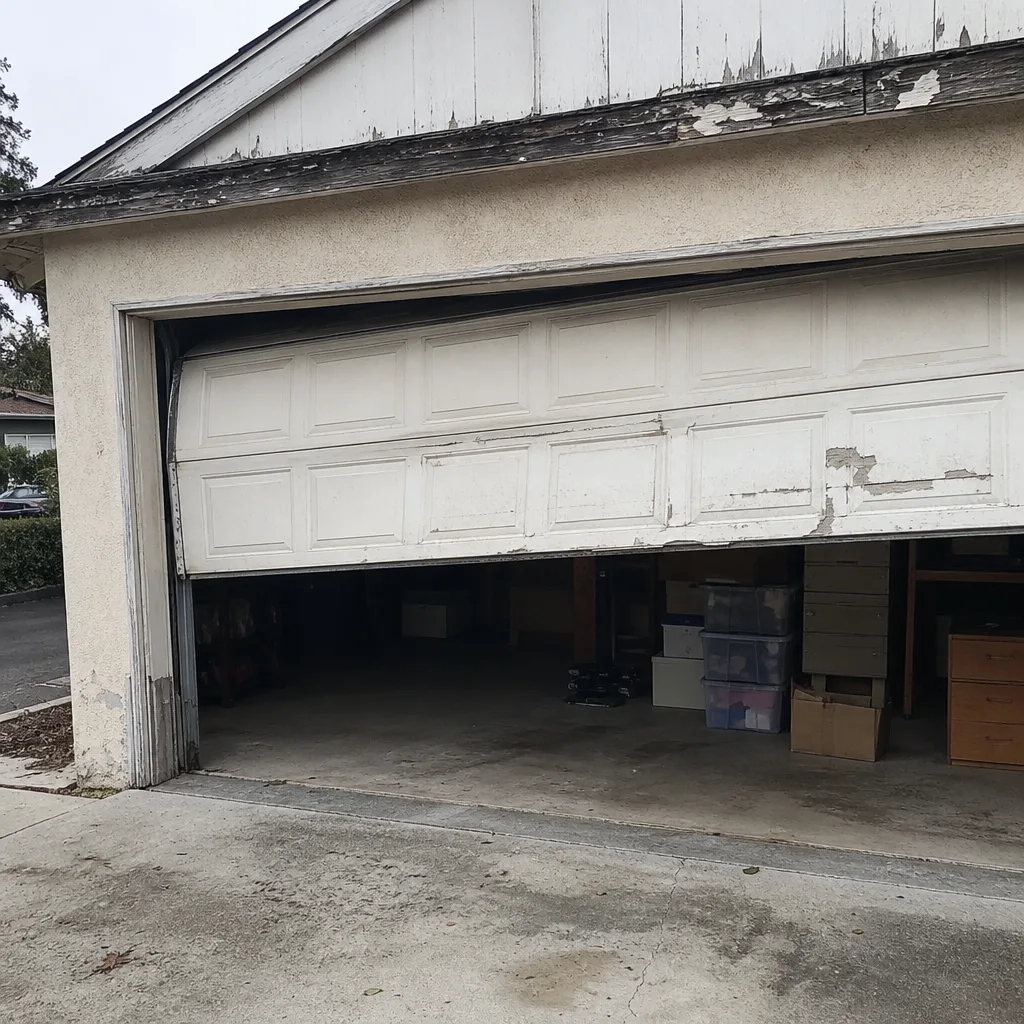 Before
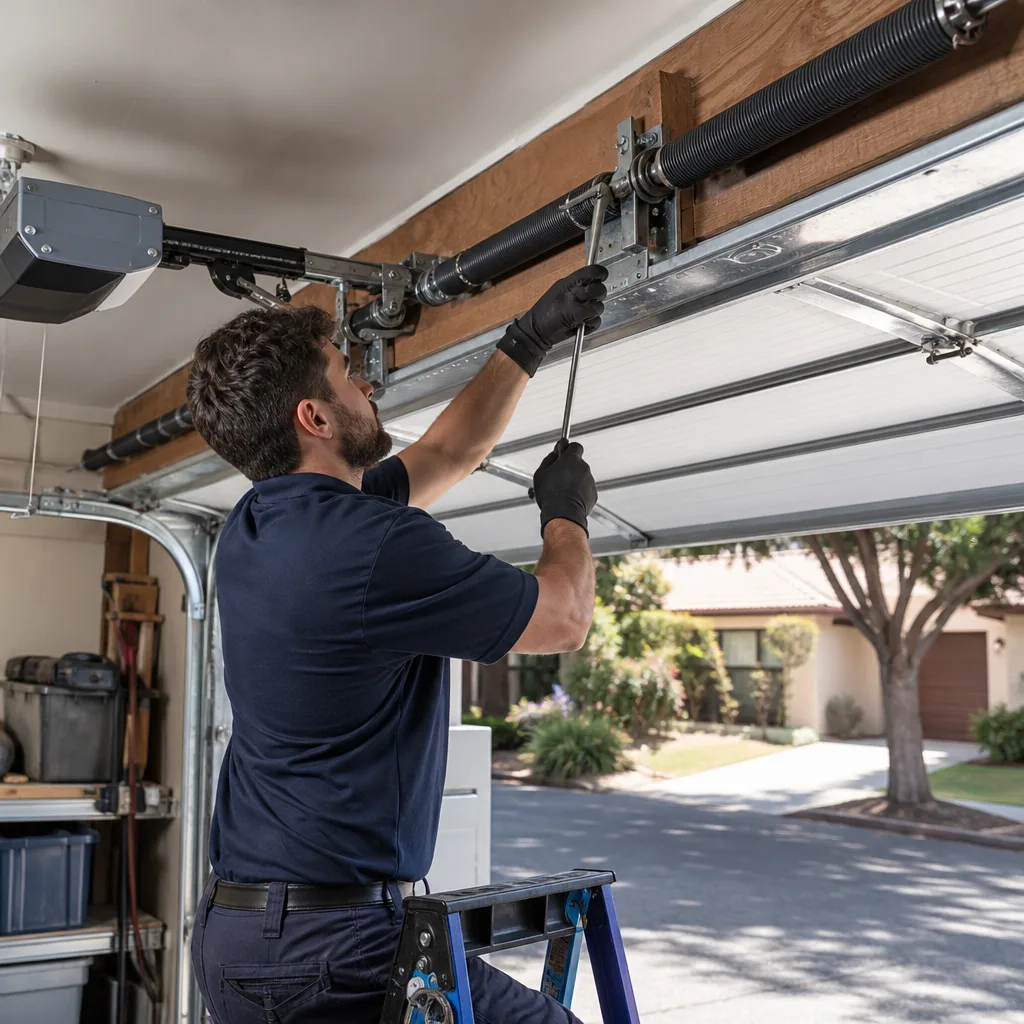 After
After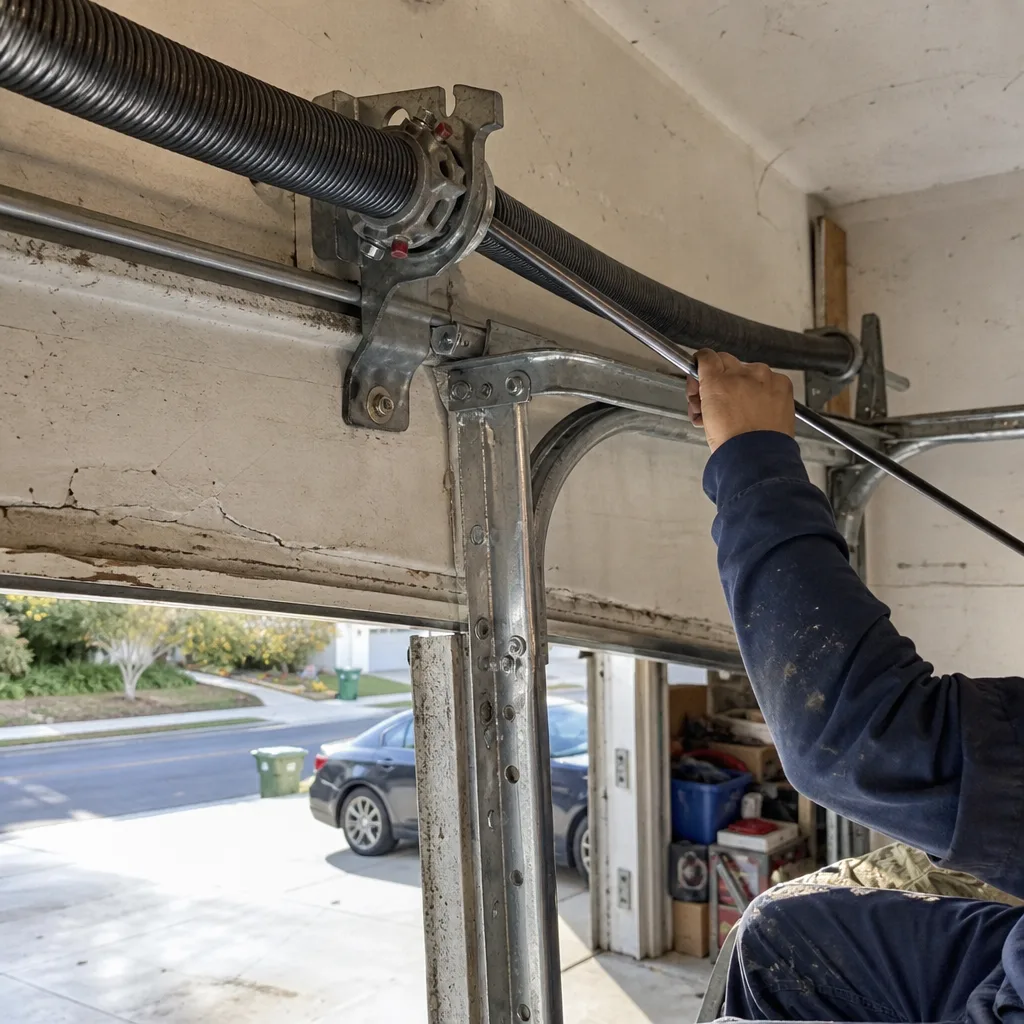 Before
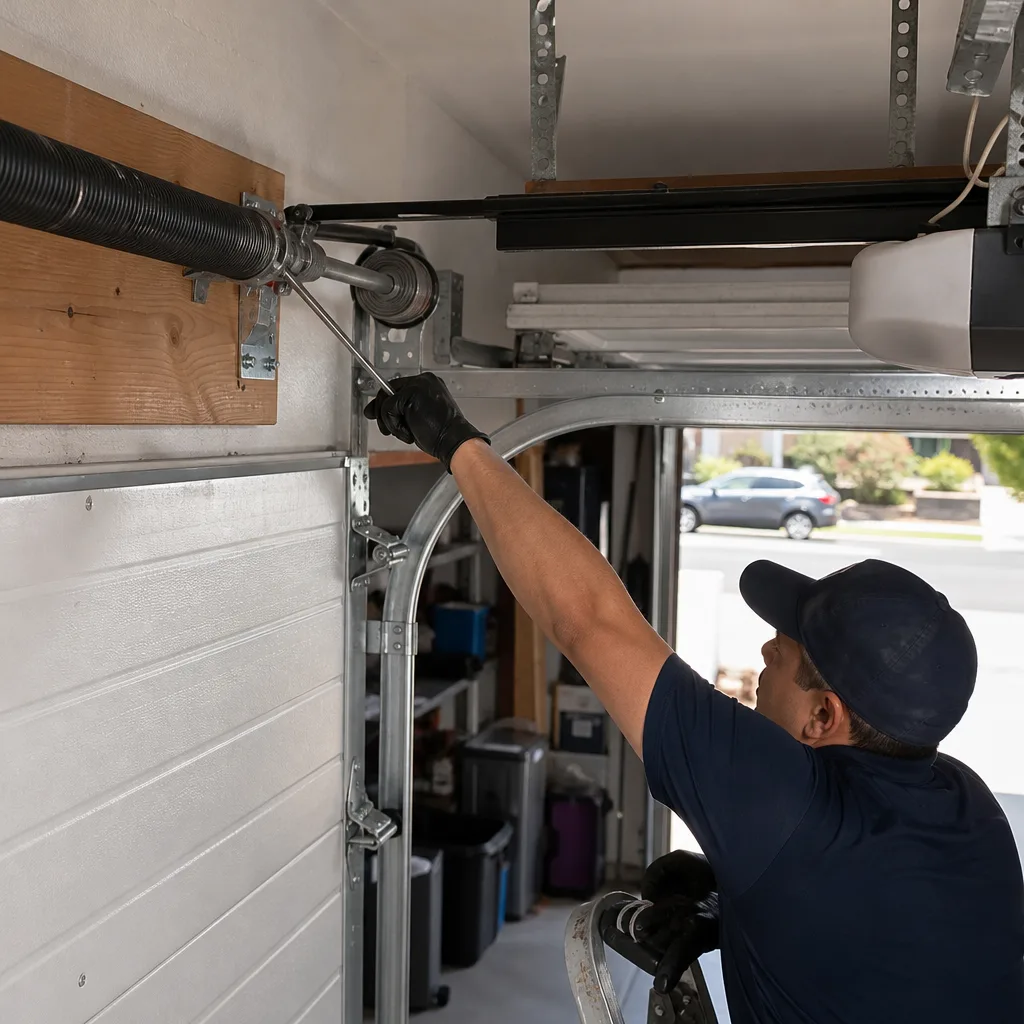 After
After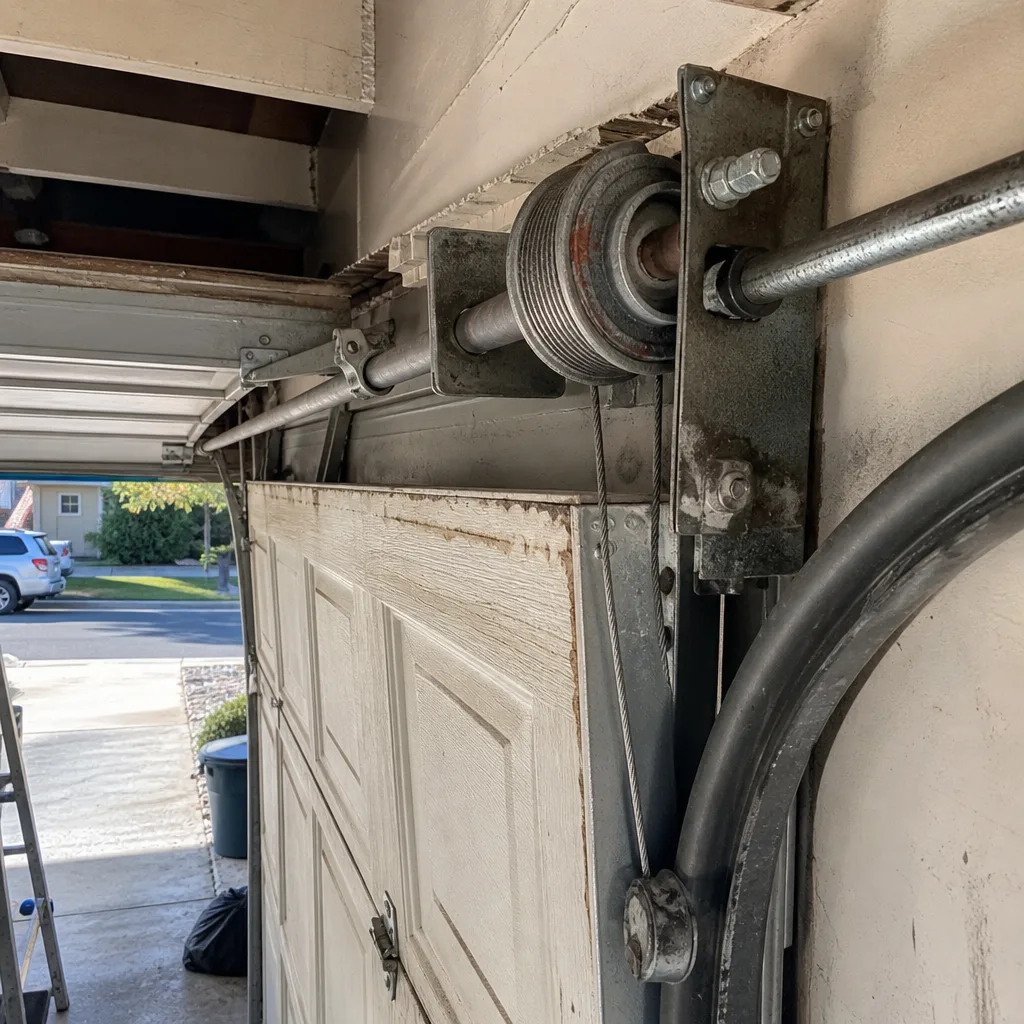 Before
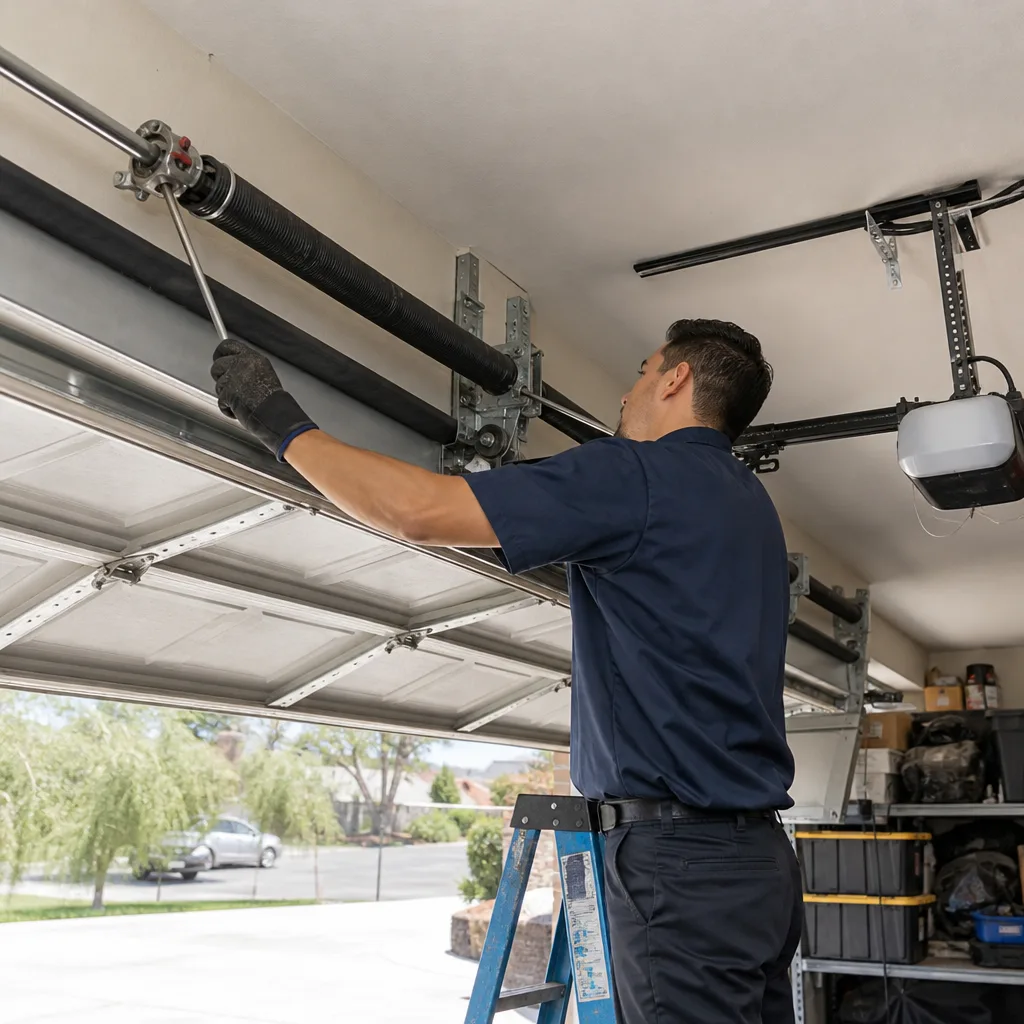 After
AfterChoosing the Right Garage Door Brand: A Buyer’s Guide for Los Angeles
Here’s something most Los Angeles homeowners don’t realize until it’s too late: a garage door that looks flawless in a showroom can start failing within three years of installation, not because of a defect, but because it was never built for our climate. A wood-look steel door that performs beautifully in Denver can show paint delamination within three years in a coastal LA neighborhood. The finish specs that matter – substrate gauge, primer coat system, factory paint thickness – are never on the showroom placard. This guide will walk you through what actually determines whether a door lasts a decade or starts peeling before your next car payment, and how to evaluate the brands competing for your business in Los Angeles.
Quick Answer
The best garage door brand for a Los Angeles home depends on your specific microclimate: coastal homes within three miles of the ocean need doors with marine-grade primer and thick factory paint systems (Amarr and Raynor offer strong options here), while inland valley homes in areas like Van Nuys or Northridge benefit most from higher R-value insulation and heat-resistant panel construction (Wayne Dalton and Clopay excel in this space). Brand matters less than the specific line within each brand, and the single most important document to read before buying is the warranty’s finish exclusion language.
Table of Contents
- What Los Angeles Climate Actually Does to a Garage Door
- Brand-by-Brand Evaluation: How Major Brands Hold Up in LA
- Why Insulation Matters in Los Angeles (Yes, Even Here)
- Builder-Grade vs. Residential Lines: How to Tell What You’re Actually Being Quoted
- Reading Warranty Documents: The Five Exclusions That Matter
- Steel Gauges and Coatings: The Specs Behind the Sales Pitch
- Common Mistakes to Avoid
- When to Call a Professional
- Frequently Asked Questions
- The Bottom Line
What Los Angeles Climate Actually Does to a Garage Door
Los Angeles is not one climate. It’s a series of microclimates that demand different things from a garage door, and the difference between Santa Monica and Woodland Hills is measurable in years of door life and thousands of dollars in premature replacement cost. Coastal zones deliver salt air, morning marine layers, and UV exposure that breaks down cheap powder coatings. Inland valleys deliver 100-plus-degree summer days that cause thermal expansion and contraction cycles – what engineers call thermal cycling – that fatigue panel connections and degrade insulation foam.
Here’s what we see in the field, door after door, year after year:
The Coastal Challenge: Salt and UV Tag Team
Salt air within roughly three miles of the Pacific accelerates oxidation on any exposed metal. A galvanized steel door with a thin primer coat will show rust blooms along panel edges and hardware points within two to five years in Venice, Mar Vista, or San Pedro. The UV exposure is equally aggressive: Los Angeles gets roughly 284 sunny days per year, and that sun breaks down polyester powder coatings faster than most manufacturers’ warranty language acknowledges. What matters is whether the door has a marine-grade primer (zinc-rich or epoxy-based) and a factory-applied topcoat rated for continuous UV exposure – not a showroom shine.
The Inland Challenge: Heat and Thermal Cycling
In Panorama City, Granada Hills, and parts of the San Fernando Valley, July temperatures routinely exceed 100 degrees. A garage door facing west or south can reach surface temperatures of 140 degrees or higher. That heat does two things: it degrades foam insulation through repeated expansion and contraction, and it tests the structural integrity of panel lamination. We regularly see delamination – where the steel skin separates from the foam core – on doors that were never rated for sustained high-heat exposure. The panel’s lamination process and adhesive system matter more than the R-value printed on the box.
The Shared Demand: Wind and Seismic Reality
Los Angeles building codes require garage doors to meet specific wind load ratings in certain zones, and our seismic activity means track anchoring matters more than it does in most of the country. A door that works fine in Phoenix may need reinforced struts and heavier-gauge tracks to meet LA code and survive the occasional shake. Any door you consider should have its wind load certification documentation available, and the track system should be at minimum 14-gauge steel for a double-wide door.
Brand-by-Brand Evaluation: How Major Brands Hold Up in LA
We train our technicians on eight major brands at Brock Garage Door Repair home, which means we see how each one performs after years of LA exposure. Here’s an honest breakdown of what we’ve observed across thousands of service calls in Los Angeles.
Amarr: Strong Marine-Grade Offerings, But Read the Line
Amarr’s coastal-rated door lines – particularly those built with their zinc-aluminum alloy primer – hold up better than most under continuous salt air exposure. We’ve seen Amarr doors in Huntington Beach and Long Beach with finish integrity at the eight-year mark that other brands couldn’t deliver at year five. The catch: their entry-level builder lines do not use the same primer system. When a contractor quotes you an Amarr door, you need the specific model number and you need to confirm it’s from their coastal or premium residential line, not their builder series.
Wayne Dalton: The Inland Insulation Leader
Wayne Dalton’s polyurethane-injected (foamed-in-place) panels deliver consistent R-values that hold up in valley heat. Their ThermoMark and similar insulated lines have shown less thermal bowing than competing doors in the same price range after multiple San Fernando Valley summers. The finish story is more mixed: their standard powder coat performs adequately inland but shows its age faster in coastal zones. If you’re within beach distance, pay the upcharge for their premium finish package or look elsewhere.
Raynor: The Quiet Contender with a Real Warranty
Raynor flies under the radar compared to marketing-heavy brands, but their warranty language is among the most straightforward we’ve read. Their polyester topcoat performs respectably in both coastal and inland Los Angeles conditions, and their hardware components – hinges, rollers, brackets – use heavier metals than the industry average. Where Raynor lags is distribution: few local contractors stock them, which can mean longer lead times for replacement parts. If availability matters for your timeline, confirm stock before you commit.
Craftsman: The Homeowner Replacement Trap
Craftsman doors have a loyal following because the name carries decades of recognition, but the current manufacturing reality is worth understanding. Craftsman doors are now largely produced by third-party manufacturers under license, which means consistency varies significantly. The doors themselves can be solid value at the right price point, but the finish warranty is more restrictive than premium brands, and parts availability for certain older models can be spotty through local Los Angeles distributors. If you’re choosing Craftsman, treat it as a budget decision and read the exclusions carefully.
Why Insulation Matters in Los Angeles (Yes, Even Here)
The most common pushback we hear: “We don’t need an insulated door. We live in California.” That thinking costs homeowners money every single month. Here’s the actual picture for Los Angeles homes.
Most Los Angeles garages are attached to the main living structure. Many have a bedroom, home office, or common wall directly above or adjacent to the garage space. When afternoon sun beats on an uninsulated metal door, that door becomes a radiant heat panel, transferring heat into the garage, then through the shared wall into your conditioned living space. Your HVAC system works harder. Your summer electric bill climbs. The insulation in a garage door isn’t about keeping your car comfortable – it’s about reclaiming the thermal boundary of your home.
What R-value should you target for Los Angeles? A few reference points:
- R-6 to R-9: Adequate for detached garages with no living space above or adjacent.
- R-9 to R-14: Recommended for attached garages in inland Los Angeles zones (Van Nuys, Reseda, Canoga Park, Glendale).
- R-14 to R-18: Worthwhile if you have a bedroom above the garage, or if your garage faces west or south and absorbs afternoon sun.
- Coastal zones: Insulation matters less for temperature, but still provides sound dampening and panel rigidity. R-9 is a sensible minimum.
One additional factor: an insulated door is simply stronger. The foam core bonds to the steel skin and resists denting, warping, and panel flex far better than a hollow uninsulated door, which directly extends the operational life of the door in Los Angeles conditions.
Builder-Grade vs. Residential Lines: How to Tell What You’re Actually Being Quoted
Every major manufacturer runs two product tracks, and most homeowners never learn this until a problem appears. The builder-grade line is what production homebuilders install by the hundreds – doors built to a price point, with thinner steel, lighter hardware, and basic finish systems. The residential line is what the manufacturer sells through dealers for replacement and upgrade projects, with better gauges, better primers, and longer finish warranties.
The difference shows up fast in Los Angeles. Builder-grade doors use 27 or even 28-gauge steel skins, which dent easily and flex under coastal winds. Residential doors typically use 25-gauge or thicker, with 24-gauge common in premium lines. The hardware is different too: builder-grade hinges are stamped thin metal that wears loose, while residential hinges are thicker with better pin construction.
Here’s how to identify which one you’re being quoted:
- Ask for the exact model number. If the contractor won’t provide it, assume builder-grade.
- Ask what steel gauge the panels use. If the answer is 27-gauge or thinner, that’s builder-grade regardless of what the sales sheet says.
- Ask for a written finish warranty period. Builder-grade doors often carry one to three years on the finish. Residential doors typically carry five to ten.
- Check the hardware. Look at the hinge thickness and the roller construction. If the hinges feel light and the rollers are unsealed plastic, it’s builder-grade.
This is not about brand snobbery. It’s about whether you’re buying a door meant to last fifteen years in Los Angeles or a door meant to survive a five-year home warranty period. Both have their place, but the price difference at quote time is often smaller than homeowners assume, and the durability difference is not.
Reading Warranty Documents: The Five Exclusions That Matter
Warranty documents are where manufacturers make promises and quietly take most of them back. Every major brand’s door carries a lifetime-limited warranty on panels and hardware, which sounds comprehensive until you read the exclusions. Here are the five that appear in almost every brand’s fine print, and what they mean for your Los Angeles home.
1. Coastal Exclusion. Many warranties either exclude homes within a specified distance of salt water, or reduce the finish warranty period substantially for coastal installations. Read this before buying. Some luxury brands still enforce a one-mile coastal distance that removes finish coverage entirely.
2. UV Degradation Clause. Finish warranties almost universally exclude “normal fading” and “UV degradation” – the exact failure mode that Los Angeles sun produces. A door that fades visibly within three years is performing exactly as the manufacturer predicted, and the warranty will not cover it.
3. Transfer Limitations. Some brands’ lifetime warranties die when the house is sold. If you’re buying a door and plan to sell within a few years, a warranty with transfer limitations has less value to you and to your buyer.
4. Labor Exclusions. Nearly every manufacturer warranty is parts-only after the first year. If a panel rusts through and they send a replacement panel, you’re still paying for the labor to install it. That’s fair, but you should understand it going in.
5. Installation Requirements. Many brands require installation by a factory-trained dealer for full warranty validity. A door installed by an unqualified contractor can void the warranty before it starts. Get proof of installation qualification in writing.
Our approach at Brock is straightforward: when a customer buys a door through us, we review the warranty terms with you before you commit, and our own 365-Day Done Right Promise is written on every job. If a covered repair fails within that year, we return and correct it at no additional charge. You get the manufacturer’s warranty plus our guarantee in writing.
Steel Gauges and Coatings: The Specs Behind the Sales Pitch
The single most useful skill in buying a garage door in Los Angeles is reading the spec sheet instead of the brochure. The brochure tells you the door looks beautiful and lasts for years. The spec sheet tells you whether that’s true, and you only need to look at three numbers.
Steel gauge. Lower numbers mean thicker steel. For a double-wide door in Los Angeles, 25-gauge is your baseline for residential quality. 24-gauge is better and worth the upcharge, especially if you’re in a coastal zone with wind load requirements or inland where thermal expansion stresses panel connections. Anything 26-gauge or thinner is builder-grade, regardless of what the brand’s marketing says.
Primer system. This is where coastal Los Angeles doors live or die. A zinc-aluminum or epoxy primer designed for marine environments is the difference between a door that lasts and a door that rusts. Ask for the specific name of the primer system, not “galvanized steel” – galvanization is standard and insufficient alone for coastal exposure.
Topcoat type and thickness. Polyester powder coatings are industry standard, but thickness varies significantly between builder and residential lines. Premium doors use multi-layer topcoat systems with UV inhibitors. Cheaper lines use thinner single-process coats that break down faster. If the spec sheet doesn’t list topcoat thickness in mils or specify UV inhibitor content, that’s an informational gap that should concern you.
For homeowners who want a deeper layer of protection, some manufacturers offer a factory-applied clear coat over the powder finish for an added upcharge. In coastal Los Angeles, this upcharge typically pays for itself within the first five years of sun and salt exposure.
How Much Do Garage Doors Cost in Los Angeles?
The price range in Los Angeles is wider than most homeowners expect, and it’s driven as much by installation complexity as by the door itself. Here’s what we quote across the city on a regular basis:
| Door Type | Typical Installed Range (Los Angeles) | Notes |
|---|---|---|
| Builder-grade steel, single car | $900 – $1,400 | Basic finish, thin steel, short warranty |
| Mid-grade steel, double car | $1,600 – $2,600 | 25-gauge steel, decent finish |
| Premium steel, custom color, double car | $2,800 – $4,500 | 24-gauge, marine primer, long finish warranty |
| Wood-look steel, premium line | $2,200 – $4,000 | Finish quality varies dramatically by brand |
| Full custom wood, double car | $4,500 – $9,000+ | Highest maintenance; rare for attached garages in LA |
| Garage door opener replacement | $350 – $700 | Belt-drive with battery backup at the upper end |
Every quote we provide includes the written price before any work begins. The number you approve is the number you pay. That’s The Garrison Standard, and it applies to every job at Garage Door Repair in Los Angeles.
Can a New Garage Door Increase Home Value in Los Angeles?
Yes, and it’s one of the few home improvements that consistently recovers more than its purchase price at resale. The national numbers from remodeling industry reports are compelling, but in Los Angeles specifically, the garage door is one of the first things a prospective buyer sees when pulling up to the house – and our market has enough sunshine that a faded, dented, or sagging door is impossible to hide.
Here’s what we tell Los Angeles sellers: a functional but ugly garage door is a negotiating chip for buyers. They’ll mentally deduct $2,000 to $5,000 from their offer for the perceived cost of replacement, even if the actual cost is lower. A new premium door in a clean, finished color removes that objection before it’s ever raised.
For buyers, the calculus is different. A home with a newer door from a reputable brand with a documented installation means you’re unlikely to deal with a Garage Door Cable Repair in Los Angeles situation in the first year of ownership – and the cable and spring system is exactly where under-maintained doors break first.
What Role Does the Garage Door Opener Play in Brand Selection?
The door panel and the opener are separate products from separate manufacturers, and buying a premium door doesn’t automatically get you a premium opener. The opener is what moves the door, and in a city like Los Angeles where the garage may be your primary entry point, opener reliability and security features matter more than they do in neighborhoods where the garage sits at the back of the property.
For most Los Angeles homes, we recommend a belt-drive opener with a DC motor, which runs quieter and lasts longer than chain-drive equivalents. The brands we service most frequently are LiftMaster, Chamberlain, and Genie. All three make excellent openers, but they also make budget lines with shorter lifespans. The key features to look for: battery backup (so the door still opens during LA’s occasional power outages), Wi-Fi connectivity for app-based control (important for Southern California commuting patterns), and a solid rail system.
Opener brands matter one other way: parts availability. When a board fails on a niche-brand opener, you can wait weeks for a replacement part. LiftMaster, Chamberlain, and Genie have deep parts distribution through Los Angeles, which means a Garage Door Opener Repair in Los Angeles gets turned around faster, often same-day. Wade Mercer, who leads our team at Brock Garage Door Repair, insists on this parts availability standard for exactly that reason: a door that’s stuck open in Los Angeles is a security problem, and waiting three weeks for a control board is unacceptable.
Common Mistakes to Avoid
- Choosing finish color over finish system. Two doors can look identical in the showroom, but one has a marine-grade primer and the other doesn’t. In coastal Los Angeles zip codes, that difference is worth five years of door life. Ask for the primer spec, not the color name.
- Assuming all “insulated” doors perform the same. A door with foam board shoved between panels insulates far worse than one with injected polyurethane in a closed-cell format. The R-value may look similar on paper, but the actual thermal performance diverges quickly in San Fernando Valley heat.
- Buying for today’s search results instead of your actual location. The “best garage door brand” for a home in Denver is often wrong for Los Angeles. Climate-specific evaluation is not optional.
- Skipping the warranty review. If you haven’t read the coastal exclusion and the UV degradation clause, you don’t actually know what your warranty covers. These two clauses affect nearly every door sold in Los Angeles.
- Getting one quote and assuming it’s fair. The Los Angeles market has enormous pricing dispersion for identical doors. Get three written quotes, compare line items, and ask each contractor what they’re actually installing – model number, gauge, finish system.
- Overlooking the opener. The best door in Los Angeles loses value if it’s paired with a cheap builder-grade opener that fails after two years. Budget for both, not one.
- Ignoring wind load and seismic anchoring. Los Angeles building codes require specific track gauge and anchoring standards for garage doors. An out-of-area contractor may not know these requirements. Confirm code compliance in writing.
When to Call a Professional
Garage door installation is not a DIY project in Los Angeles. The torsion spring – the thick coiled spring mounted above the door that bears most of the lifting load – is under enormous tension and has killed people. Even with published safety guides available online, the margin for error is too small to justify the risk, and the code requirements around wind load and seismic anchoring mean a professional installation is the only defensible choice for an attached garage in Los Angeles.
Beyond installation, here’s when to bring in a professional for an existing door: when the door vibrates or shakes on startup, when you hear snapping or popping sounds during operation, when the door drifts down on its own, when the opener runs but the door doesn’t move, or when you see visible rust along panel edges. These are early indicators that a failure is developing, and addressing them early costs a fraction of emergency repair.
Brock Garage Door Repair offers free estimates in Los Angeles – call (254) 602-5116 and a live person answers, 24 hours a day, seven days a week. No voicemail trees, no callback queues. Every estimate is delivered in writing before any work starts.
Frequently Asked Questions
For homes within three miles of the ocean, Amarr and Raynor consistently deliver better corrosion resistance than competitors, provided you select their marine-grade primer lines specifically. Wayne Dalton also offers acceptable coastal options, but their standard finish package is better suited to inland conditions. Look for zinc-aluminum alloy primers and factory topcoats rated for continuous UV exposure.
For a quality double-car door installed by a qualified Los Angeles contractor, budget $1,600 to $2,600 for mid-grade steel and $2,800 to $4,500 for premium steel with marine-grade coatings and extended finish warranties. Single-car doors run $900 to $1,400 for builder-grade and upward of $2,000 for residential quality. Call (254) 602-5116 for a written quote based on your specific door size and configuration.
Yes. An insulated door with an R-value of 9 to 14 reduces heat transfer into attached living spaces, improving HVAC efficiency and reducing summer cooling costs in inland Los Angeles zones. Beyond thermal benefits, the foam core makes the door structurally stiffer and more resistant to denting and panel flex over time.
A residential-quality door from a reputable brand, installed correctly and in a cooperative microclimate, lasts 15 to 25 years in Los Angeles. Coastal homes may see finish degradation within 5 to 10 years if the door lacks marine-grade coatings. Inland homes face different challenges, primarily thermal cycling and panel delamination, but a properly specified door handles those well. Builder-grade doors in Los Angeles often show significant wear within 5 to 8 years.
Most garage door manufacturers provide a lifetime-limited warranty on panels and hardware, but finish coverage typically runs 1 to 10 years depending on the specific product line. Nearly all warranties exclude UV degradation and coastal salt exposure, which are the two environmental factors most likely to affect a Los Angeles door. Read the exclusions carefully and get the installation qualification in writing.
New garage door installation typically requires measurement, ordering, and scheduling, so same-day installation is rare for full door replacements. What we do provide same-day is repair and assessment: Garage Door Opener Repair in Los Angeles and Garage Door Cable Repair in Los Angeles are both routinely completed on the same visit, since our service vehicles carry the common parts for eight major brands. Call (254) 602-5116 and a live person will tell you exactly what’s possible.
The Bottom Line
Choosing a garage door brand for a Los Angeles home is a decision driven by climate specifics, not showroom aesthetics. Coastal homes need marine-grade primers and thick topcoats. Inland homes need proper insulation and panel construction that withstands thermal cycling. Builder-grade lines carry brand logos but none of the durability, and warranty documents hide more exclusions than any sales brochure admits. Read the spec sheet, ask for the model number, and get the written quote before any work starts. If you are in the market for a door, call Brock at (254) 602-5116 for a free estimate delivered to your door in writing, backed by the 365-Day Done Right Promise and The Garrison Standard.
Written by Wade Mercer, Owner at Brock Garage Door Repair, serving Los Angeles since 2001.