
Last updated October 9, 2026
Full 25-point door and opener safety check with every visit - springs, cables, rollers, tracks, and your LiftMaster or Chamberlain opener included
You get a price before we start. It does not change when the truck arrives.
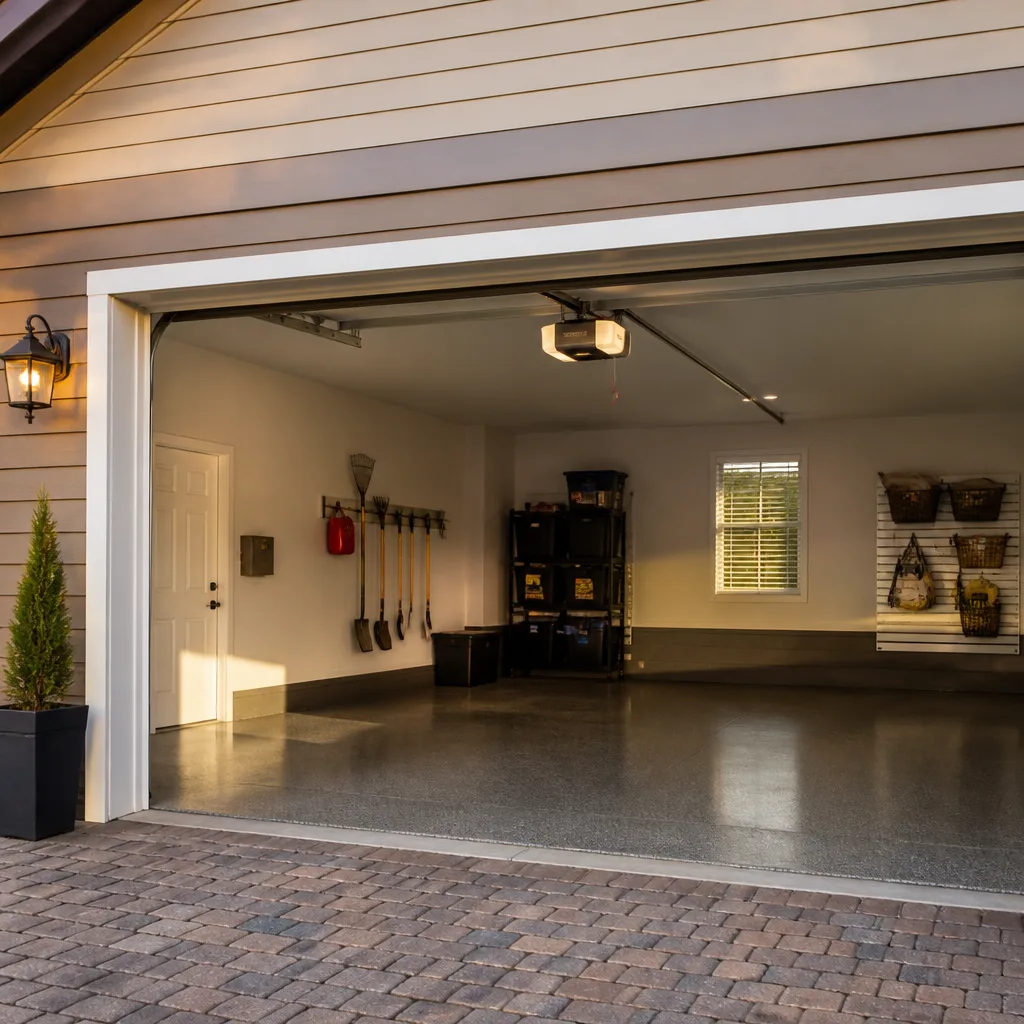
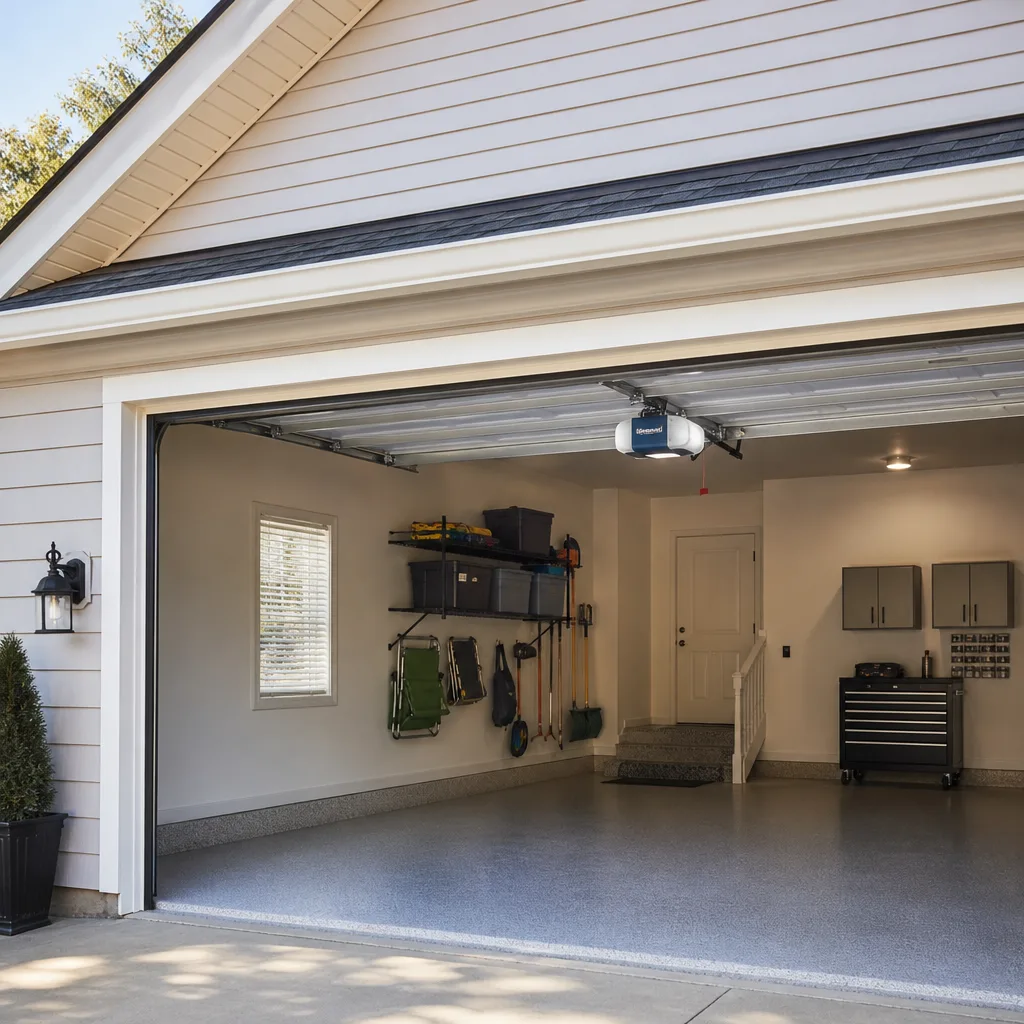
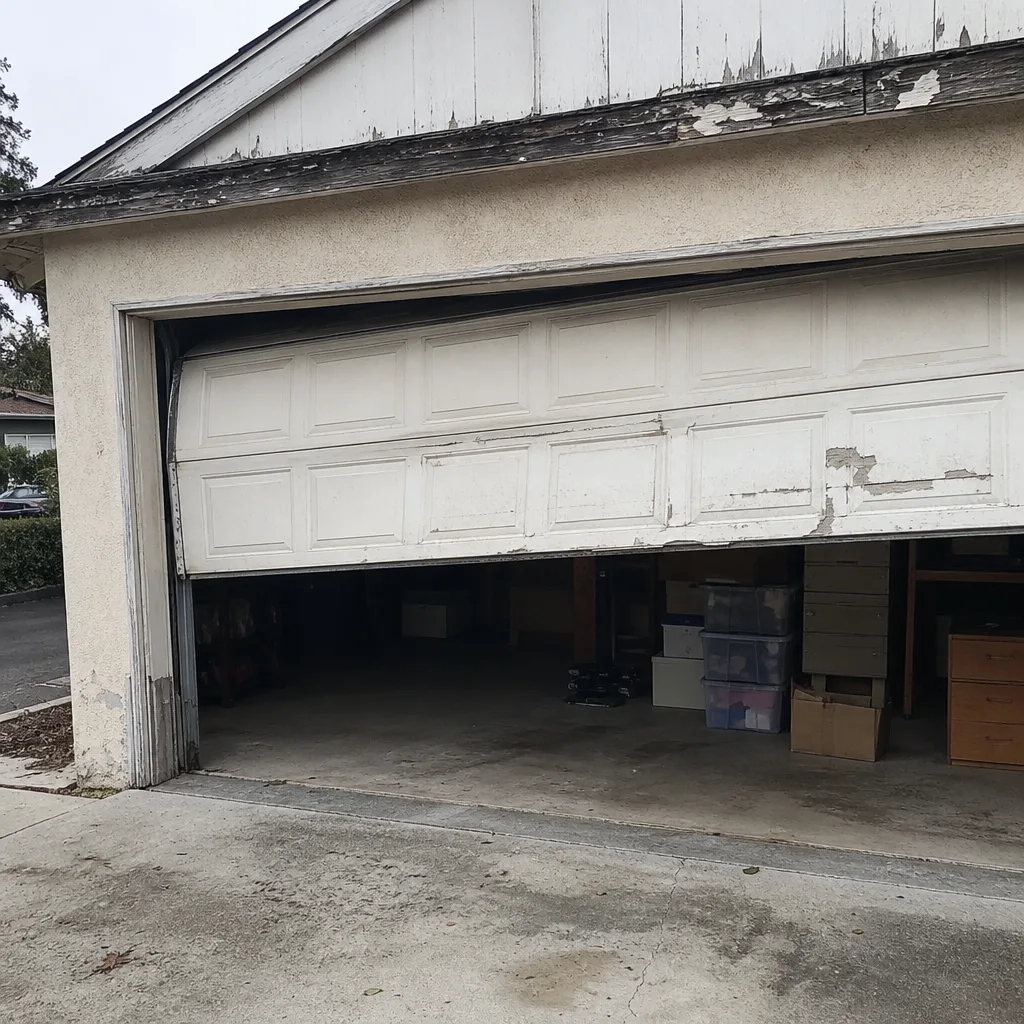 Before
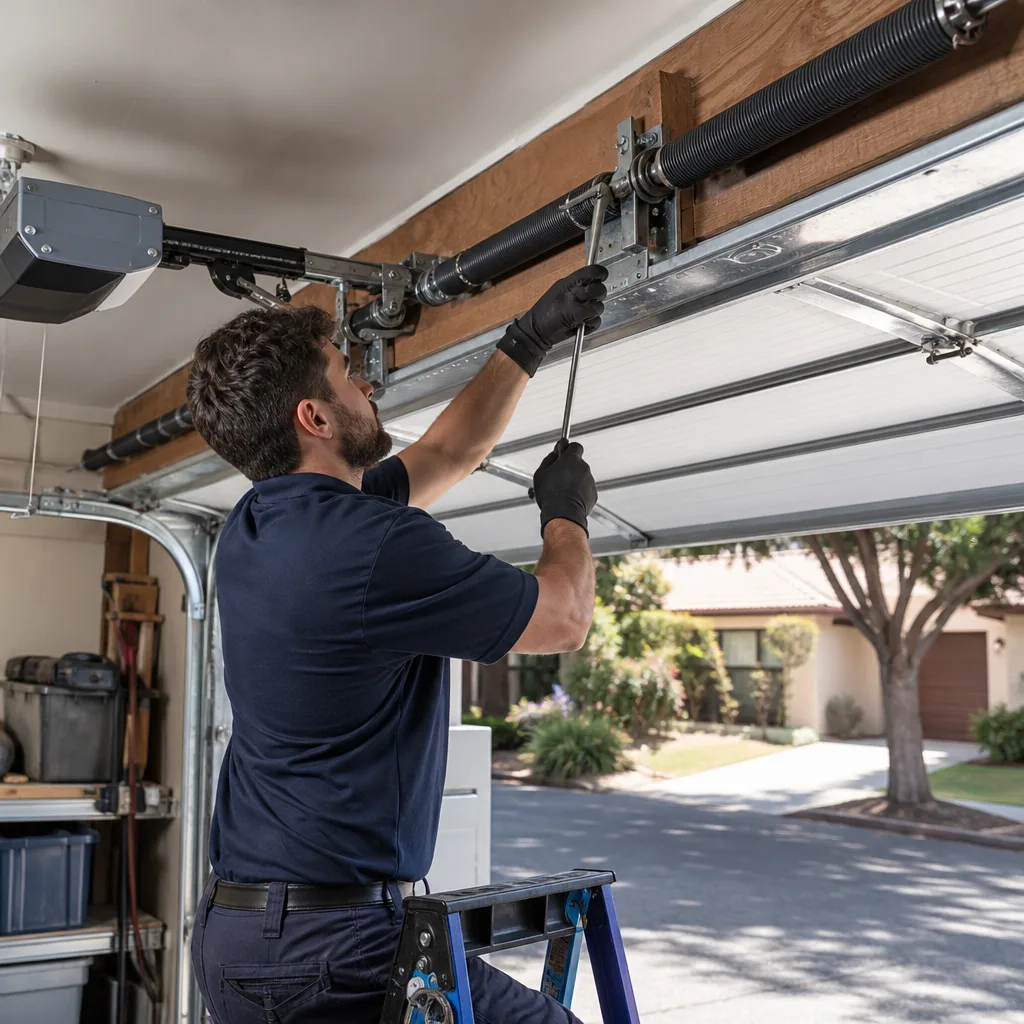 After
After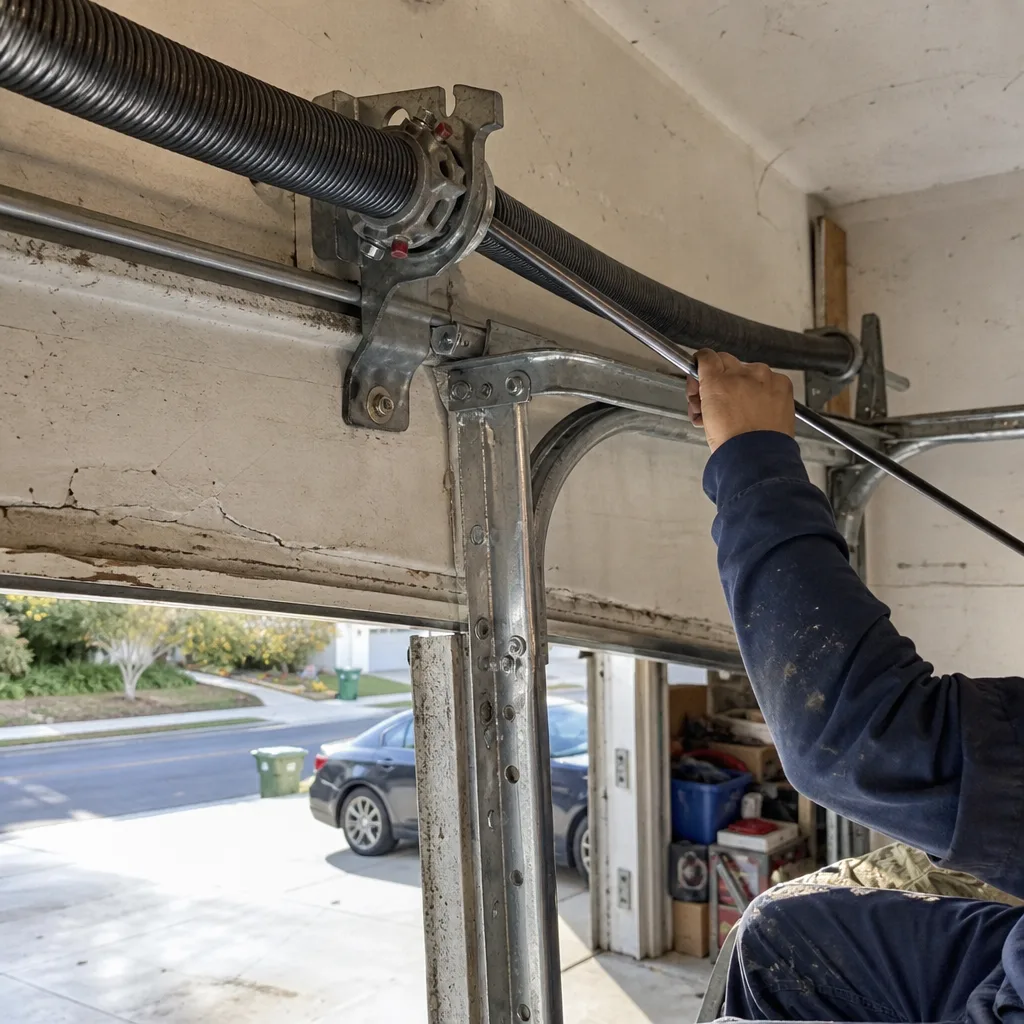 Before
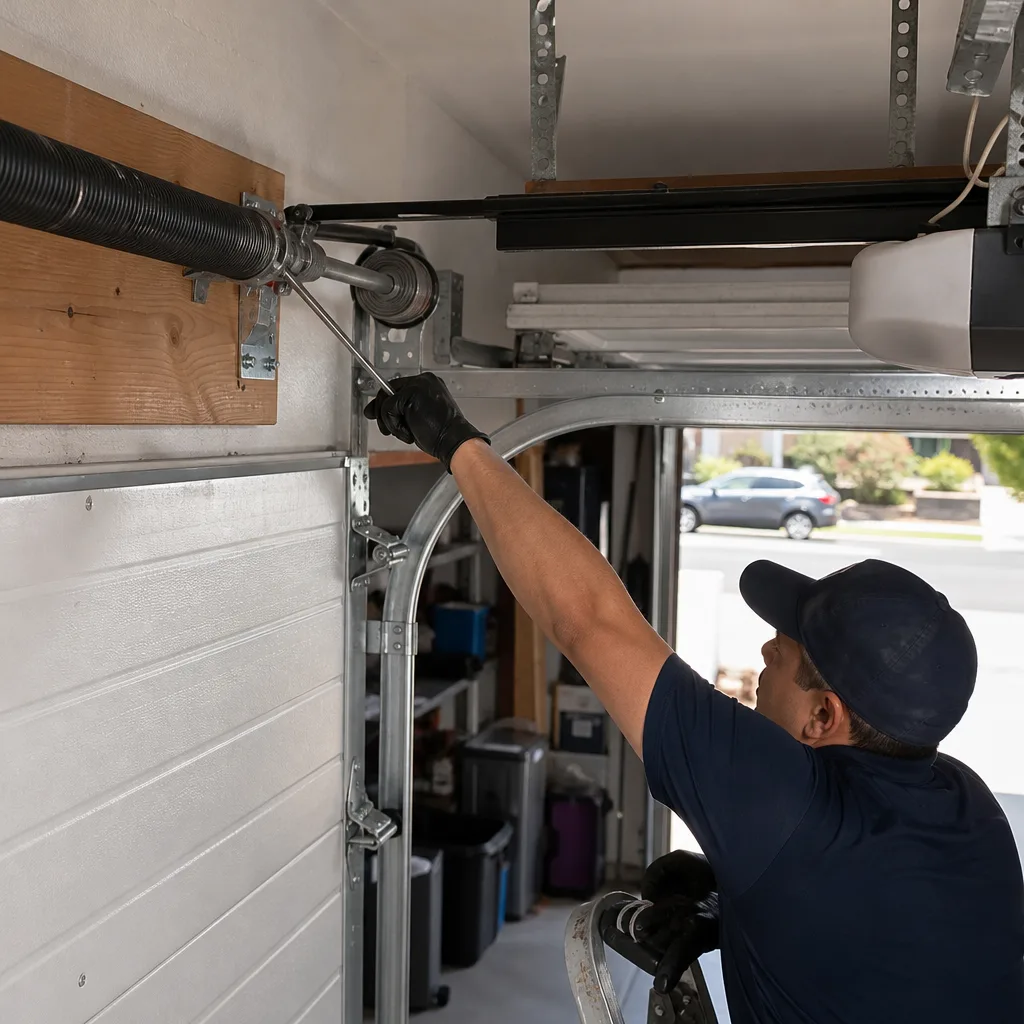 After
After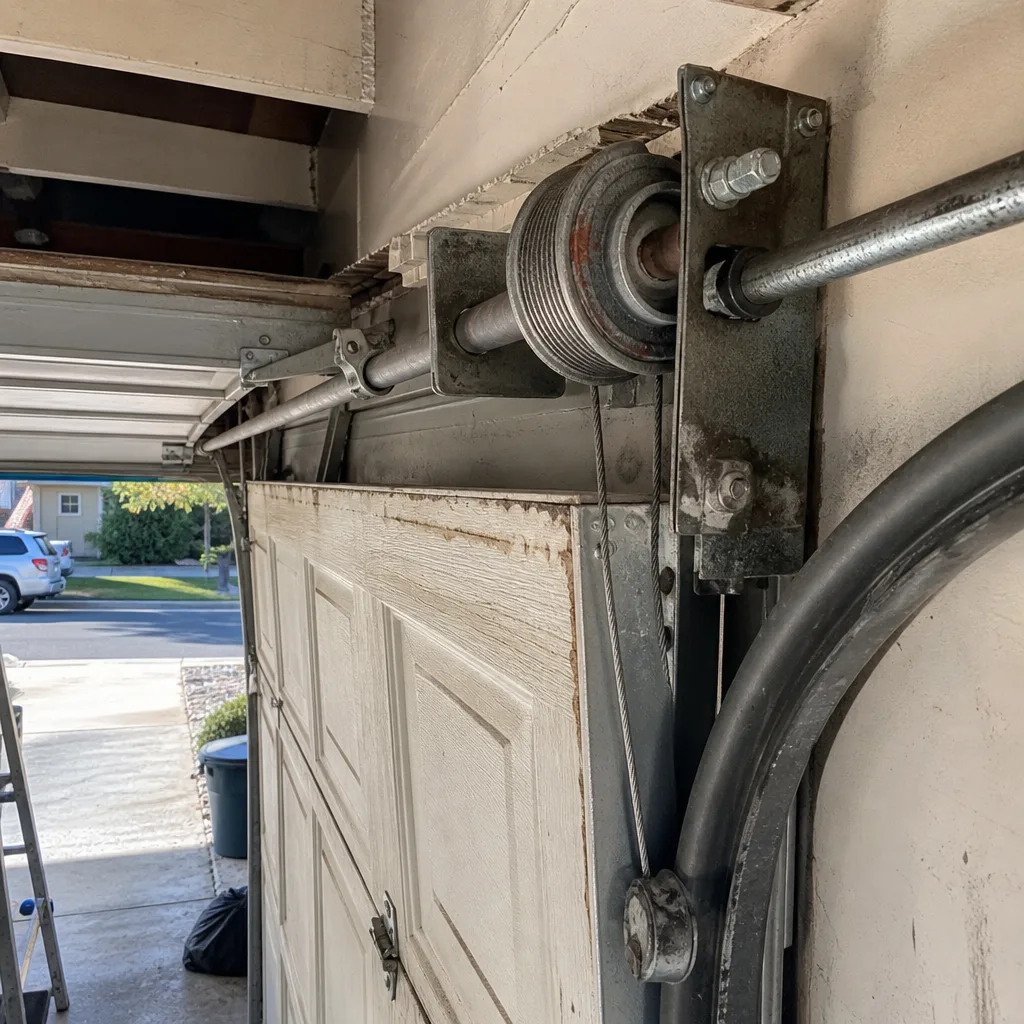 Before
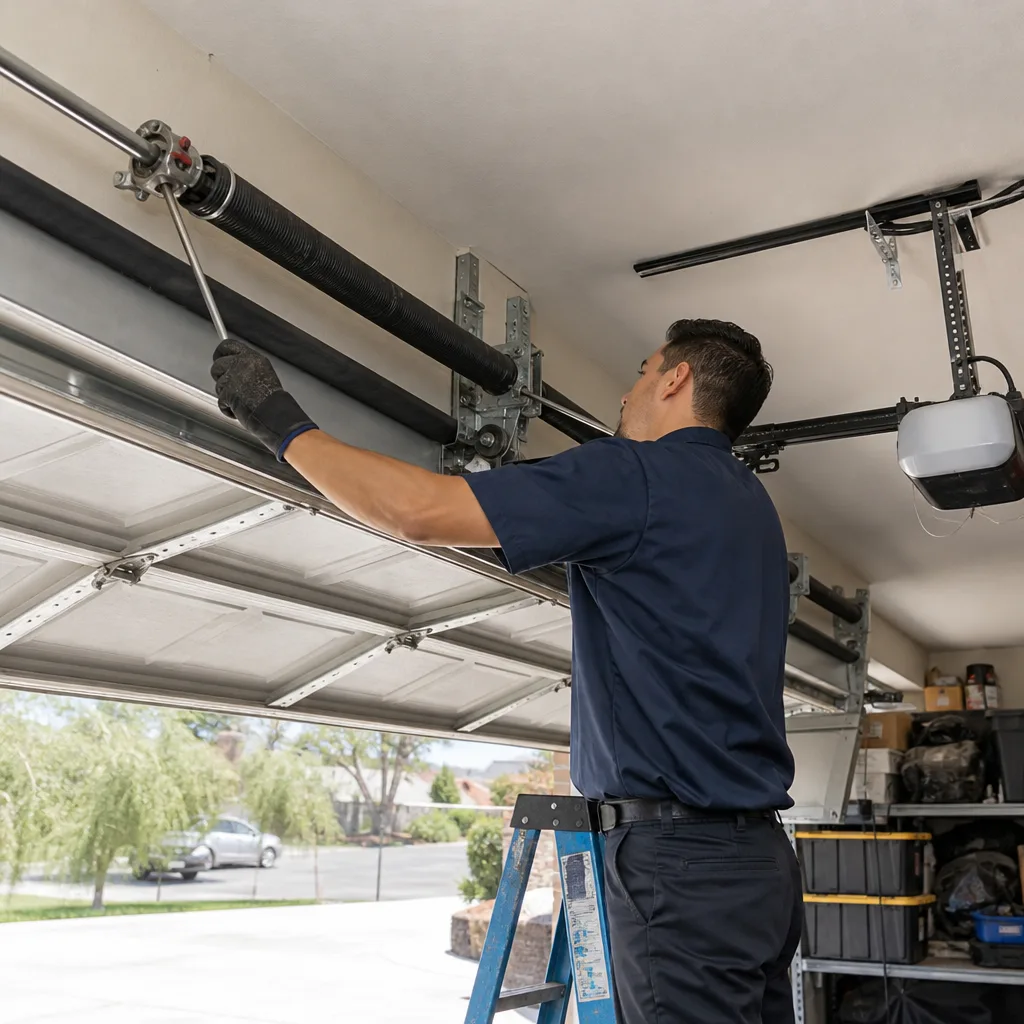 After
AfterThe Complete Garage Door Cable Repair Guide for Los Angeles Homeowners
A cable rated for 10,000 cycles can fail in three years in a Marina del Rey garage and last fifteen in the Midwest. Salt air, heat expansion, and a housing stock that predates modern door standards change the math on cable wear, and most cable repair guides you’ll find were written for places that don’t have Los Angeles conditions. This guide covers what actually happens to garage door cables here, what a proper repair includes, what it should cost, and how to avoid the single-cable patch job that fails within months.
Quick Answer
Garage door cable repair in Los Angeles typically costs $150 to $275 when both cables are replaced, and it should always include a drum inspection and bottom bracket check. A proper repair replaces both cables at the same time, takes a technician 60 to 90 minutes, and comes with a written guarantee. If you have a snapped cable, don’t try to open the door with the opener; call a qualified technician.
Table of Contents
- Why Garage Door Cables Fail Faster in Los Angeles
- Signs Your Garage Door Cables Are Failing
- What a Complete Cable Repair Actually Includes
- Los Angeles-Specific Cost Factors and Price Ranges
- Los Angeles Code and Permit Context for Cable Repairs
- How to Read a Written Estimate for Cable Repair
- Cable Maintenance That Extends Service Life in Los Angeles
Why Garage Door Cables Fail Faster in Los Angeles
Garage door cables are the braided steel wires that connect the bottom brackets of your door to the torsion spring drum assembly above. They bear the lifting tension every time the door moves. Their rated life assumes moderate temperature swings, low humidity, and standard door geometry. Los Angeles rarely honors those assumptions.
Coastal neighborhoods from Santa Monica to Palos Verdes expose cables to airborne salt and persistent marine humidity. Steel that lives in salt air oxidizes faster, and cables are made of stranded wire which creates thousands of tiny crevices where moisture collects. What starts as surface rust becomes a weak point under load, and that’s where cables snap.
The San Fernando Valley presents the opposite problem. Northridge, Van Nuys, Woodland Hills: summer temperatures routinely push past 90 degrees, and garage interiors trap that heat. Cable steel expands in heat and contracts at night, and over enough cycles that thermal cycling causes small fractures at stress points where the cable bends over the drum. We see drums in Valley garages with cable-embedded wear grooves that homeowners in milder climates never develop after fifteen years.
Hillside homes from Echo Park to Mount Washington add another variable: non-standard door heights. Many of these garages were built or modified to accommodate sloped terrain, which often means taller doors or unusual track angles. The cables are longer, the lift distance is greater, and the stress per cycle is higher than standard 7-foot door hardware was designed for.
Pre-1980 housing stock compounds all of this. Much of Los Angeles was built before standard torsion spring and cable routing configurations became the norm. Those older systems use drums with different groove profiles, bottom brackets with different locating features, and occasionally cable lengths that don’t match any modern parts catalog. A technician who doesn’t recognize an older Clopay drum from the 1970s will install a mismatched replacement and the door will eat the new cable within a year. If you’re searching for garage door cable repair in Los Angeles, you want someone who has seen those older setups, not a first-timer with a generic parts truck.
Signs Your Garage Door Cables Are Failing
Cable failure rarely happens without warning. The problem is that most homeowners don’t know what the warning signs look like until the door is already misbehaving. Here’s what to watch for:
- Visible fraying: Run your eyes along both cables. If individual wire strands are separating anywhere along the length, especially near the bottom bracket or the drum, the cable is on its way out. This is the most reliable early indicator.
- The door hangs unevenly: A partially stretched cable changes the tension balance, and the door will visibly tilt in the opening. One side will sit an inch or two below the other when partially open.
- Grinding or scraping during operation: When a cable starts to unravel, the loose strands scrape against the track or the drum as the door moves.
- Visible rust or corrosion: In coastal Los Angeles neighborhoods, rust on cables is a red flag even before fraying starts. Rust alone doesn’t mean immediate failure, but combined with any sharp kink or bend, it’s a sign to replace.
- Jerky door movement: A cable that’s beginning to bind on the drum causes the door to stutter or jump during opening and closing.
If you see fraying or uneven movement, stop using the door until someone looks at it. A cable that fails while the door is moving can drop the door abruptly and unpredictably.
What a Complete Cable Repair Actually Includes
Here’s the thing most cable repair guides won’t tell you: replacing one cable is a temporary fix. When one cable fails, its partner has been carrying the same load for the same number of cycles and is usually in nearly identical condition. It will fail soon, and when it does, the door jams again and you’re paying for a second service call.
A complete cable repair involves several steps:
- Both cables replaced: Always. New cables on both sides restore balanced tension and predictable wear patterns.
- Drum inspection: The technician examines both drums for wear grooves, sharp edges, or deformation. A worn drum will destroy a new cable in months, and in our experience, this is the most commonly skipped step in budget cable repairs. Damaged drums get replaced or refinished at the same visit.
- Bottom bracket check: The bottom brackets anchor the cables to the door. Bolts back out, brackets crack, and mounting points oval out on older doors. Every one of these gets inspected and corrected.
- Cable tension calibration: New cables require precise tension adjustment so the door lifts evenly. This is measured, not guessed at.
- Track alignment verification: A misaligned track puts side-load on the cables and accelerates wear. The technician checks both tracks and makes any needed corrections.
- Cycle test: The door runs through several full open-and-close cycles under load to confirm smooth operation and even tension.
Our technicians work on eight major brands including Chamberlain, Genie, Clopay, and Amarr, and the repair approach is tailored to the specific hardware on your door, not a generic workaround. A technician who knows a Genie drum’s groove profile from an Amarr one is the difference between a repair that lasts a decade and one that fails on the first hot day.
Los Angeles-Specific Cost Factors and Price Ranges
Cable repair pricing in Los Angeles runs higher than the national average, but not for the reasons you might expect. Labor rates in Los Angeles are competitive with other major metros. The difference is parts availability for older systems and travel time.
Here are the realistic price ranges for cable-related work in Los Angeles as of this writing:
- Single cable replacement: $90 to $150. We don’t recommend this as a standalone repair; the paired cable will need replacement shortly after.
- Both cables replaced, standard 7-foot door: $150 to $225. This includes drum inspection and adjustment, bottom bracket check, tension calibration, and a full cycle test.
- Both cables plus drum replacement (one or both drums): $250 to $375 depending on drum type and door weight class.
- Cable plus bottom bracket replacement: $180 to $280 depending on bracket configuration and whether the door is reinforced or standard.
- Non-standard door heights or older pre-1980 configurations: $200 to $350. These require custom cable lengths or retrofit hardware, and the labor time is longer.
Neighborhoods like Brentwood, Cheviot Hills, and parts of Pasadena with older homes are more likely to fall into that last category. The cable may need to be cut to length on site from bulk stock when a pre-made cable doesn’t match the door’s original spec.
At Brock Garage Door Repair, the price for your cable repair is written down and handed to you before any work starts. The number on the invoice matches the number you approved. No verbal estimates that drift upward once the door is apart. That approach is part of The Garrison Standard, and it’s the reason we can hand you a written price with a straight face. For exact pricing on your door, call Brock Garage Door Repair at (254) 602-5116 and a live person will answer, any time of day.
Los Angeles Code and Permit Context for Cable Repairs
Most garage door cable replacements in Los Angeles do not require a permit. Cable replacement on an existing door is considered a routine repair under the California Residential Code and the Los Angeles Department of Building and Safety practice. But there are situations where a cable job surfaces broader compliance issues:
Cable replacement does not trigger a requirement for updated hardware by itself. However, if the technician finds that the door’s spring system, track hardware, or safety reversal components are not compliant with current California Building Standards Code, a responsible technician will flag it. Specifically:
- Pre-1993 garage door openers without a safety reversal sensor (the photo eye) are not compliant. If your cable replacement reveals an opener this old, you should know about it regardless of whether the cable job can proceed.
- Doors that have been modified with non-standard extension springs in place of torsion springs may create cable routing challenges that put the repair at odds with manufacturer specifications.
- In earthquake retrofit work common to older Los Angeles homes, garage door modifications sometimes changed the door’s weight or track geometry. If bolts and brackets were moved, cable parts for the door’s original build may no longer be correct.
None of these mean a cable repair can’t be done. They mean the technician needs to identify what’s actually on the door before ordering parts or cutting cable. That’s what a proper inspection is for.
How to Read a Written Estimate for Cable Repair
A written estimate for cable repair should itemize the work so you can compare bids on equal terms. If a competitor gives you a single number with no breakdown, ask for one. Here’s what a complete cable repair estimate in Los Angeles should list:
- Two cables: Explicitly stated, not implied. If the estimate lists a quantity of one, ask why.
- Cable type and length: Standard 7-foot or a custom length for a non-standard door. The cable diameter and strand count matter for door weight class.
- Drum inspection and condition report: The estimate should state whether drums are being inspected and what happens if they’re found worn. Is drum replacement included in the quote or quoted separately if needed?
- Bottom bracket inspection and torque: Same deal. Inspection is the minimum; the estimate should state that bracket bolts are re-torqued or replaced if loose.
- Labor time: A proper two-cable repair with drum and bracket checks takes 60 to 90 minutes. If someone quotes you 20 minutes, they’re skipping steps.
- Disposal of old parts: Usually included. If it’s a line item with a charge, that’s unusual for Los Angeles.
- Guarantee terms in writing: The length, what it covers, and how you initiate a claim. Verbal guarantees don’t exist. We put our guarantee in writing on every repair: 365 days, if it fails we return at no charge.
One more thing that belongs in this comparison: ask whether the same technician who quotes the job is the one doing the repair. In Los Angeles, some companies send out a commissioned estimator who quotes the job and then hands it off to someone else. At Brock, the tech who arrives is the one who does the work. They’re background-checked, uniformed, and they’re the one who will answer questions about the repair.
Cable Maintenance That Extends Service Life in Los Angeles
You can’t stop Los Angeles conditions from acting on your garage door cables, but you can slow the damage. Here’s what works, in order of impact:
- Annual lubricant application to the drum and cable contact points: Use a silicone-based garage door lubricant. One light application per year at the drum keeps the cable from grinding against a dry surface. Buy it at any hardware store. Takes five minutes.
- Visual inspection every quarter: Look at both cables with a flashlight. Check for fraying, especially within six inches of the bottom bracket. Check for rust in coastal neighborhoods.
- Keep the door balanced: A door that’s out of balance puts uneven load on the cables and accelerates wear. Test it by disconnecting the opener and lifting the door manually. It should stay put at mid-height. If it falls or rises, the springs need work, and that’s a separate conversation with a technician.
- Clean the tracks: Debris in the track increases side-load on the cables. In particular, leaves from jacaranda and eucalyptus trees that are everywhere in Los Angeles work their way into tracks and cause uneven drag. One minute per month with a brush is plenty.
- Don’t ignore a scraping sound: That’s the cable telling you it’s on borrowed time. Every week you wait, the bill goes up and the odds of an inconvenient failure go up with it.
A note of caution: garage door cables run under enormous tension. The torsion spring above your door is the most dangerous component in the whole system. We do not recommend that any homeowner attempt to adjust, re-route, or replace cables themselves. The risk of serious injury from a spring that releases unexpectedly is real, and it’s not worth the cost difference. Watch, maintain the lubricant and the tracks, and call a trained professional when the cable itself needs work.
Common Mistakes to Avoid
- Replacing only the snapped cable: The other cable has seen the same cycles and the same Los Angeles air. You’ll be back in a few months paying another service fee. Replace both.
- Skipping the drum inspection: A worn Genie drum with a sharp groove edge will shred a new cable in under a year. If the technician doesn’t mention drums, ask.
- Using the opener after a cable snaps: A single intact cable under opener power will pull the door up unevenly and can drop it hard. That’s a fast route to a bent track and a bigger bill.
- Accepting a verbal price: If the quote is only spoken, the invoice can be anything. In Los Angeles, a written price before work starts is standard practice among reputable shops, and it should be yours too.
- Ignoring bottom bracket play: Loose bracket bolts cause micro-movements that fatigue the cable at the attachment point. It looks fine until it doesn’t, and it usually fails on a day you actually need the car.
- Opting for the cheapest quote without comparing line items: The $120 cable job that skips drum inspection and replaces one cable is not cheaper than the $225 repair that replaces both cables and checks the entire lifting assembly. It’s a smaller number on a worse repair.
- Waiting for a convenient time to fix a frayed cable: The cable doesn’t care about your schedule. When it goes, the door is either jammed shut or falling open, and you’re paying emergency rates. You can schedule the repair on your timeline now, or on the cable’s timeline later.
When to Call a Professional
Call a technician when you see fraying, when the door hangs unevenly, when the cables look rusty in a coastal neighborhood, or when the door bangs hard on the way down after years of smooth operation. Any of these means the lifting system is compromised, and the repair cost only goes up from here. A professional can inspect the entire cable, drum, spring, and bracket assembly in one visit and tell you exactly what’s failing and what isn’t. For answers now, Brock Garage Door Repair offers free estimates in Los Angeles; call (254) 602-5116 and a real person answers, any hour, any day. For broader service details, see our Garage Door Repair in Los Angeles page or our Garage Door Opener Repair in Los Angeles page.
Frequently Asked Questions
Our Garage Door Cable Repair services in Los Angeles typically run $150 to $275 when both cables are replaced with a drum inspection included. Single-cable replacement runs $90 to $150, but it’s a partial repair that usually needs completion within a few months. Call (254) 602-5116 for an exact quote; it’s written down before any work starts and it doesn’t change at the door.
Most cable repairs are completed in a single visit, and Brock Garage Door Repair schedules cable work every day in Los Angeles. The repair itself takes 60 to 90 minutes once the technician arrives. Call (254) 602-5116 to get on the schedule; a live person answers around the clock.
A proper cable repair replaces both cables, inspects both drums for wear, checks and re-torques the bottom brackets, calibrates cable tension, verifies track alignment, and runs a full cycle test. Anything less is a partial repair that will come back.
Salt air and marine humidity accelerate corrosion on the steel strands that make up garage door cables. Stranded wire has thousands of tiny crevices where salt moisture collects, and that oxidation creates weak points that fail under lifting tension.
No. Routine cable replacement on an existing door is a repair, not an installation, and it doesn’t require a permit under Los Angeles building practice. However, a responsible technician will flag any non-compliant hardware, like a pre-1993 opener without photo-eye safety sensors, so you can address it separately-see The Complete Garage Door Opener Repair Guide for Los Angeles Homeowners for more on opener safety.
Not with Brock Garage Door Repair. The written price is handed to you before work begins, and if an unexpected condition is found mid-repair, the technician discusses it with you and gets your approval before doing anything beyond the quoted scope. The number on the invoice matches the number you approved.
The Bottom Line
Los Angeles conditions shorten garage door cable life in ways that national averages don’t account for. Coastal corrosion, Valley heat, and the older housing stock that fills this city’s neighborhoods mean cable problems show up earlier and fail harder here. The right repair replaces both cables, inspects the drums and brackets, and comes with a written price and a written guarantee. The wrong repair replaces one cable, skips the drum check, and fails again in months. This city has more than enough contractors who will deliver the second option. We’d rather deliver the first.
Written by Wade Mercer, Owner at Brock Garage Door Repair, serving Los Angeles since 2001. Explore more guides & resources on our blog.