
Last updated October 9, 2026
Full 25-point door and opener safety check with every visit - springs, cables, rollers, tracks, and your LiftMaster or Chamberlain opener included
You get a price before we start. It does not change when the truck arrives.
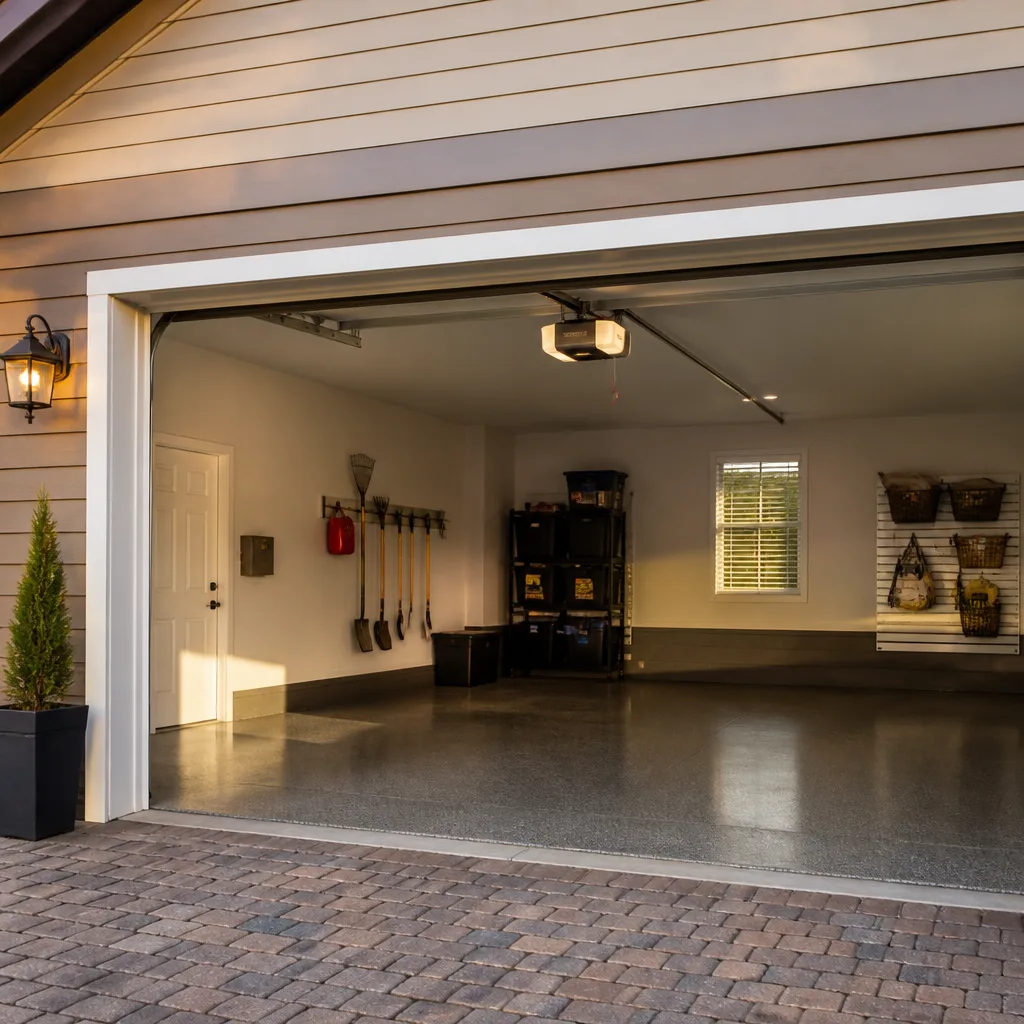
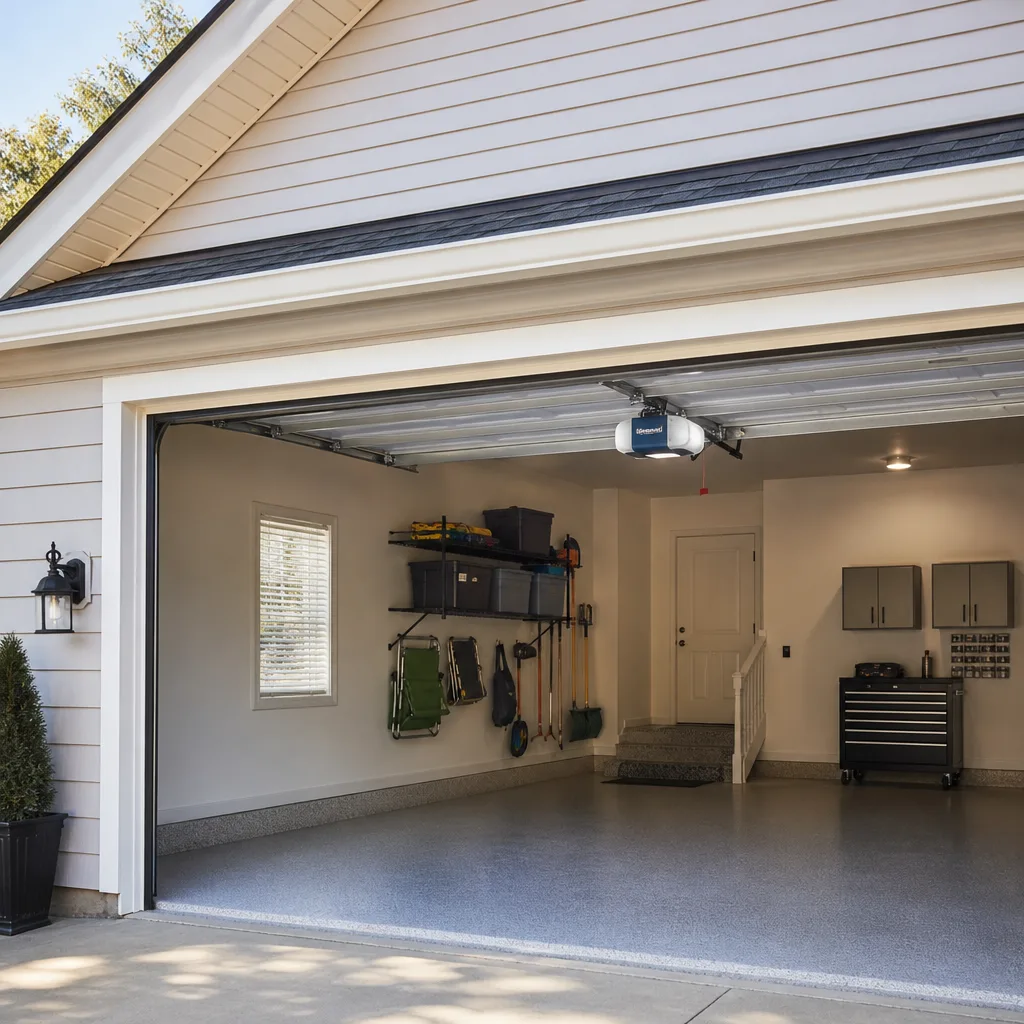
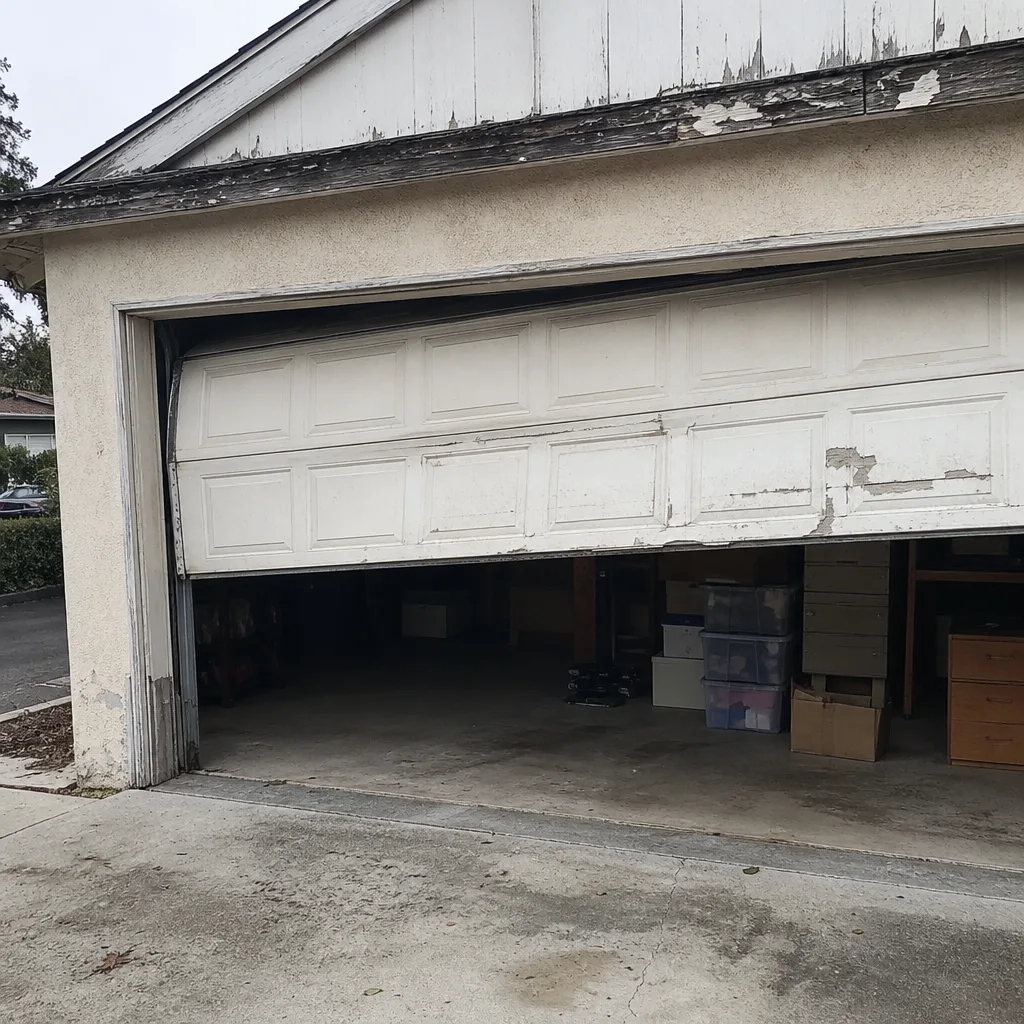 Before
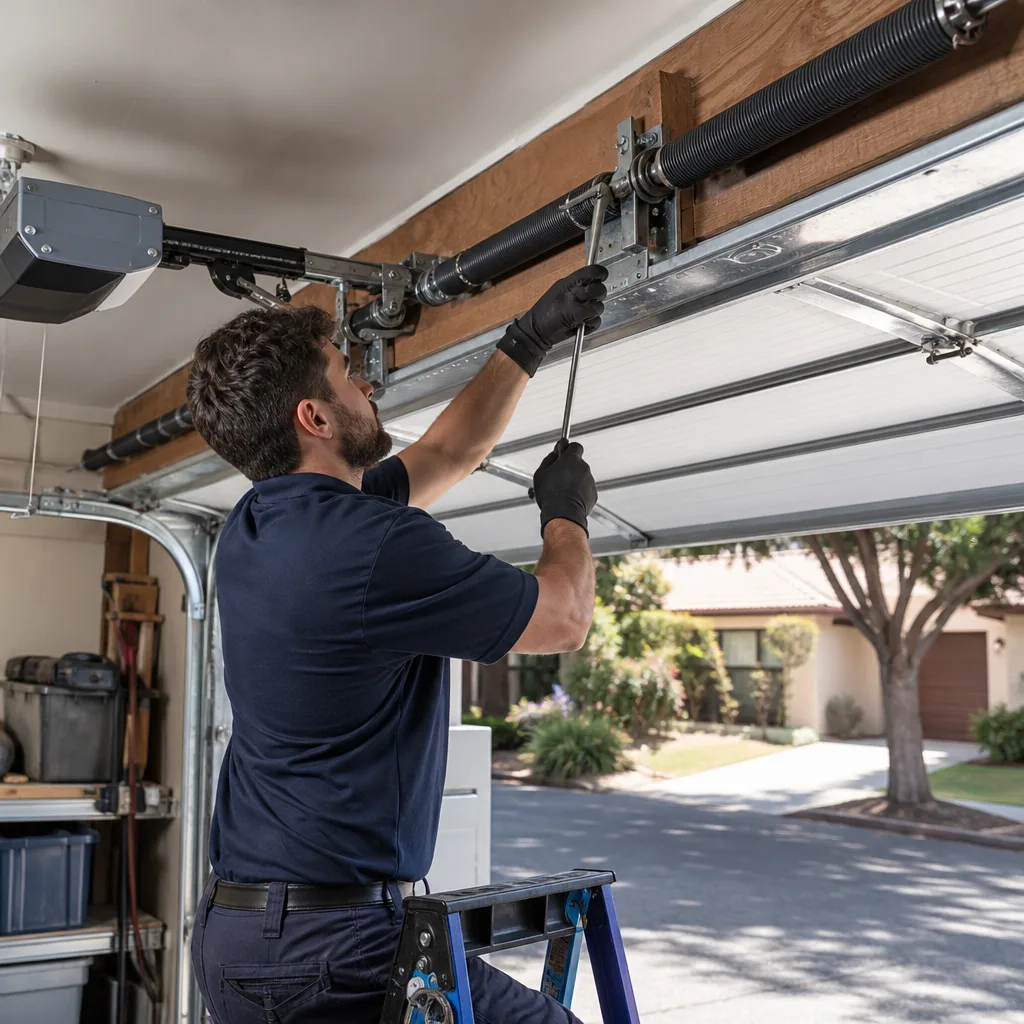 After
After Before
 After
After Before
 After
AfterThe Complete Garage Door Opener Repair Guide for Los Angeles Homeowners
In Los Angeles, the garage door is the front door. Roughly 70% of LA homeowners enter through the garage every day, which means your opener cycles two to three times more often than the national average. That usage pattern changes the math on when it wears out, what breaks first, and whether a repair or a replacement makes sense. We wrote this guide to give you the real numbers, the failure patterns we see across LA neighborhoods, and the specific questions you should ask any technician before they touch your system. Most guides on this topic are written for a two-car suburban household in Ohio. For The Complete Guide to Garage Door in Los Angeles, yours needs to reflect how a garage here actually lives.
Quick Answer
Our Garage Door Opener Repair services in Los Angeles typically cost $145 to $385 depending on whether the failure is a gear, a logic board, a capacitor, or a sensor alignment. Most repairs take under two hours once the technician is on site, and the parts for LiftMaster, Chamberlain, and Genie are generally available same day across the LA metro. If your opener is more than 12 years old, a repair may still make sense if the motor and rail are in good condition, but if the logic board has failed, replacement is often the more honest recommendation.
Table of Contents
- How a Garage Door Opener Actually Works
- Why LA Homes Wear Openers Out Faster
- Power Grid Fluctuations and Logic Board Damage
- Repair vs. Undersized: Two Different Problems
- California Title 24 and Battery Backup Requirements
- Logic Board Replacement vs. Full Unit Replacement
- Which Opener Brands Have Local Parts in Los Angeles
- What Repairs Actually Cost in Los Angeles
- Common Mistakes to Avoid
- When to Call a Professional
- Frequently Asked Questions
How a Garage Door Opener Actually Works
Your opener is a small motor mounted to the ceiling of your garage. It pulls a trolley along a rail, and that trolley is connected to the door by a curved arm. When you press the remote or the wall button, the motor spins a gear, the trolley moves, and the door travels up or down. Three things do almost all of the work: the motor, the drive gear, and the logic board. The logic board is the brain. It receives the signal from your remote, tells the motor to run, checks the safety sensors, and stops the door when the travel limit is reached. When the board fails, nothing happens, or the door runs for a second and stops, or the opener starts on its own, which is a serious safety concern we will address later.
Most residential openers in LA fall into one of three drive types. Chain drive is cheapest and loudest, but the metal chain rarely fails. Belt drive is quieter, common in homes where the garage sits below a bedroom. Screw drive was popular in the 90s and early 2000s, and the plastic drive coupler on these units is a frequent failure point, especially in coastal neighborhoods where humidity gets into the works. The two highest-wear components we replace on LA opener calls are the drive gear and the logic board. Gears strip after years of daily cycles. Boards fail from heat, voltage spikes, or moisture. We’ll get into each.
Why LA Homes Wear Openers Out Faster
An opener spec sheet assumes four cycles a day. That means the door goes up once in the morning, down once in the morning, up once in the evening, down once in the evening. Two vehicles, two people, standard suburb. Los Angeles is not that. If you have a household with two cars, a kid who walks or bikes, a gardener on Monday, a house cleaner on Thursday, and the occasional Amazon delivery stuffed into the side door, that opener can easily run ten to fourteen cycles a day. Over a year, that’s 3,650 to 5,110 cycles. The industry lifespan assumption is about 10,000 cycles. Do the math. What the manufacturer rates as a ten-year opener is a three-year opener in an active LA household.
We also see a secondary pattern. Homes built before the 1980s in neighborhoods like Eagle Rock, Highland Park, and parts of the Valley often have solid wood doors that have absorbed decades of moisture and gained weight. The original door may have been fine at 180 pounds. The same door, water-logged and painted over five times, can weigh 260 or more. The opener is still the same half-horsepower unit the builder installed. That mismatch shows up as a burned-out motor, a stripped gear, or a door that reverses for no reason. The opener didn’t fail because it was cheap. It failed because it was undersized for what the door became.
Power Grid Fluctuations and Logic Board Damage
The power supply in Los Angeles is not always clean. Summer afternoons bring rolling conservation events. Transformers in older neighborhoods like West Adams and Boyle Heights run hot when every house on the block has the AC at full tilt. Voltage sags, then spikes back when load shifts. Electronics hate that. The logic board in your opener is a small computer with capacitors and microprocessors. It is designed for 120 volts. When the line voltage dips to 90 and then jumps back to 125 in the span of a minute, those capacitors absorb the stress, and over time they degrade. We’ve opened panels on three-year-old openers in the Valley and found boards that look like they’ve been through a decade of service.
This matters for two reasons. First, a failing board does not always die all at once. It starts glitching: the remote works sometimes, the wall button works sometimes, the door opens but won’t close, or the opener runs for two seconds and shuts off. Homeowners replace remotes, change batteries, reprogram the keypad, and the problem keeps coming back, because the board is the component slowly giving up. Second, the fix is not just replacing the board. If the house has dirty power, the new board will die the same way. The proper repair includes installing a surge protector rated for motor loads, at least 600 joules, mounted at the outlet where the opener plugs in. Any technician who replaces a logic board without checking the supply voltage and recommending surge protection is setting you up for a repeat failure.
Repair vs. Undersized: Two Different Problems
Here is a distinction that almost no home guide makes, and it is the difference between a $200 repair and a $500 replacement. A garage door opener can fail for one of two reasons. Either a component broke, which is repairable, or the opener was never strong enough for the door it is lifting, which is not. The symptoms look similar. A door that stops halfway up. A motor that groans. A trolley that jerks. The question is whether you are fixing a failed part or compensating for a design mismatch.
- Weigh the test without scales. Pull the release handle and open the door by hand. A properly balanced door should lift smoothly with one hand and hold itself open about waist high. If the door is heavy, the springs are shot or undersized, and no opener repair will fix that.
- Listen during travel. A straining motor on a door that moves freely is a motor or gear problem, which is repairable. A straining motor on a door that is also stiff by hand is a load problem, which is a spring and opener sizing issue.
- Check the opener’s horsepower rating. Half horsepower openers work for aluminum and steel doors under 200 pounds. If your door is solid wood or a heavy carriage style, the opener should be three-quarter or one horsepower. Running an undersized opener against a heavy door is like asking a small engine to haul a full trailer up the Grapevine every day.
If you have an undersized opener, the honest repair is a replacement with the correct power rating. We do not recommend hanging a larger motor on a door with failing springs, because the springs do the lifting and the opener does the moving. Fix the load first, then size the opener to the door.
California Title 24 and Battery Backup Requirements
California Building Energy Efficiency Standards, known as Title 24, changed the rules for garage door openers in attached garages. Since July 2019, any newly installed garage door opener in an attached garage in California must include a battery backup system. This is not optional. The intent is safety: during a power outage, you need to be able to get your car out of the garage, and during a wildfire evacuation scenario, a stuck garage door can trap a household. So if you are replacing an opener, not repairing it, the new unit must have battery backup, and the technician is required to install it to that standard.
This matters for repair decisions too. If your current opener predates 2019 and the logic board fails, you have a choice: replace the board for $180 to $280 and keep the old unit, or replace the entire opener with a Title 24 compliant model for $450 to $700. Both are legitimate. We tell LA homeowners to consider the opener’s age and the door’s condition. If the opener is over ten years old, putting a board into a unit that will need a motor or gear soon is false economy. But if the opener is five years old and otherwise solid, a board replacement is reasonable. The battery backup requirement applies only to new installations, so a board swap does not trigger it. That is a nuance worth knowing before a technician tells you that your board repair is “not legal anymore.”
Logic Board Replacement vs. Full Unit Replacement
This is where Los Angeles homeowners get upsold. We hear it from customers regularly: a technician arrives, looks at the opener, says the board is “fried,” and quotes a full replacement at $600. Sometimes that is true. Sometimes the board is repairable for a fraction of the cost, and the technician is incentivized to sell a new unit because the markup is higher. Here is how you verify the recommendation.
- Ask to see the board. A failed logic board often shows visible damage: a burn mark, a swollen capacitor, a cracked solder joint, or a discolored spot where a component overheated. If the technician says the board is dead but won’t open the housing and show you, that’s a red flag.
- Ask what the diagnostic code says. Modern openers from LiftMaster, Chamberlain, and Genie have diagnostic LEDs on the back that flash in specific sequences. A competent technician can tell you the code and what component it points to. “It’s just broken” is not a diagnostic answer.
- Ask for the board replacement quote separately. A logic board replacement on most common openers runs $180 to $280 including labor. A full unit replacement runs $450 to $800 depending on horsepower and drive type. If the board quote is mysteriously close to the replacement quote, something is off.
- Ask about warranty on the board. A new board from LiftMaster or Chamberlain carries a one-year manufacturer warranty. If a technician is not willing to warranty a board replacement, they may not be installing a genuine part.
The honest answer is sometimes still replacement. If the opener is old, if the motor is near the end of its life, or if the door force settings are maxed out, a new unit is the right call. But that decision should come from a technician who can show you the failed component and explain why repair is not the better route. At Brock Garage Door Repair, every diagnostic includes a written price for the repair option and an explanation of why replacement is recommended, when it is. You make the call with real information.
Which Opener Brands Have Local Parts in Los Angeles
Parts availability determines whether your repair is done same day or next week. In the LA metro, the distribution is uneven across brands. This comes from our own parts runs and supplier relationships, and it should factor into which opener you buy if you are replacing.
- LiftMaster and Chamberlain: Same-day parts availability across most of LA. The parent company, Chamberlain Group, has distribution centers in Southern California, and the common failure components; gears, logic boards, capacitors, sensors; are stocked at local suppliers from the Valley to Long Beach.
- Genie: Generally same-day for common parts in LA, though less consistent in the northern half of the metro. Logic boards for less common models may take one to two days.
- Craftsman: Variable. Older Craftsman units are rebadged Chamberlain and use the same parts, which are available same day. Newer low-cost Craftsman units from big-box retailers use economy components that suppliers do not stock, which means a two-to-five day ship time.
- Raynor and Clopay openers: Less common, smaller dealer network. Expect two to five days for nonstandard parts in Los Angeles. We service them, but homeowners should know the supply reality.
- Amarr and Wayne Dalton doors: These are door brands more than opener brands, though Wayne Dalton does make openers. Their opener parts are specialty order in most cases.
The practical takeaway: if you are buying a new opener for an LA home, LiftMaster and Chamberlain offer the strongest local parts support, which means shorter repair windows if something fails. That is not a sponsorship statement. It is what we see on the parts counter.
What Repairs Actually Cost in Los Angeles
Los Angeles pricing runs higher than national averages by roughly 15 to 20 percent, driven by commercial insurance, vehicle costs, and the distance a service truck has to cover across the metro. The numbers below are what we quote, and what honest competitors quote, for common opener repairs in the city.
- Sensor misalignment or replacement: $90 to $140. This is the most common opener call. The door won’t close, or reverses at the bottom. Usually a realignment, sometimes a new sensor pair.
- Drive gear replacement: $160 to $240. The plastic gear on older chain and screw drive units strips. The motor runs but the door doesn’t move.
- Logic board replacement: $180 to $280 including the part and labor. On LiftMaster and Chamberlain, the board is a plug-in swap. On older Genie and Craftsman units, expect the higher end of the range.
- Capacitor replacement: $80 to $130. The opener hums but won’t start. Common in Valley and Inland heat.
- Remote or keypad programming: $60 to $90, often included with a larger repair.
- Full opener replacement: $450 to $800 depending on horsepower, drive type, and battery backup requirement. Chain drive lands at the lower end, belt drive and higher horsepower at the upper end.
Every price above is a quote range, not a guess made after the job. The Garrison Standard, which Brock Garage Door Repair works to, means a written price goes in your hand before any work starts. The number you approve is the number on the invoice. If a covered repair fails within 365 days, we return and correct it at no charge, in writing. That is not a courtesy call. It is the warranty.
Common Mistakes to Avoid
- Replacing the remote first. If the wall button works but the remote doesn’t, the problem is not the remote; it’s the logic board receiver or the antenna. Homeowners waste $40 on a new remote, then call us anyway.
- Failing to clean the photo eye lenses before calling a tech. LA garages collect dust and spider debris. A quick wipe of the sensor lenses with a dry cloth solves what we estimate is 15 to 20 percent of “door won’t close” calls.
- Ignoring the opener’s force settings. When a door starts reversing for no reason, some homeowners or handyman services crank the force dial up to “fix” it. What that actually does is override a safety mechanism that detects obstruction. Now the door will close on a child or a pet and not stop. This is why force adjustments should be done by someone who knows the door’s balance and the safety standards.
- Allowing an undersized opener to stay in service. If your door is heavy and your opener is weak, the motor is burning out a little every cycle. The repair is inevitable. Sizing the opener correctly is cheaper than a motor replacement plus a door repair.
- Skipping surge protection in the San Fernando Valley or anywhere the summer grid strain is worst. A $35 surge protector prevents a $230 board failure. We install one on every board replacement we do.
- Not asking for a written price before work starts. Verbal estimates shift. A written price is a document. If a technician won’t hand you one, that is your signal to call someone else.
When to Call a Professional
Some repairs are simple. Cleaning sensors, realigning a remote, tightening a rail bolt. These are homeowner tasks. But when the failure involves the logic board, the motor, the drive gear, or any wiring tied into the safety sensor circuit, call a professional. A garage door weighing 150 to 300 pounds is under spring tension, and the opener is a motorized system connected to your home’s electrical. The wrong repair can leave you with a door that operates erratically or closes with unsafe force. If your opener has been struck by lightning, if the door starts on its own, if you smell burnt electronics, or if the door reverses unpredictably, stop using the wall button and unplug the unit. Brock Garage Door Repair offers free estimates across Los Angeles, and a live person answers the phone around the clock. Call (254) 602-5116 and describe what the opener is doing. We’ll give you a straight answer on the phone and a written price before any work begins.
Frequently Asked Questions
Most opener repairs in Los Angeles run between $145 and $385, with common jobs like sensor realignment at $90 to $140 and logic board replacement at $180 to $280. The exact cost depends on your opener’s brand, the failed component, and whether parts are available same day. Call (254) 602-5116 for an exact quote, estimates are free.
Yes, in most cases. LiftMaster, Chamberlain, and Genie parts are available same day across most of the LA metro, and our technicians carry the common failure components on the truck. If your opener is a less common brand like older Craftsman or Wayne Dalton, parts may take two to five days.
No. Brock Garage Door Repair puts the price in writing before any work starts. The number you approve is the number on the invoice. If the technician finds additional issues during the repair, those get a separate written approval before anything else is done.
Yes. Our service vehicles are stocked with the most common repair parts for LiftMaster, Chamberlain, and Genie openers: gears, logic boards, capacitors, sensors, and remotes. That means most LA calls are completed in a single visit.
If the opener is under ten years old and the motor is in good condition, repair is often the better value. If the opener is over twelve years old, if it lacks battery backup and the board has failed, or if the door has gotten heavier, replacement with a properly sized, Title 24 compliant unit is usually the more honest call.
Yes. Since July 2019, California Title 24 requires any new garage door opener installed in an attached garage to include battery backup. Repairs to existing openers do not trigger this requirement, which is why a logic board replacement on a five-year-old opener can remain legal and cost-effective.
The Bottom Line
Your garage door opener in Los Angeles works harder than the national average, and that reality should drive every decision you make about it. Know your door’s weight and your opener’s horsepower. Understand that power fluctuations in this city damage logic boards over time. Ask a technician to show you the failed part before you accept a replacement quote. Know that Title 24 means a new opener in an attached garage includes battery backup, but a board repair does not require it. And before anyone turns a single bolt, get the price in writing. If you want a straight answer from a Los Angeles company that works to The Garrison Standard, call Brock Garage Door Repair at (254) 602-5116. A live person will answer.
Written by Wade Mercer, Owner at Brock Garage Door Repair, serving Los Angeles since 2001.