
Last updated October 9, 2026
Full 25-point door and opener safety check with every visit - springs, cables, rollers, tracks, and your LiftMaster or Chamberlain opener included
You get a price before we start. It does not change when the truck arrives.
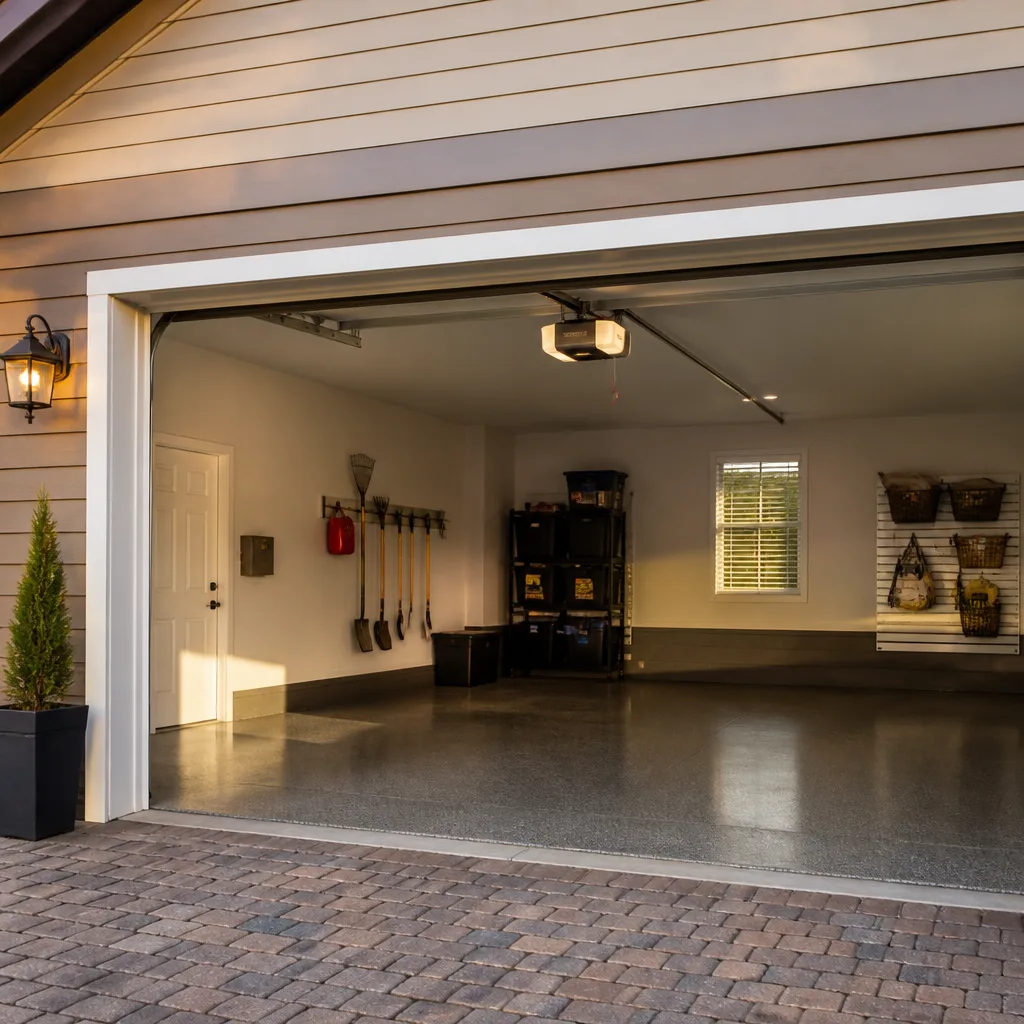
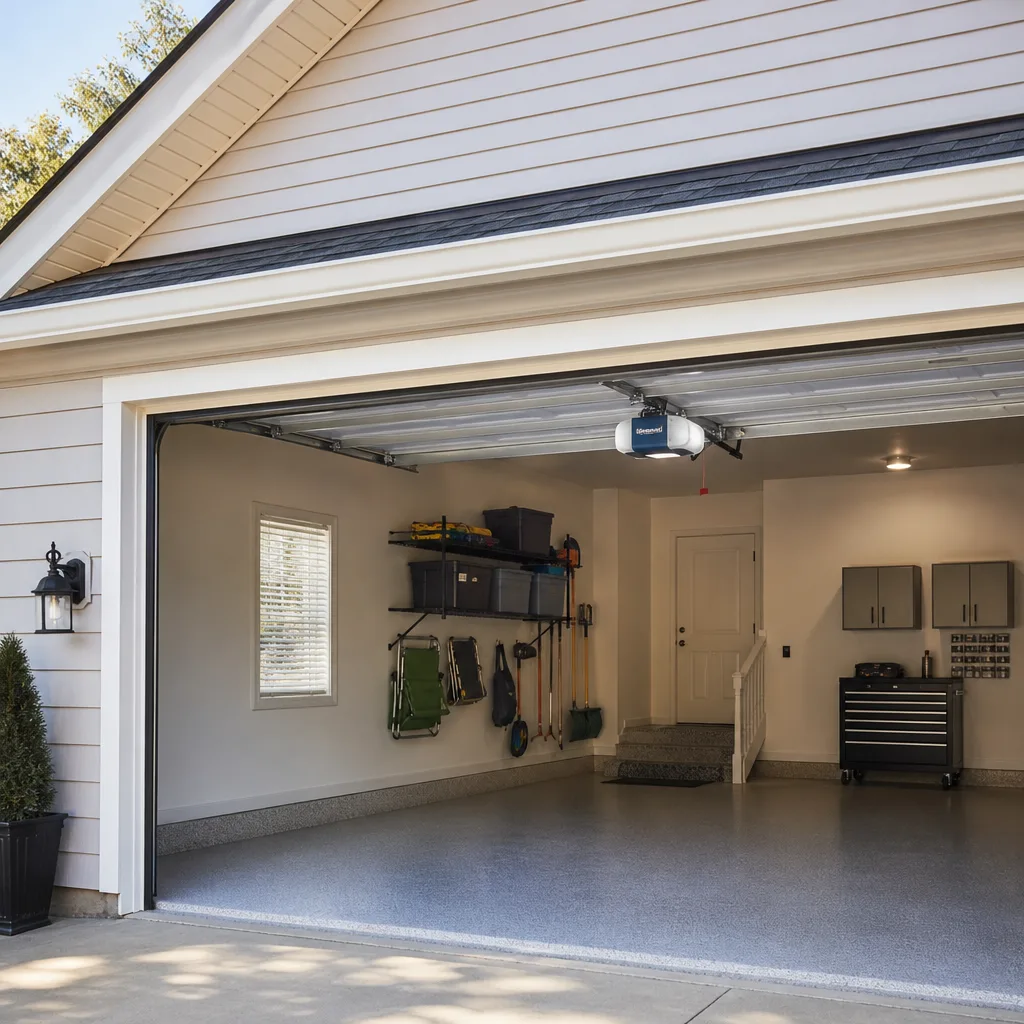
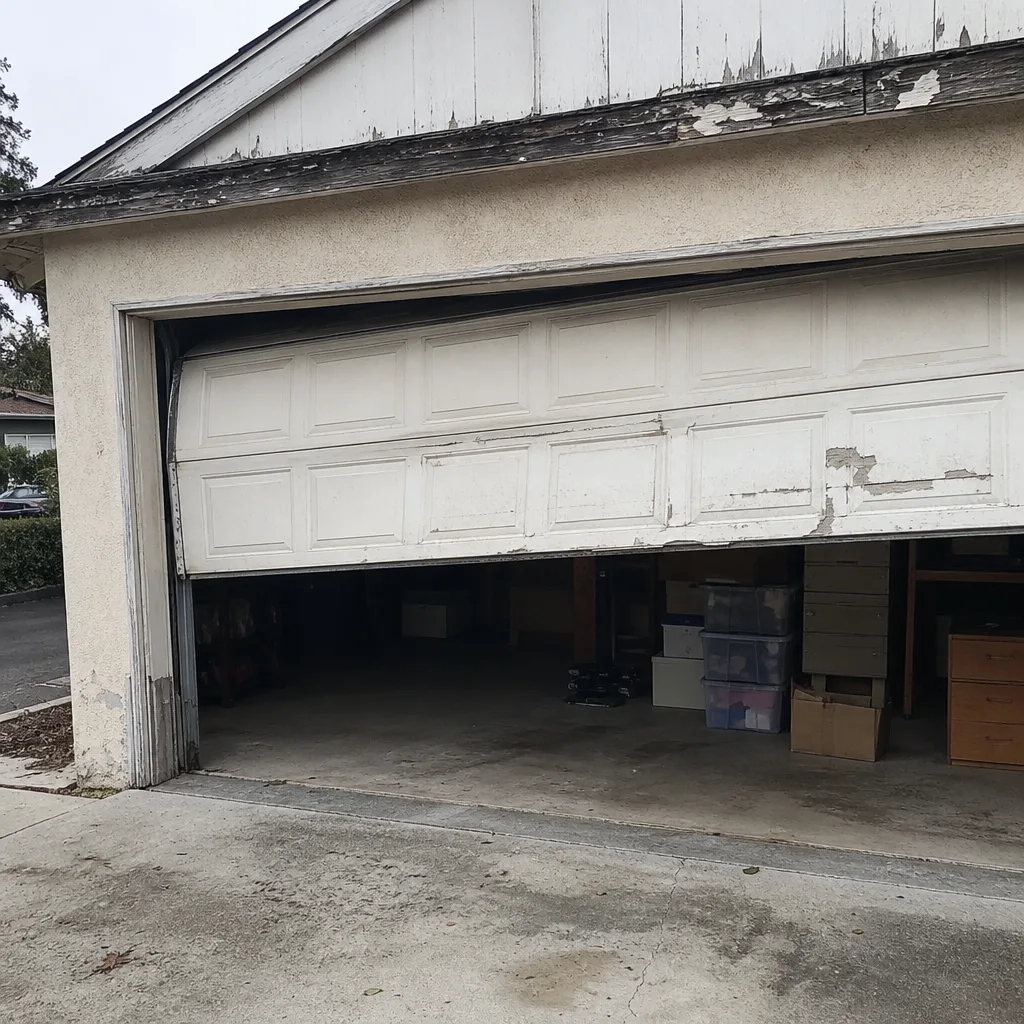 Before
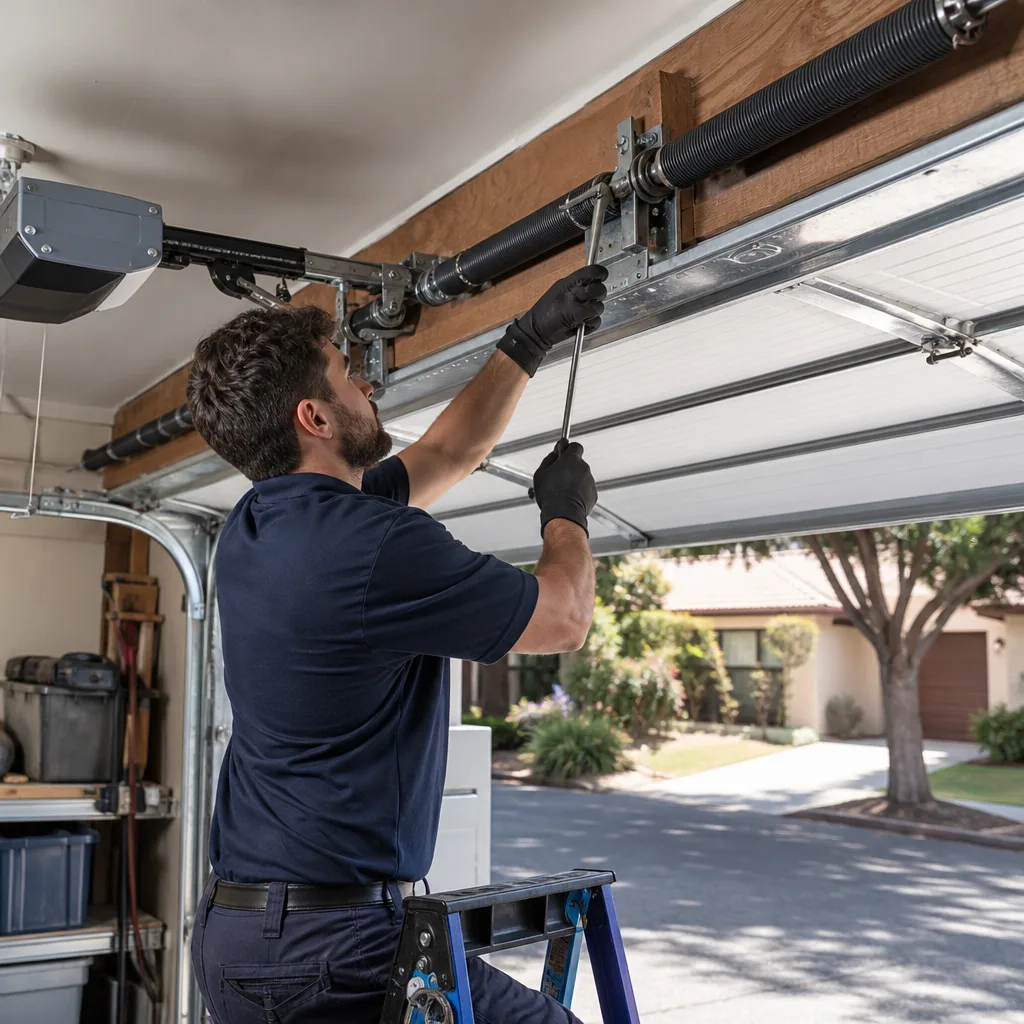 After
After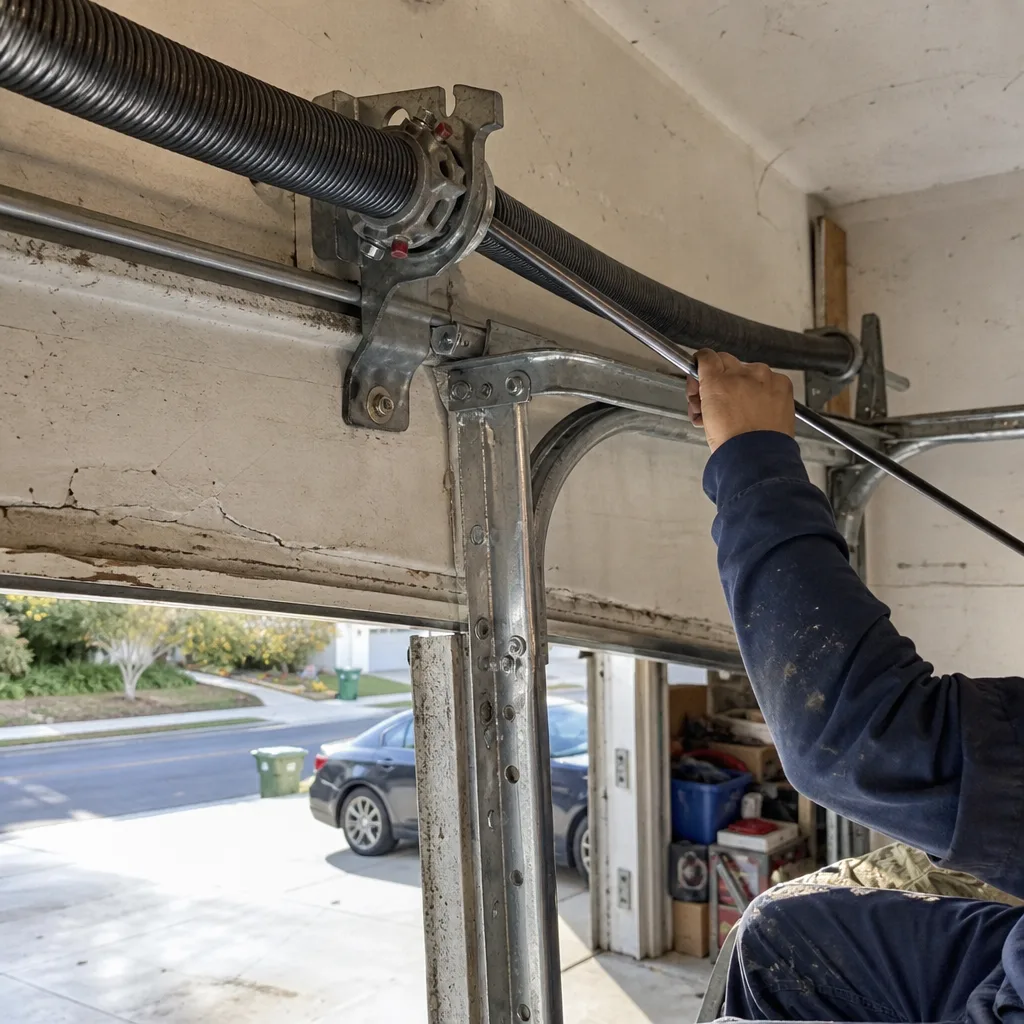 Before
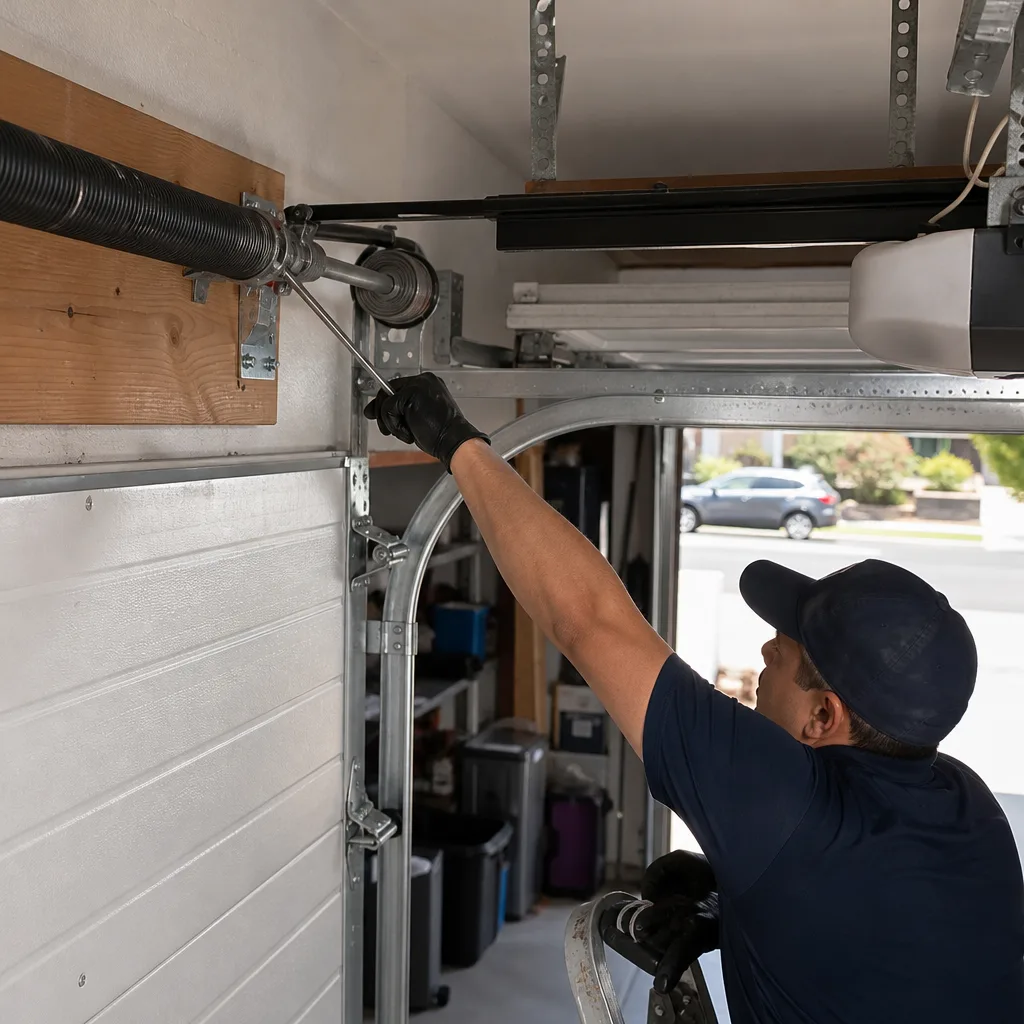 After
After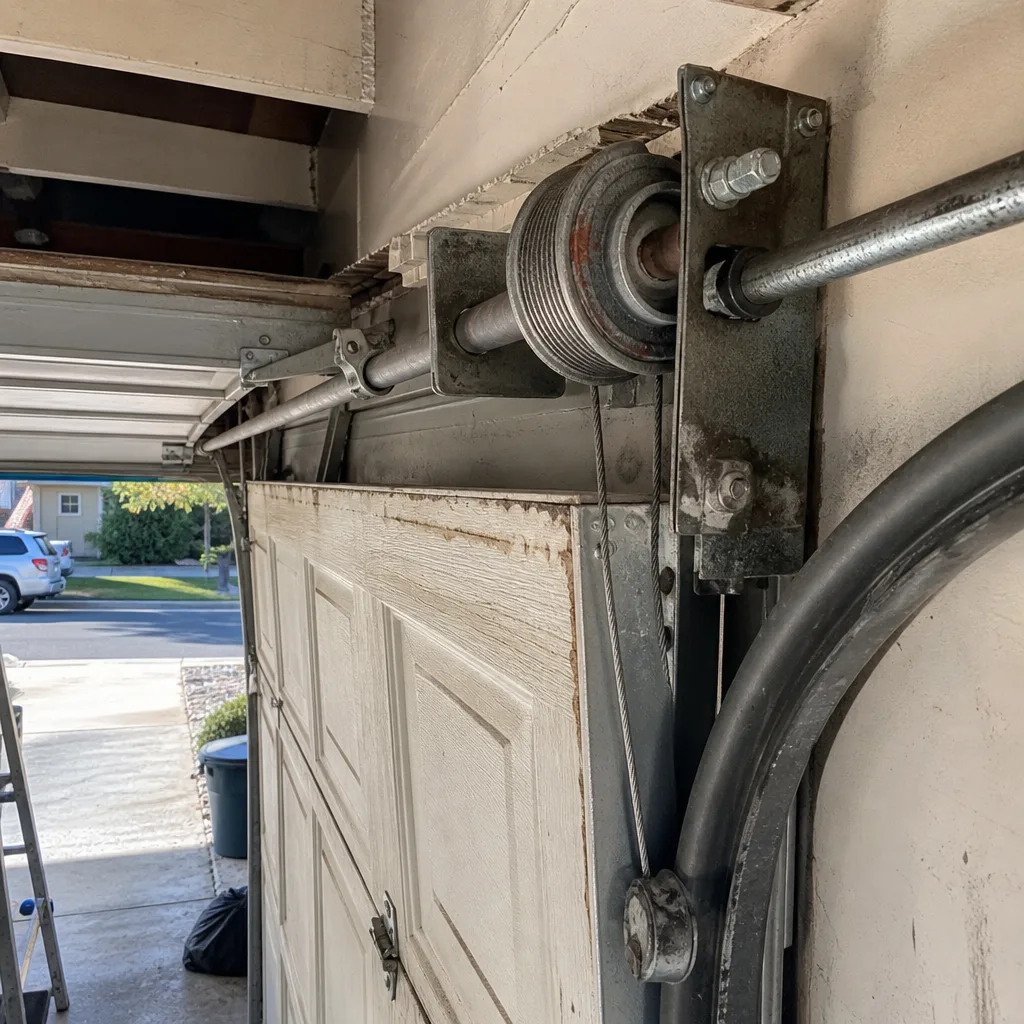 Before
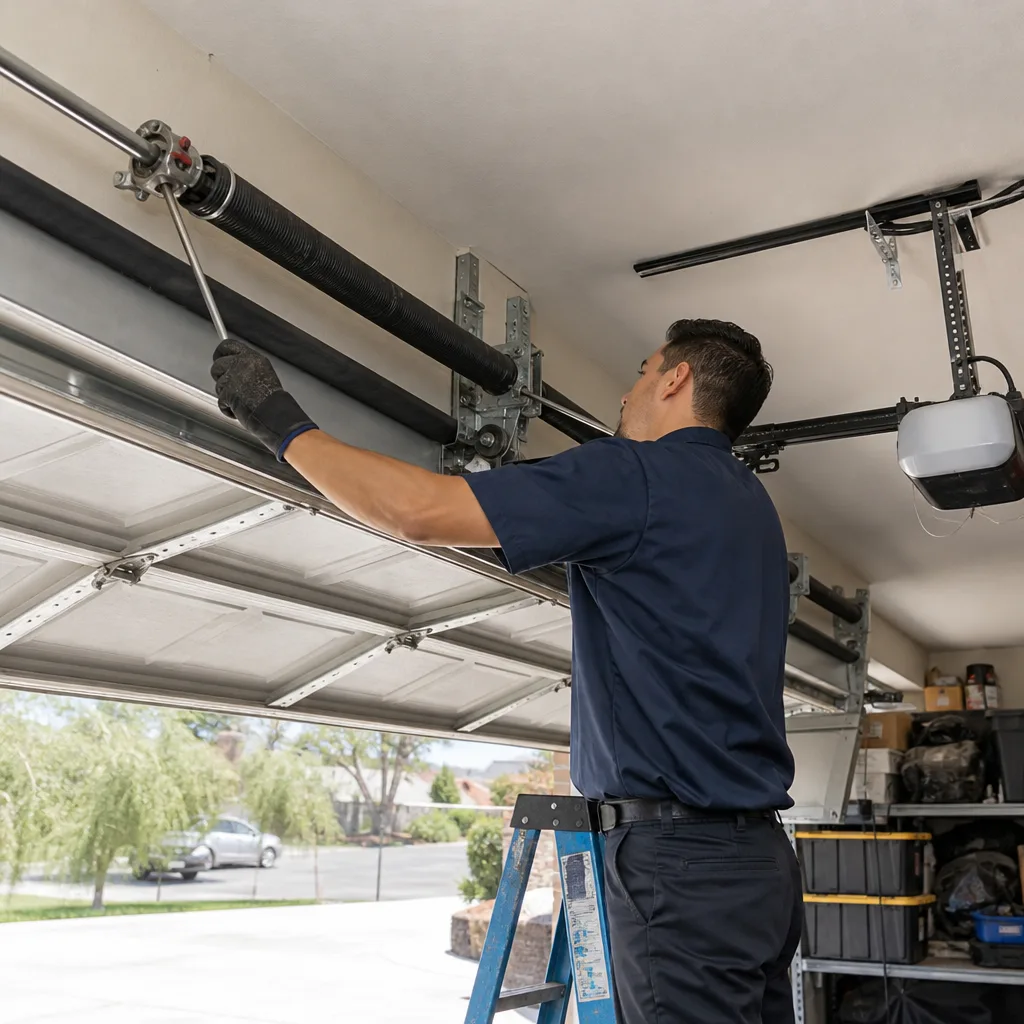 After
AfterGarage Door Permits, Codes & Inspections in CA: What You Need to Know
Most California homeowners assume a garage door swap is a permit-free job. That assumption is wrong more often than it’s right, and in Los Angeles the rules shift depending on whether you live in the city or in an unincorporated county pocket. What catches people off guard isn’t just the permit itself. It’s Title 24 energy compliance, which applies to garage doors in attached garages, and the fact that an unpermitted door can stall a sale when the home inspection flags it. We’ll walk through exactly when you need a permit, what the energy code requires, how seismic rules affect opener installation, and what to do if you inherit an unpermitted door. For Garage Door Repair Troubleshooting: Common Problems and How to Fix Them, see our dedicated guide.
Quick Answer
In California, you generally need a building permit when you replace an entire garage door in an attached garage, and in many Los Angeles jurisdictions even a detached garage door replacement requires one if structural work or new framing is involved. Repairs using existing parts, like spring and cable replacement, rarely require a permit. Title 24 energy standards also apply to garage doors in attached garages in most climate zones, including Los Angeles, which means the door must meet a minimum R-value or U-factor. Skip the permit and you may face a remediation order at escrow.
Table of Contents
- When a Permit Is Required in Los Angeles County vs. City of LA
- Title 24 Energy Compliance for Garage Doors
- Seismic Bracing Requirements for Openers and Header Brackets
- What Happens When Unpermitted Work Shows Up on a Home Inspection
- How to Request Proof of a Pulled Permit Before Work Starts
- The Inspection Process: What You Can Expect
- What Permits and Code Compliance Actually Cost in Los Angeles
- Common Mistakes to Avoid
- When to Call a Professional
- Frequently Asked Questions
When a Permit Is Required in Los Angeles County vs. City of LA
The single biggest source of confusion we see in Los Angeles is the difference between LA County rules and City of LA rules. They are not the same document, and the thresholds are not identical. If you live in the City of Los Angeles, the Department of Building and Safety (LADBS) governs your permit. If you live in an unincorporated area like parts of East Los Angeles, Altadena, or Marina del Rey, you follow LA County Building and Safety. Incorporated cities like Pasadena, Glendale, Santa Monica, and Long Beach have their own building departments with their own interpretations.
Under the California Residential Code (CRC), which LADBS adopts with local amendments, a building permit is required when you replace a garage door and any of the following apply:
- The door separates a garage from living space or conditioned space, which includes most attached garages in Los Angeles homes built after 1970.
- The replacement changes the size of the rough opening or requires new framing, trim, or structural support.
- The door is on a detached garage that is habitable, converted, or contains conditioned space above or adjacent to it.
- The project includes electrical work for a new opener circuit or the relocation of an existing opener.
- The door is part of a larger remodel that already pulled a permit.
In practical terms, if you live in the City of LA and your garage is attached to your house, a full door replacement almost always requires a permit. If your garage is detached and unconditioned, a simple door swap with no structural changes typically does not. LA County mirrors this but has historically been stricter about detached structures in unincorporated areas with hillside or fire zone overlays. We have seen homeowners in Topanga and La Cañada Flintridge get flagged for detached garage door replacements because the county classifies those zones as wildfire hazard areas with additional structural requirements.
The mistake people make is assuming a permit is only about the door. In most Los Angeles jurisdictions, the permit also triggers a check on the door’s energy rating, which is the part nobody tells you about until the inspector brings it up.
Title 24 Energy Compliance for Garage Doors
California’s Title 24, Part 6 energy code treats a garage door as part of the building envelope when it separates conditioned space from unconditioned space. In most Los Angeles climate zones (which range from 6 to 10 depending on how far inland you are), garage doors in attached garages must meet a maximum U-factor of 0.35, which translates to roughly an R-value of 4 or higher when accounting for air infiltration. That is a real threshold, not a suggestion, and it eliminates a lot of cheap uninsulated steel doors.
Here’s what the requirement actually means for a homeowner:
- U-factor vs. R-value: U-factor measures heat transfer. Lower is better. R-value measures insulation resistance. Higher is better. Title 24 sets the U-factor limit, but manufacturers often market doors by R-value. A door with an R-value of 6 to 9 typically meets the 0.35 U-factor requirement.
- Where it applies: Attached garages, garages below living space, and garages with conditioned rooms above them. If your Los Angeles home has a bedroom over the garage, the door absolutely must comply.
- Where it does not apply: Detached, unconditioned garages with no living space. If you have a standalone two-car garage with nothing above it, Title 24 does not require an insulated door.
- Documentation: The inspector may ask for the door’s NFRC (National Fenestration Rating Council) label or the manufacturer’s specification sheet showing the U-factor. Doors from Clopay and Amarr typically carry this documentation, which is one reason we prefer working with manufacturers who publish complete thermal performance data.
If you swap an attached-garage door for an uninsulated non-compliant model, you have created a code violation that a home inspector can flag at sale. We have worked with Los Angeles sellers who had to replace a two-year-old door because it failed the energy check during escrow. The remediation cost them the price of a second door plus a second permit.
Seismic Bracing Requirements for Openers and Header Brackets
California building code includes seismic provisions that out-of-state contractors routinely miss. The most commonly overlooked requirement involves the garage door opener’s header bracket and the rail support. In Los Angeles, opener rails must be securely fastened to the ceiling or to structural members, and the header bracket must be anchored to the wall framing, not just to the finish surface.
The specific code language lives in the California Residential Code’s section on garage door openers and in the manufacturer’s installation instructions, which are incorporated by reference into the permit. What this means in practice:
- The header bracket that holds the opener rail above the door must be attached with lag screws into the header or solid blocking. A bracket screwed into drywall alone fails inspection in Los Angeles.
- Opener rails longer than 10 feet typically require a mid-span support strap or strut. The code does not spell out a universal length; the manufacturer’s instructions do, and the inspector enforces them.
- For doors over 8 feet wide, the horizontal track assembly needs diagonal bracing to the ceiling in many LA jurisdictions, particularly in older homes where the ceiling joists run parallel to the door.
- Emergency release mechanisms must remain operable after installation. Seismic retrofitting sometimes tempts installers to hard-mount the door to the tracks, which defeats the emergency release and creates a life safety issue.
We have corrected opener installations in Los Angeles where an out-of-state installer hung the rail with drywall anchors and called it done. The door worked for a few months, then the rail sagged, the chain jumped, and the opener burned out. The seismic bracing rules exist because the ground moves here. It is not over-engineering; it is the minimum standard.
What Happens When Unpermitted Work Shows Up on a Home Inspection
When a buyer orders a home inspection in Los Angeles, the inspector checks the garage door against the permit history on file with LADBS or the county. If the door was replaced and there is no permit on record, the inspector typically flags it as an unpermitted modification. That finding goes into the report, and from there it becomes a negotiation.
The remediation path usually looks like one of these scenarios:
- Seller pulls an after-the-fact permit. LADBS allows this, but it requires an inspection of the existing installation. If the door does not meet current Title 24 or seismic requirements, the seller must correct those deficiencies before the permit closes.
- Seller offers a credit at closing. The buyer accepts money to pull the permit themselves after closing. This is common, but it shifts the risk to the buyer, and the credit is often smaller than the actual remediation cost.
- The deal falls through. If the buyer’s lender refuses to fund with an open code violation, the sale can collapse. This happens more often with FHA and VA loans, which have stricter property condition requirements.
- Seller replaces the door with a compliant, permitted installation. This is the cleanest fix and the one we recommend. The cost is real, but it is less than losing the sale.
In our experience serving Los Angeles homeowners, the after-the-fact permit route is the most common. The inspection usually finds one or two fixable issues, the seller pays to correct them, and the permit closes in a couple of weeks. The problem is that the seller is now paying for a permit, a correction, and a reinspection on a door they thought was done. The original installation would have cost less had the permit been pulled the first time.
How to Request Proof of a Pulled Permit Before Work Starts
The step that protects you more than any other is asking for proof of permit before the first technician touches the door. In Los Angeles, any legitimate contractor doing permitted work can produce the permit number or the receipt from LADBS or the county. Here is the process in four steps:
- Ask the contractor which jurisdiction applies. City of LA, unincorporated county, or another incorporated city. The answer tells you whether they understand local permitting. A contractor who hesitates here is a red flag.
- Request the permit number before work begins. Once the contractor pulls the permit, LADBS or the county issues a permit number you can verify online. LADBS has a public permit search portal. LA County has the same. If the contractor cannot provide a verifiable number, the permit was not pulled.
- Confirm the permit description matches the work. The permit should describe a garage door replacement, not a generic “repair.” We have seen permits pulled for electrical work that were used to cover a full door replacement. That does not satisfy the building code.
- Keep a copy of the signed, finaled permit. After the inspection, the jurisdiction closes the permit and marks it as finaled. Keep that document. It is what a home inspector checks during a future sale, and it is your proof that the work was done to code.
Most legitimate garage door companies in Los Angeles handle the permit application as part of the job. The homeowner pays the permit fee, which is a pass-through cost, and the contractor manages the scheduling. You should never pay a contractor a markup on the permit fee itself. That fee is public record and you can look it up.
The Inspection Process: What You Can Expect
If your door replacement requires a permit in Los Angeles, the inspection is typically a single visit. The inspector checks the installation against the submitted plans or the standard details on file. Here is what the inspector looks at, in the order they usually check it:
- Rough opening and framing: The header, side jambs, and mounting surfaces must match the permitted dimensions and be in sound condition. Rot or termite damage fails immediately.
- Door installation: The door must be level, properly balanced, and mounted with the hardware specified. Improvised brackets or off-brand hardware can raise questions.
- Energy compliance: The inspector verifies the door’s U-factor or R-value against the Title 24 requirement for your climate zone. This is where documentation from Clopay, Amarr, or your door’s manufacturer becomes essential.
- Seismic details: Header bracket anchoring, rail supports, and track bracing. Specific to California, and the item most often missed by contractors from other states.
- Opener and electrical: If the permit includes the opener, the inspector checks the outlet, the wiring method, and the safety sensor placement. Sensors must be no more than 6 inches off the floor and must reverse the door when obstructed.
- Life safety devices: The auto-reverse mechanism must work, both the mechanical pressure reverse and the photoelectric sensors. The emergency release must function from the interior with the door closed.
- Assuming a permit is never required. In Los Angeles, a full door replacement on an attached garage almost always requires one. Assuming otherwise is how unpermitted work ends up in a home inspection report. Check with your jurisdiction before you buy the door.
- Treating Title 24 as optional. Energy compliance is a building code requirement, not a preference. An uninsulated door in an attached garage fails inspection in most LA climate zones, and you will pay to replace it twice.
- Hiring an out-of-state or online-only installer unfamiliar with California seismic code. Opener rails and header brackets in LA must be anchored to handle earthquake loads. A contractor who has never worked in California may not know the difference, and the inspector will find it.
- Accepting a verbal promise that a permit was pulled. Get the permit number in writing and verify it online before work starts. A verbal assurance is worth nothing at a home sale.
- Skipping the permit on an attached garage door because the house is old. Older Los Angeles homes are exactly where inspectors look hardest. If the rest of the house has unpermitted work, a clean, permitted garage door is one less thing for a buyer to object to.
- Replacing only the door on an attached garage and ignoring the opener. If your opener is not anchored to current seismic standards, the new door will be inspected alongside the old opener, and you may end up correcting both anyway.
- Losing the finaled permit document. That piece of paper is what proves the work was done properly. Scan it, file it, and keep it with your home records. It is the first thing you will want if you ever sell.
The inspection takes 15 to 30 minutes. If everything passes, the permit is finaled, and you are done. If something fails, the inspector issues a correction notice describing exactly what must be fixed and the deadline for reinspection. Most corrections in Los Angeles are for documentation, not workmanship. Missing Title 24 paperwork is the most common fail we see.
What Permits and Code Compliance Actually Cost in Los Angeles
Permit fees for a garage door replacement in Los Angeles are lower than most people expect. In the City of LA, a building permit for a residential garage door replacement typically runs $75 to $250, depending on the project valuation and whether electrical work is included. LA County fees are in a similar range for unincorporated areas, though incorporated cities like Pasadena or Beverly Hills may charge more.
The larger cost is compliance itself. If your attached-garage door does not meet Title 24, you are buying an insulated door, which costs more than a base uninsulated model. A basic insulated steel door from Wayne Dalton or Amarr runs roughly $600 to $1,400 installed, compared to $400 to $800 for a non-insulated door that would not pass code in an attached garage. The permit fee on top of that is minor.
For opener and cable repairs, permits are generally not required in Los Angeles. A torsion spring replacement, cable replacement, or opener repair on an existing permitted door is considered maintenance, not new construction, and our Garage Door Repair Maintenance Schedule: What to Do and When explains how to time these services. That said, if the repair reveals an underlying code issue, such as an improperly anchored header bracket, correcting that issue may require opening a permit depending on the scope.
At Brock Garage Door Repair home we give you a written price before any work starts, and we tell you up front whether the job requires a permit. The number you approve is the number on the invoice. If a permit is required, we handle the application and scheduling, and we pass the city or county fee through to you at cost.
Common Mistakes to Avoid
When to Call a Professional
If your garage door replacement involves an attached garage, a bedroom above the garage, or a door that is more than 15 years old, you should have a licensed contractor handle the permit and the installation together. The same goes for any job where the opener rail, header bracket, or track bracing is not anchored correctly, or where an inspection is already pending due to a sale. A professional who works in Los Angeles every day knows which jurisdiction applies, what Title 24 requires in your climate zone, and how to pass inspection the first time. Garage Door Repair in Los Angeles from Brock Garage Door Repair includes a free estimate; call (254) 602-5116 and we will tell you honestly whether your job needs a permit before we touch a single bolt.
Frequently Asked Questions
A residential garage door replacement permit in Los Angeles typically costs between $75 and $250, depending on the jurisdiction and whether electrical work is included. The fee is paid to LADBS or the county and is a pass-through cost on top of the door and labor. Call (254) 602-5116 for an exact estimate for your address, and we will confirm the permit cost before work begins.
You can replace a garage door without a permit in Los Angeles only if the door is on a detached, unconditioned garage and the replacement does not change the opening size or require structural work. If the garage is attached to your home, a permit is almost always required because the door is part of the conditioned building envelope. If you are uncertain, call (254) 602-5116 and we will check the rules for your specific address.
Title 24 applies to garage doors that separate conditioned space from unconditioned space, which includes most attached garages in Los Angeles. The door must meet a maximum U-factor of 0.35, and you will need the manufacturer’s documentation showing compliance. If your garage is detached and unconditioned, Title 24 does not require an insulated door.
No. Our written price is handed over before any work starts, and the number on the invoice matches the number you approved. If a permit is required, we tell you the fee up front and pass it through at cost. The only way the price changes is if you ask us to add work outside the original scope, and that gets its own written quote first.
Most Los Angeles garage door repairs, including spring, cable, and opener repairs, do not require a permit and are completed same-visit with parts on the truck. For full door replacements that require Title 24 documentation, we order the door to spec after you approve the written estimate, and we schedule the inspection as part of the job. Call (254) 602-5116 and we will tell you which category your repair falls into.
A garage door opener typically does not require its own permit when it is installed as a repair on an existing permitted door and no new electrical work is involved. If the opener requires a new circuit, outlet relocation, or structural changes to the header bracket, a permit may be required. The seismic anchoring requirements still apply regardless of permitting, and we recommend a licensed professional handle opener work because a poorly anchored rail is a safety risk and a failed inspection item. For Garage Door Opener Repair in Los Angeles, call (254) 602-5116 for a free estimate.
Garage door cable repairs are considered maintenance and do not require a permit in Los Angeles, regardless of whether the garage is attached or detached. The work consists of replacing a worn cable on existing hardware, not structural modification. If the cable failure was caused by a structural problem, such as a shifting header, the structural correction may need a permit. For Garage Door Cable Repair in Los Angeles, call (254) 602-5116 and we will tell you exactly what the repair involves and whether a permit enters the picture.
The Bottom Line
California garage door permits are not optional when they apply, and in Los Angeles they apply more often than most homeowners realize. Attached garage door replacements require a permit, Title 24 energy compliance, and seismic anchoring that meets state code. The good news is that the process is manageable when you work with a contractor who does it regularly. The permit fee is modest, the inspection is straightforward, and the finaled permit is a document that protects you at sale. Skip the shortcut, pull the permit, and keep the paper. It is the cheapest insurance you will ever buy on a garage door.
Written by Wade Mercer, Owner at Brock Garage Door Repair, serving Los Angeles since 2001.