
Last updated October 9, 2026
Full 25-point door and opener safety check with every visit - springs, cables, rollers, tracks, and your LiftMaster or Chamberlain opener included
You get a price before we start. It does not change when the truck arrives.
 Before
 After
After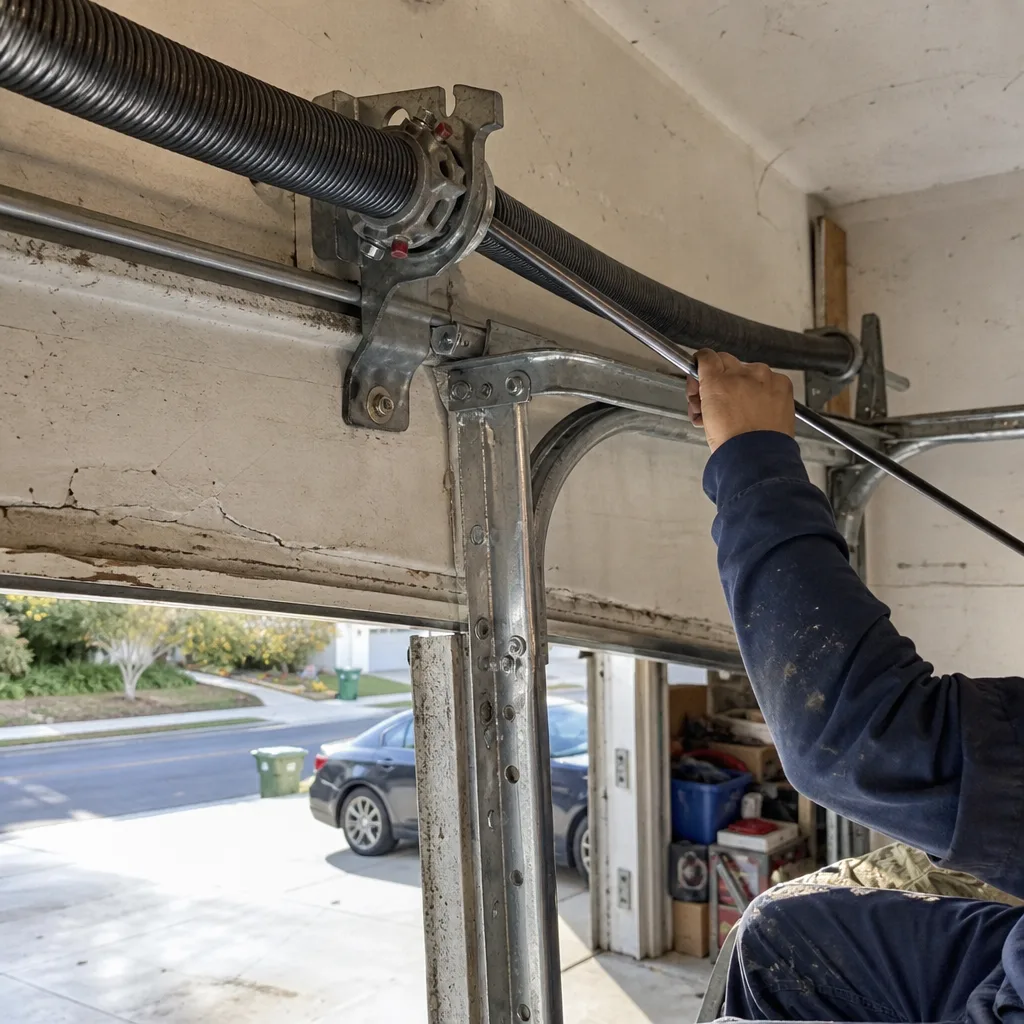 Before
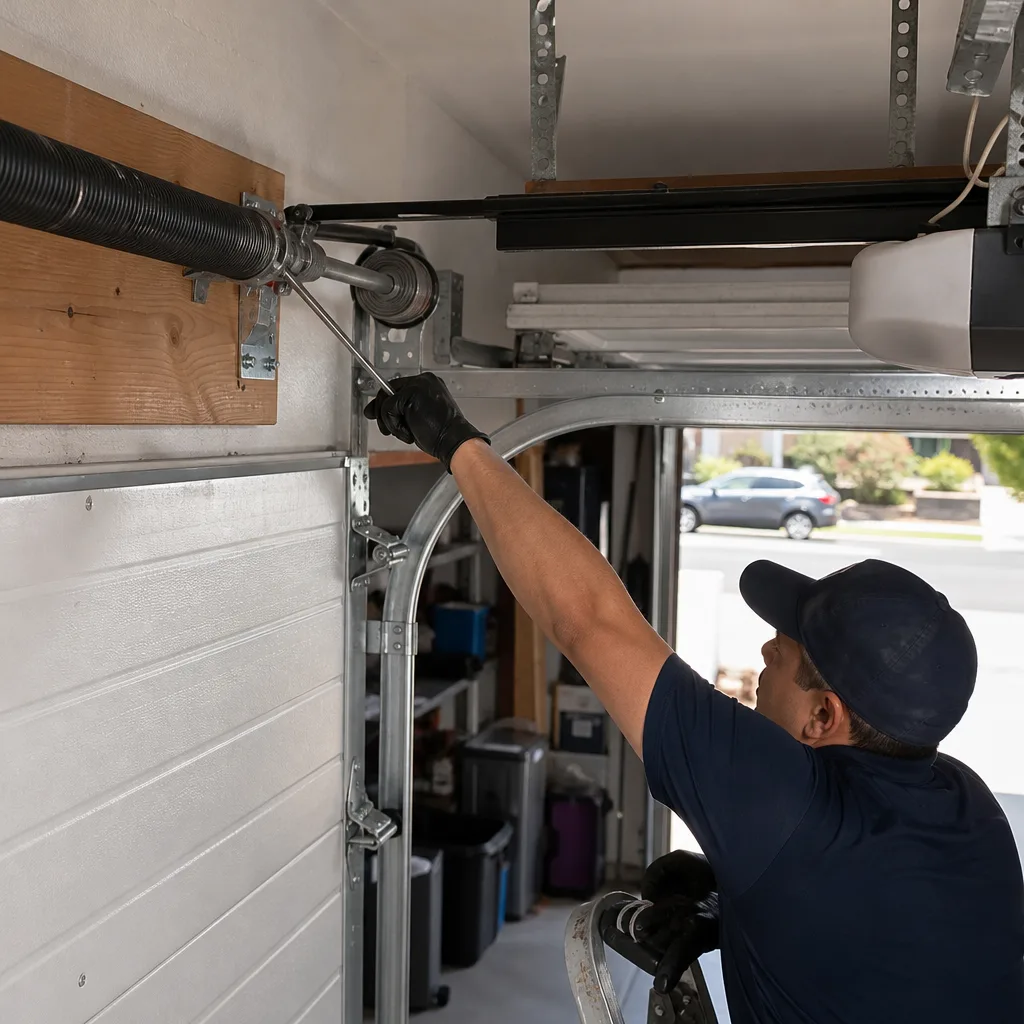 After
After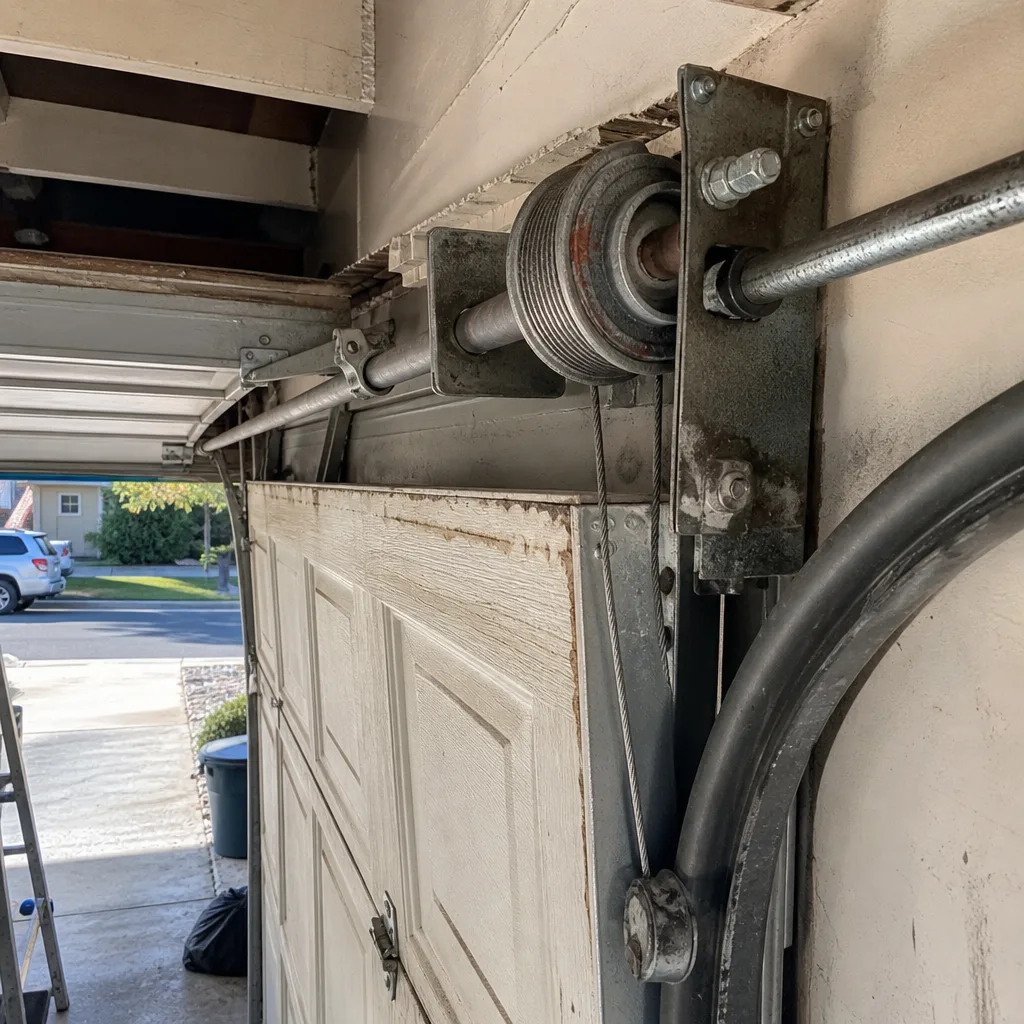 Before
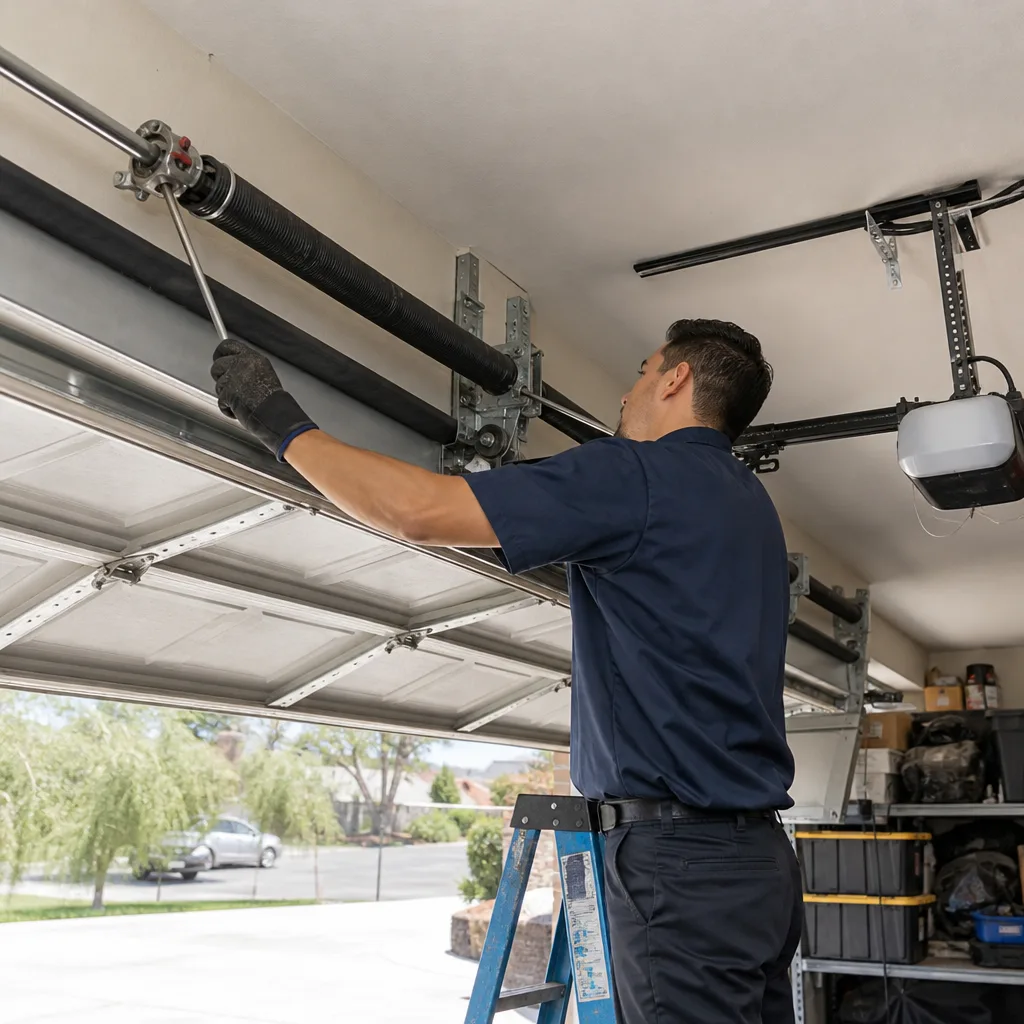 After
AfterHow Long Does Garage Door Opener Repair Take? Timelines and What to Expect
Most garage door opener repairs take under 60 minutes of hands-on work once a qualified technician is standing in your garage. The job that “takes all day” is almost always a scheduling or preparation failure, not a mechanical one. What eats your time is the gap between the moment you call and the moment the right part arrives with the right person. This guide separates clock time from calendar time so homeowners across Los Angeles know exactly what they’re buying when they schedule Garage Door Opener Repair services, and what realistic expectations look like from the first call to the final test cycle.
Quick Answer
How long does garage door opener repair take? The physical repair typically takes 30 to 90 minutes on site. Common jobs like a logic board swap, safety sensor realignment, or a stripped gear replacement usually finish in under an hour. What extends the timeline is parts availability, diagnosis accuracy, and whether the technician arrives with the right components already staged on the truck. A well-run company quoting a two-hour arrival window with the part in hand will often finish faster than a no-show operation that finally shows up three days late.
Table of Contents
- Hands-On Repair Time by Job Type
- Repair Time vs. Resolution Time: Where the Days Go
- What a Technician Should Do Before Arriving
- The Jobs That Look Quick But Aren’t
- Homeowner Checklist: What to Have Ready Before the Truck Arrives
- Repair or Replace: How the Decision Affects Your Timeline
- Common Mistakes to Avoid
- When to Call a Professional
- Frequently Asked Questions
Hands-On Repair Time by Job Type
Not all opener repairs are created equal, and the minute ranges below reflect what we’ve seen across thousands of service calls in Los Angeles garages, from West Hills to Silver Lake. These numbers assume a prepared technician with the correct part in hand, not someone diagnosing on the fly and making a parts run mid-job.
- Safety sensor realignment or replacement: 20 to 40 minutes. This is the most common “door won’t close” fix. Usually it’s a misaligned bracket, a pinched wire, or a dead sensor. No major disassembly required.
- Logic board replacement: 30 to 50 minutes. The board is the opener’s brain. Once the cover is off, it’s a matter of unplugging connectors, swapping the board, and reprogramming remotes and keypads.
- Stripped gear kit replacement: 40 to 70 minutes. The nylon gear inside older LiftMaster and Craftsman units wears down over time. The job requires removing the opener’s outer cover, extracting the old gear, cleaning the grease, and seating the new gear properly.
- Travel limit and force adjustment: 20 to 35 minutes. Sometimes the opener isn’t broken, it’s just out of calibration. Adjusting the travel limits and force settings so the door stops at the right points takes less than an hour including testing.
- Remote and keypad reprogramming: 15 to 30 minutes. If remotes stopped working after a power surge or battery change, reprogramming is quick. The time goes into erasing the old codes and pairing new ones across all devices.
- Full opener replacement: 90 to 150 minutes. This isn’t a repair, but if the unit is beyond saving and a new one goes in, expect two to two and a half hours on site. The old unit comes down, the new rail assembles, and the system gets programmed from scratch.
These ranges hold up across most major brands we service, including Genie, Chamberlain, and Raynor units common in Los Angeles homes built in the 1980s and 1990s. The opener’s age matters more than the brand when it comes to how fast a repair goes.
Repair Time vs. Resolution Time: Where the Days Go
Here’s a scenario we see all the time in Los Angeles. A homeowner calls Monday morning about a dead opener. They get a callback Tuesday afternoon. A technician shows up Wednesday, diagnoses a failed logic board, and doesn’t have that exact board on the truck. The part gets ordered Thursday, arrives Monday, and the repair is finished Monday at 11 a.m. Total hands-on repair time: 40 minutes. Total time-to-resolution: seven days.
The gap between those two numbers is what separates a disciplined operation from a phone queue with a truck. When we talk about repair timelines, the honest conversation has three parts:
- Diagnosis time: How quickly can someone actually look at the unit and tell you what’s wrong? A phone call with the right questions can narrow this down before anyone drives anywhere.
- Parts availability: Does the company stock common components, or does everything get special-ordered from a distributor in City of Industry? Los Angeles traffic makes every parts run an hour or more, each way.
- Dispatch window: When can a technician actually arrive? A company that says “sometime between noon and 5” is giving you a window, not a time, and that window is where your day disappears.
In our experience, the fastest turnarounds happen when a company answers the phone directly, asks structured questions about symptoms, stages the likely parts on a truck, and gives you a real arrival window. The slower ones happen when you leave a voicemail, wait for a callback, then wait again for a diagnosis visit that ends with “we’ll order the part.” A repair that should take 45 minutes of wrench work turns into a week-long project when the preparation doesn’t happen before the first visit.
What a Technician Should Do Before Arriving
Half the repair timeline is set before a truck ever pulls into your driveway. The difference between a 40-minute visit and a two-hour visit is often decided by what happens during the scheduling call.
When you call a repair company in Los Angeles, a competent operation should be doing these things before dispatching anyone-see How to Hire a Garage Door Contractor in Los Angeles: A Step-by-Step Guide for what to look for:
- Ask about symptoms, not just “what’s wrong.” “The door opens but won’t close” points to sensors. “The motor hums but nothing moves” points to a stripped gear. “Nothing happens at all” points to the logic board or power supply. Each symptom narrows the likely part.
- Ask for the model number and brand. A Genie opener from 1998 uses different components than a Raynor unit from 2019. Knowing the model lets the technician pull the right part from the truck stock before leaving for your house.
- Ask the age of the unit and any recent changes. Did a power surge hit the block last week? Did the remote stop working after a battery change? Has the door felt heavier lately? Context collapses the diagnosis time on site.
- Stage the likely parts on the truck before dispatch. A technician carrying common gear kits, sensors, boards, and remotes can fix the job in one trip. A technician carrying only a clipboard needs two trips, minimum.
- Confirm the arrival window the morning of the job. Not a four-hour spread. A real window, confirmed by phone or text, so you’re not burning a vacation day waiting for a truck that may not come.
This is the standard we hold at Brock Garage Door Repair home. When the diagnosis starts on the phone and the parts are staged before dispatch, the on-site work almost always lands in that 30-to-60-minute range. When the diagnosis starts on your doorstep, everything stretches.
The Jobs That Look Quick But Aren’t
Some repairs present as a 30-minute fix and turn into a two-hour job once the cover comes off. The classic example we run into in Los Angeles on a regular basis is the stripped drive gear on a 15-year-old Chamberlain or Craftsman opener. On paper, the gear replacement itself is 40 minutes. But if the rail has worn with it, the chain has stretched, and the carriage is grinding against the rail, the “gear job” becomes a drive-train job. You fix the gear and the door still runs rough, so the experienced technician replaces the worn rail components too, or the repair fails inside a month.
Other jobs that routinely blow past their initial estimate:
- Dead logic board that takes out the wall console: The board may have shorted and killed the wired wall button at the same time. Replacing one without the other means a callback.
- Misaligned sensors on a door with shifting tracks: The sensor fix takes 15 minutes. The underlying track alignment that keeps throwing the sensors off takes longer.
- Opener problems caused by a failing door spring: If the torsion spring above the door is weak, the opener strains to lift the weight and components wear prematurely. Some Los Angeles homeowners replace the opener only to discover the real issue was the spring all along. That’s why we look at the whole system, not just the part that’s visibly broken.
A technician who’s honest about the timeline will tell you before starting the work that the repair may extend beyond the initial estimate once the unit is opened up. The price, when it’s in writing before work begins, doesn’t get to float upward once the cover is off. That’s a different conversation, and one worth having before the first bolt turns.
Homeowner Checklist: What to Have Ready Before the Truck Arrives
You can cut your repair timeline by 15 to 30 minutes just by having the right information ready when you schedule the call. Here’s the five-point prep list we give every homeowner before a visit in Los Angeles:
- Find the model number. It’s printed on a label on the opener’s main body, usually on the side or the back. The number starts with a manufacturer code. Have a photo of the label ready to send or describe over the phone.
- Note the unit’s age. The opener’s manufacturing date is often on the same label. If not, the unit’s age can be estimated from the home’s build date or the previous owner’s records.
- Describe the exact symptom. Write down what happens when you press the wall button and the remote. Does the motor run? Does the door move an inch and stop? Does the light flash? These details are diagnostic gold.
- Count your remotes and keypads. If the repair involves reprogramming, the technician needs to know how many devices to pair. It’s faster to program four remotes at once than to make a second trip for the keypad in the third car.
- Clear the area around the opener. Move anything stored under the opener’s path so the technician can set up a ladder and work without moving your bikes, boxes, and shelving units.
Five minutes of prep on your end translates to less time the technician spends asking questions and more time actually turning a wrench. It also means the clock starts the moment the truck arrives, not after 20 minutes of back-and-forth trying to identify the unit.
Repair or Replace: How the Decision Affects Your Timeline
The repair-versus-replacement decision can change your timeline from one hour to one day, so it’s worth understanding before you’re standing in the garage with the technician.
As a rule, a repair makes sense when the opener is under 10 years old, the motor runs strong, and the failure is isolated to a replaceable component: a gear, a board, a sensor, or a belt. Those jobs are quick, and the parts are commonly stocked. We’ve repaired plenty of units like these across Los Angeles, including Amarr and Wayne Dalton systems, that ran another five to eight years after a single component swap.
Replacement becomes the faster route when the opener is 15-plus years old, the motor is weak, the rail is worn, and the repair would require three or more components. At that point, the honest answer is that you’re spending 80 percent of a new opener’s cost to keep a dying unit alive. A full replacement takes 90 to 150 minutes on site, and the new unit comes with a fresh warranty and current safety features, including auto-reverse sensors that older Los Angeles homes often lack.
The decision should come from the technician’s honest assessment of the unit’s condition, not from a commission incentive to sell you a new opener. At Brock, the written price applies whether the job ends up being a 40-minute gear swap or a full replacement, and the recommendation comes from what’s right for your door, not what’s easiest to bill. For context on how opener work fits into broader door service, see our Garage Door Opener Repair in Los Angeles page.
Common Mistakes to Avoid
- Waiting days for a callback instead of calling a company with a live answer. Every day you wait is a day the door doesn’t work. Companies that route calls to voicemail are adding time you never get back.
- Skipping the phone diagnosis and just asking for a “tech to come look.” That’s how you end up with a first visit that concludes with “we’ll order the part.” Structured questions on the first call cut the timeline in half.
- Agreeing to a verbal estimate. In Los Angeles, verbal estimates have a way of growing once the work starts. A written price, handed over before the first bolt turns, is the only number that matters.
- Replacing the opener without checking the spring and door balance. A new opener on a poorly balanced door wears out fast. The real fix was the spring, and now you’ve spent a thousand dollars on the wrong repair.
- Choosing a company that can’t tell you which brand it services. If the answer is “all of them,” ask for specifics. The right fix on a Raynor unit is different from the right fix on a Craftsman, and generic workarounds fail.
- Not asking about the guarantee before scheduling. A repair with no written guarantee is a bet you’re placing with your own money. A one-year written guarantee changes the math entirely.
When to Call a Professional
Call a professional the moment the opener stops responding reliably, the door reverses mid-cycle, or you hear grinding, clunking, or humming without movement. These symptoms don’t self-heal, and running an opener with a stripped gear or failing board can damage adjacent components and double the eventual repair bill. If the door has come off its tracks or a cable is frayed, stay clear of the door and call immediately, that’s a safety issue, not a convenience one. Garage Door Repair in Los Angeles covers more of what falls into urgent territory. Brock Garage Door Repair offers free estimates in Los Angeles, call (254) 602-5116 and a live person will answer, day or night.
Frequently Asked Questions
A garage door opener that won’t open or close typically takes 30 to 60 minutes to repair on site once the technician arrives. The exact time depends on whether the issue is a misaligned sensor, a failed logic board, or a stripped drive gear. If the problem is caught early and the part is on the truck, most Los Angeles homes are back up and running within an hour. Call (254) 602-5116 for an exact timeline on your opener’s symptoms.
Yes, in most cases a garage door opener can be repaired the same day if the call comes in before midday and the needed part is in stock. Common parts like safety sensors, gear kits, and remotes are carried on the truck, so the repair finishes in one visit. Unique logic boards for older Genie or Raynor units may require a next-day return. Call (254) 602-5116 and we’ll tell you over the phone whether same day is realistic for your unit.
Garage door opener repair in Los Angeles typically runs $120 to $350 depending on the component and the opener’s brand. Safety sensor replacement usually runs $120 to $180, a gear kit runs $180 to $275, and a logic board runs $220 to $350. The price is provided in writing before any work begins, so the number you approve is the number you pay. Call (254) 602-5116 for a free estimate on your specific opener.
A garage door opener under 10 years old with a single failed component is usually worth repairing, and the fix takes under 60 minutes. Once the unit passes 15 years and needs multiple parts, replacement at 90 to 150 minutes on site is often the better value. The decision hinges on the motor’s condition and the unit’s service history, which an honest technician can assess in minutes.
A garage door opener in Los Angeles typically lasts 10 to 15 years, with coastal-area units sometimes failing sooner due to salt air corrosion on wiring and boards. Inland valley heat can also shorten capacitor and logic board life. Regular service and early repair of worn gears can extend the unit well past the 15-year mark. We’ve serviced Chamberlain and LiftMaster units around Los Angeles that were still running at 18 years with a single gear replacement along the way.
No, the repair price does not change once the technician sees the door if the estimate was given in writing. The written price is based on the symptoms described during the scheduling call and the diagnosis confirmed on site. If additional damage is discovered, the new work gets its own written price before anything else proceeds, never a surprise line item. That’s the standard for every repair, including the Garage Door Cable Repair in Los Angeles jobs where secondary damage hides behind the visible failure.
The Bottom Line
Garage door opener repair is a 30-to-90-minute job in the hands of a prepared technician. The days-long waits come from voicemail queues, missed diagnosis steps, and parts that weren’t staged before the first visit. In Los Angeles, where a parts run means an hour in traffic each way, the discipline of the company you call matters more than the brand of opener in your garage. Ask for structured questions on the first call, a real arrival window, parts on the truck, and a written price before work begins. Get those four things and the repair is almost always a one-visit event, finished in under an hour, with a written guarantee that outlives the drive home. For more guides & resources on keeping your system running, visit our blog.
Written by Wade Mercer, Owner at Brock Garage Door Repair, serving Los Angeles since 2001.