
Last updated October 9, 2026
Full 25-point door and opener safety check with every visit - springs, cables, rollers, tracks, and your LiftMaster or Chamberlain opener included
You get a price before we start. It does not change when the truck arrives.
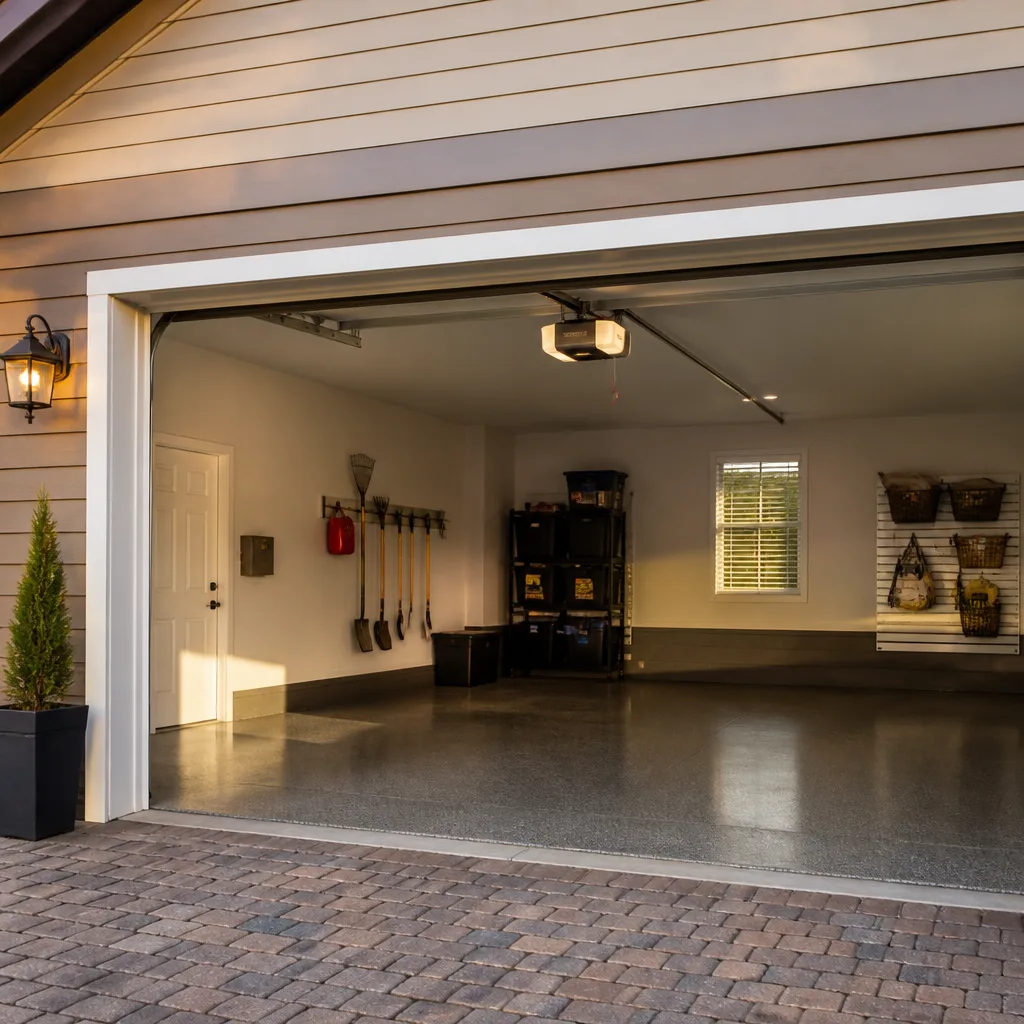
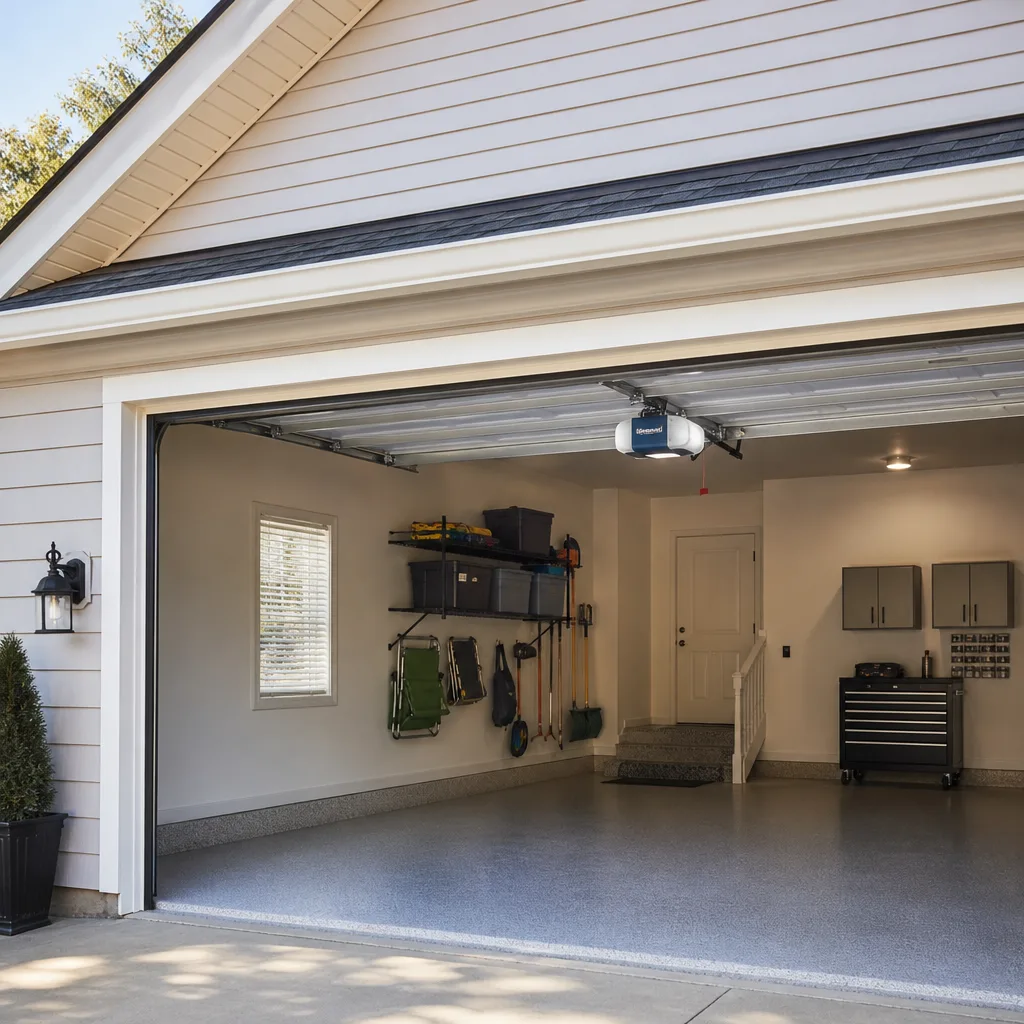
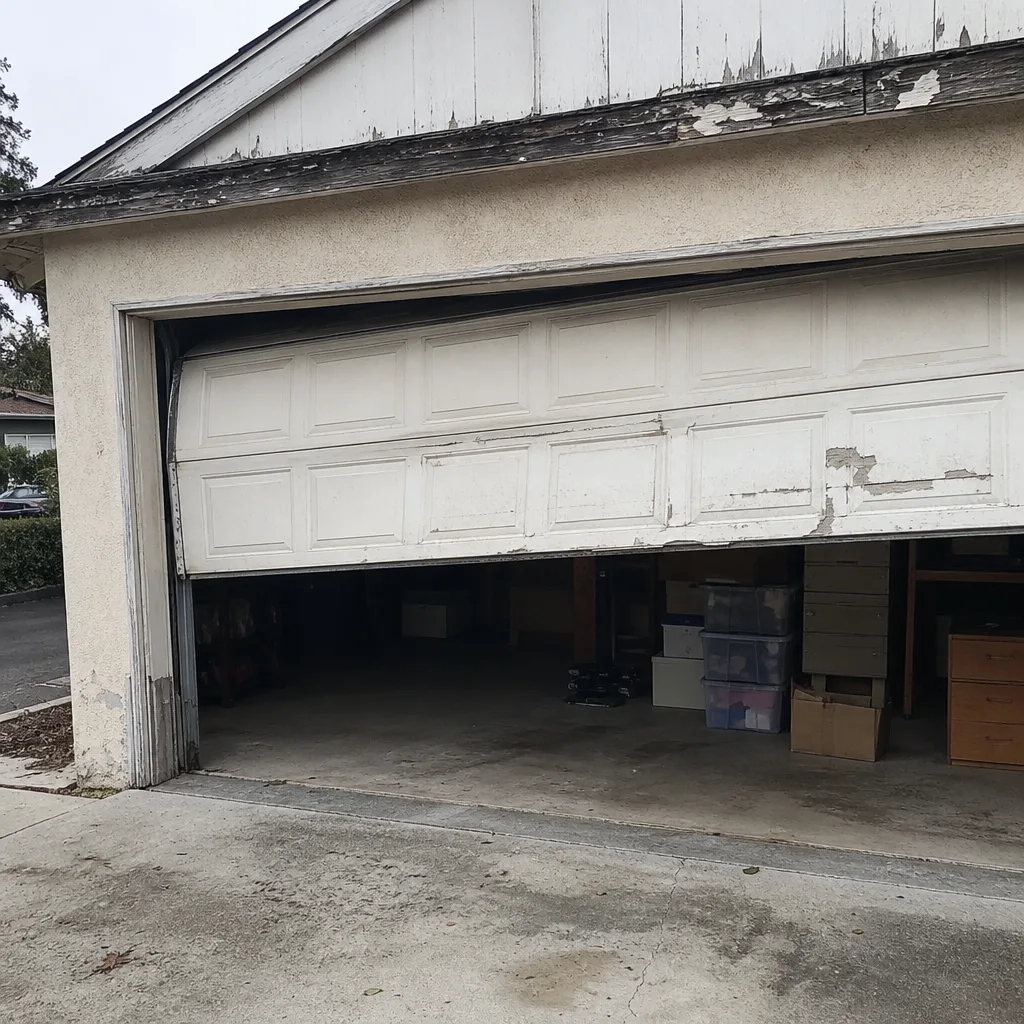 Before
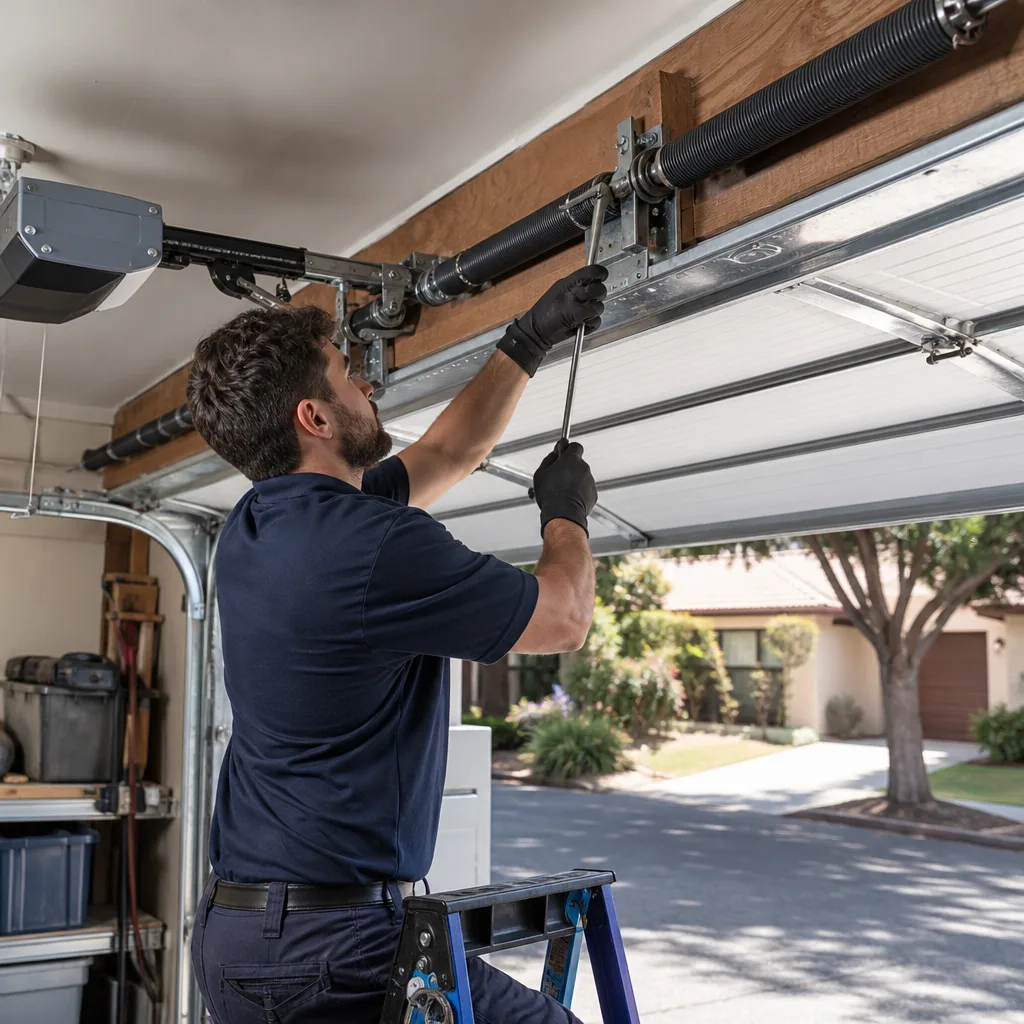 After
After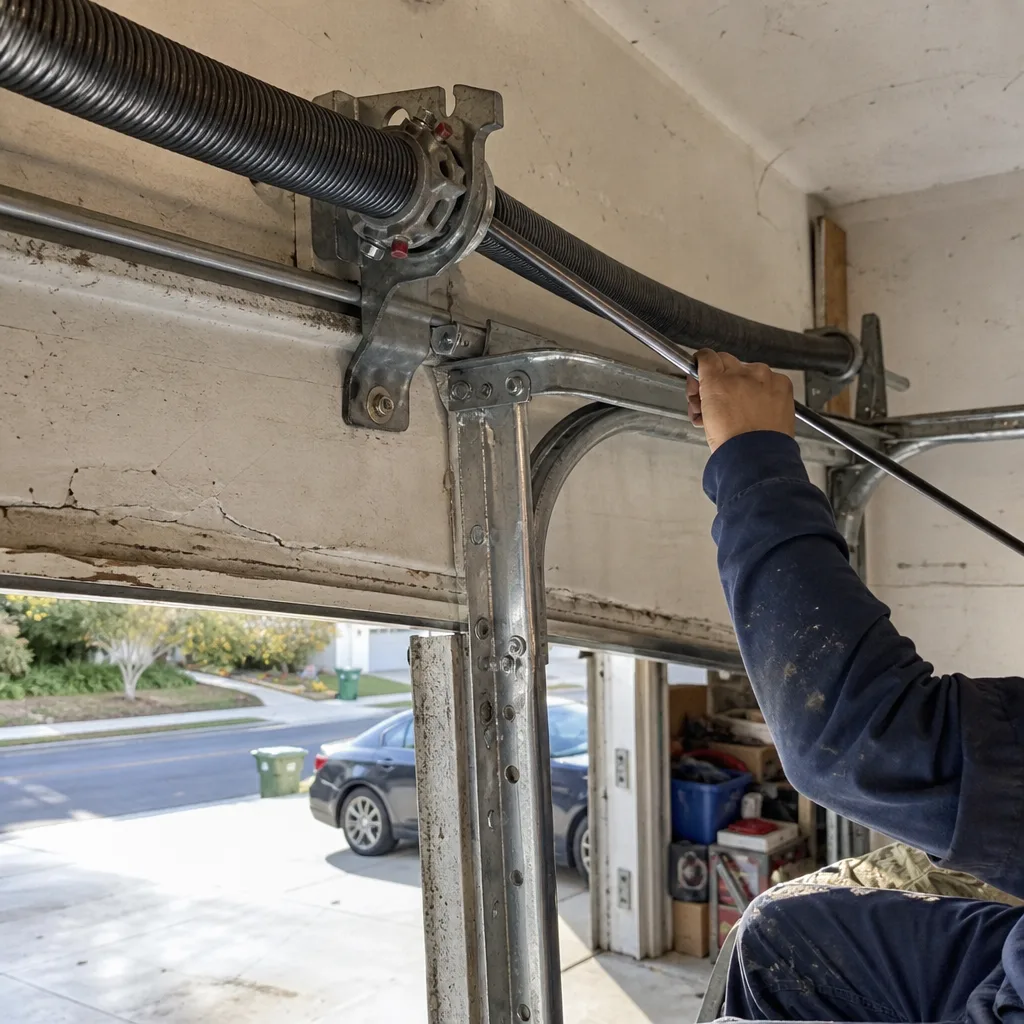 Before
 After
After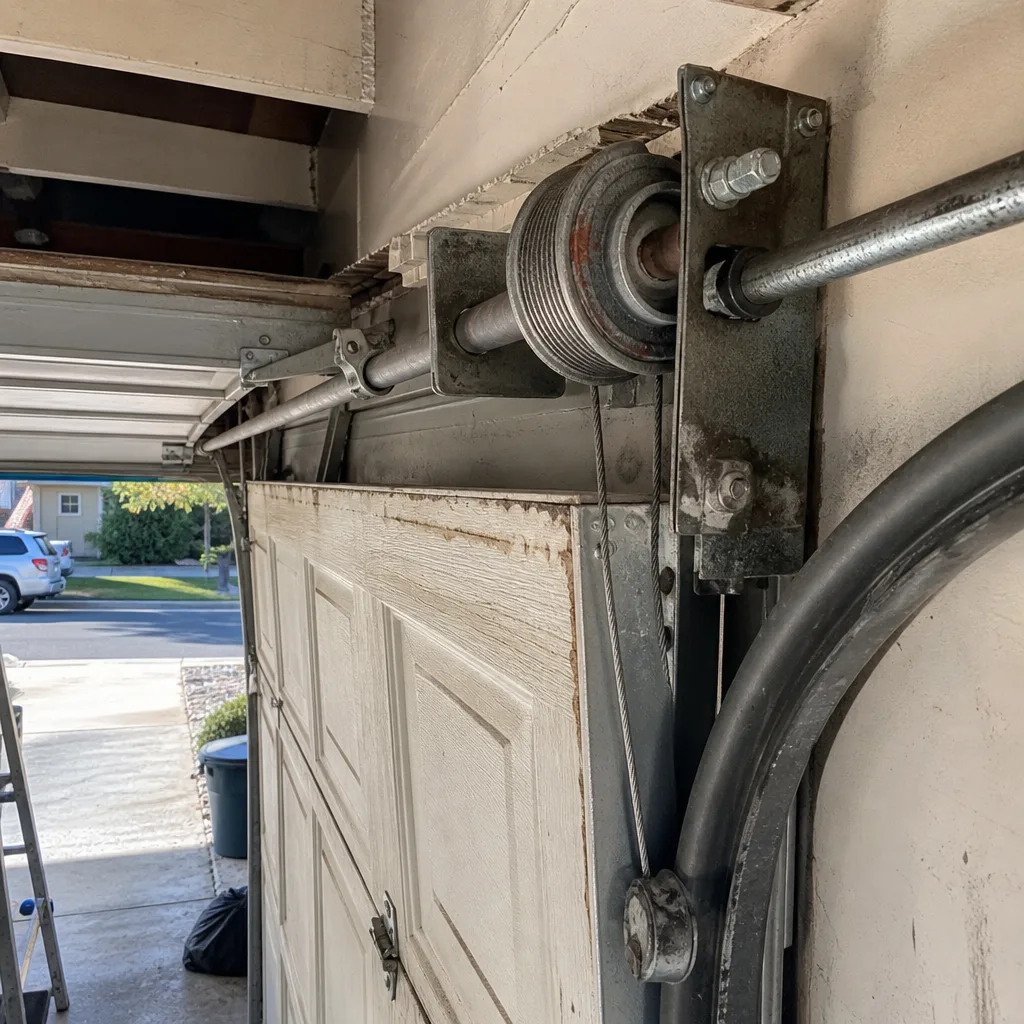 Before
 After
AfterHow Long Does Garage Door Repair Take? Timelines and What to Expect
Here’s the number most homeowners never hear: the actual repair work on a garage door rarely takes more than 90 minutes. A spring replacement, the most common call we run in Los Angeles, is typically done in under an hour. The part that stretches a “quick fix” into a three-day ordeal is the gap between “I called” and “someone showed up.” This guide breaks down real time-on-site ranges for the ten most common Garage Door Repair services, what parts a well-stocked truck should carry versus what gets ordered, and how to protect your home if the door is stuck open overnight. By the end, you’ll know exactly what to expect from the first call through the final bolt.
Quick Answer
Most garage door repairs take 30 to 90 minutes once the technician arrives, with spring replacement and opener board swaps at the longer end of that range. For related advice, see our How to Hire a Garage Door Contractor in Los Angeles: A Step-by-Step Guide. The bigger variable is wait time: a repair company that tracks its arrival windows and carries common parts on the truck can often handle the job same-day, while one that orders parts after diagnosing can leave you without a working door for three to seven days. In Los Angeles, where a non-operational garage door is both a security concern and a failed inspection item, expect to wait no more than 24 to 48 hours for a reputable company to get a technician to your door.
Table of Contents
- Time on Site: Real Ranges for the Ten Most Common Repairs
- What’s on the Truck vs. What Gets Ordered
- Why the “When Will You Show Up?” Question Matters More Than the Repair Itself
- How to Secure a Non-Operational Door Overnight
- The One Question That Tells You If You’ll Wait a Week for a Spring
- How We Run the Clock at Brock Garage Door Repair
- Common Mistakes to Avoid
- When to Call a Professional
- Frequently Asked Questions
Time on Site: Real Ranges for the Ten Most Common Repairs
A garage door has about a dozen moving components that fail with enough regularity that every technician in Los Angeles has replaced them hundreds of times. Here are the actual time-on-site ranges we’ve logged across thousands of service calls, not the padded numbers you’ll find on a sales brochure.
1. Torsion Spring Replacement: 45 to 75 Minutes
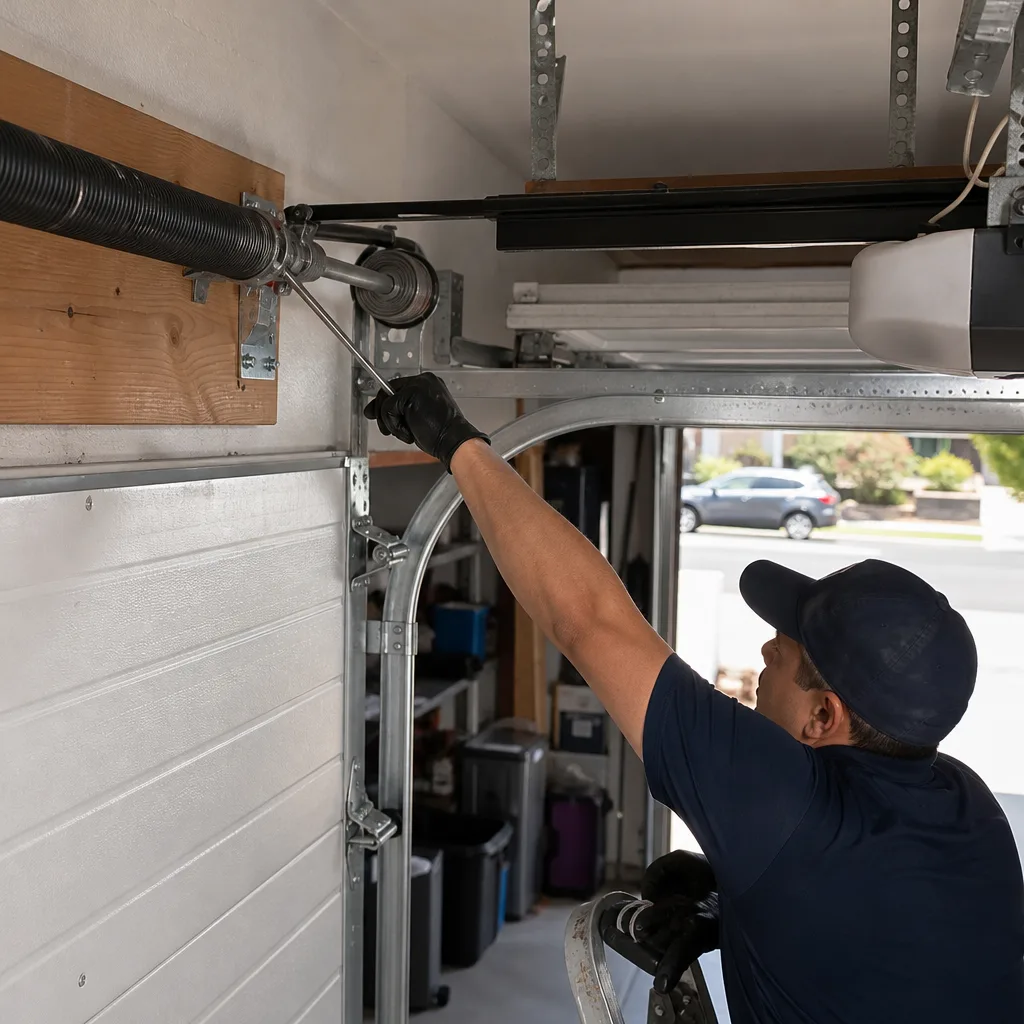
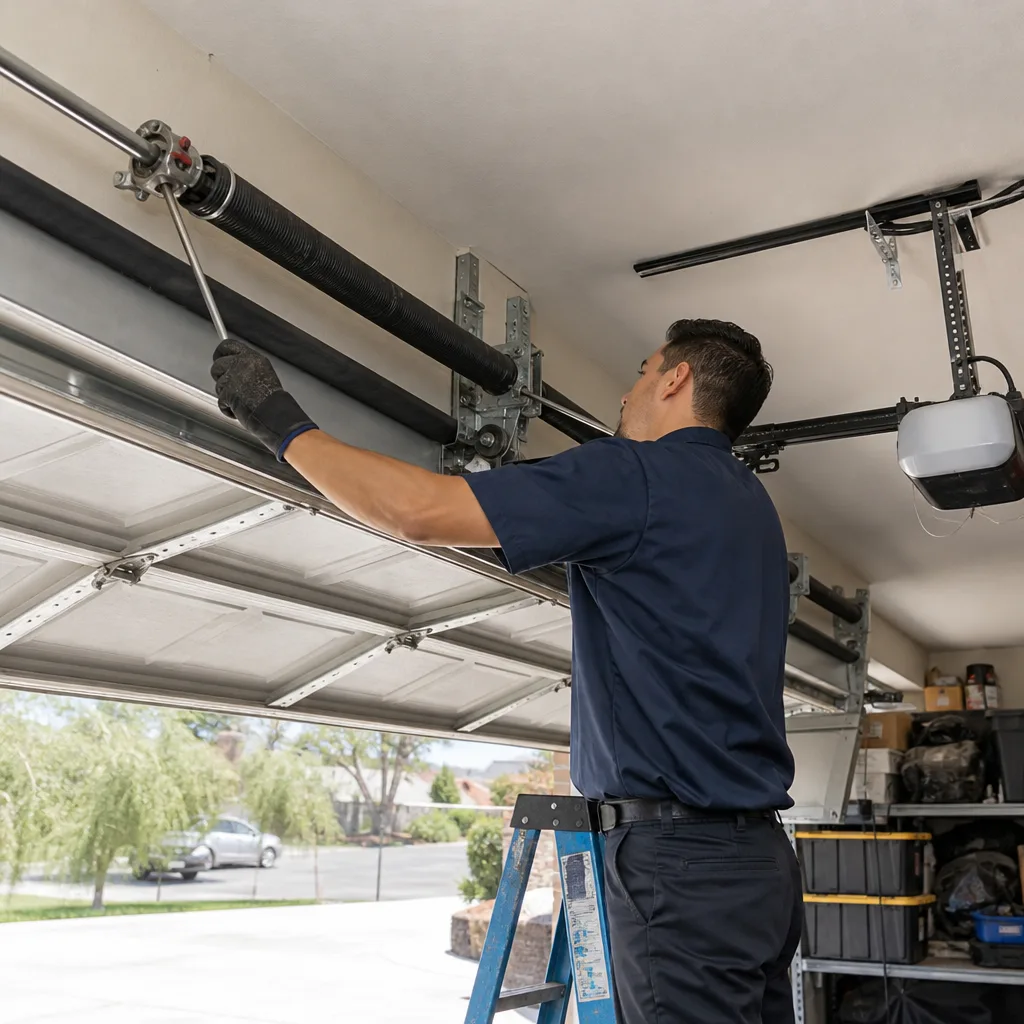
The torsion spring is the thick coiled spring mounted above the door that bears most of the lifting load. When it snaps, the door becomes dead weight. Replacement involves unwinding the old spring (if any tension remains), removing the old unit, installing the new spring, and winding it to the correct tension for your door’s weight. Two-spring systems take longer because both springs are replaced as a set. In our experience, a single-car door with one spring runs about 45 minutes; a double-car door with two springs runs 60 to 75.
2. Extension Spring Replacement: 30 to 45 Minutes
Older doors, especially in Los Angeles homes built before 1990, often use extension springs mounted above the horizontal tracks. These are simpler and faster to replace. The critical step is installing a safety cable through the center of each spring, which prevents a broken spring from flying across the garage. A technician who skips this step is cutting corners.
3. Cable Replacement: 40 to 60 Minutes
Cables run along both sides of the door and carry tension from the springs. When a cable frays or snaps, the door jams or drops unevenly. Replacement requires detensioning the springs, threading new cables through the drums and pulleys, and retensioning everything. Most cable repairs run $150 to $275, depending on cable type and drum condition. This is not a DIY job; the tension involved can cause serious injury.
4. Roller Replacement: 20 to 40 Minutes
Rollers are the small wheels that let the door travel along the track. Nylon rollers wear out every five to seven years and start to sound like a shopping cart with a bad wheel. Swapping out ten to twelve rollers is quick work. Expect 20 minutes if only a few rollers are worn, closer to 40 if you’re replacing the full set with upgraded nylon rollers.
5. Track Realignment: 30 to 50 Minutes
If a door binds, jumps, or makes a grinding noise, the track has likely shifted. Realignment involves loosening the track brackets, repositioning the track to the correct gap from the door edge, and retightening everything. A technician will also check for bent sections. In Los Angeles, where minor seismic activity is a fact of life, tracks drift out of alignment more often than homeowners realize.
6. Panel Replacement: 60 to 90 Minutes
A dented panel (usually from a car bump or a runaway basketball) is a common repair for single-panel damage. The technician removes the damaged panel, installs the replacement, and reconnects the hinges and brackets. This runs longer because getting the panel to seat flush and align with the weather stripping takes patience. Note: panel replacement on doors older than 10 years often reveals mismatched paint, so the technician should explain color-matching options upfront.
7. Opener Board Replacement: 45 to 60 Minutes
The logic board inside the opener is the brain of the system. When it fails, the opener does nothing or behaves erratically. Board replacement involves opening the motor housing, swapping the board, resetting the travel limits, and reprogramming remotes and keypads. This is one repair where the parts cost more than the labor. Expect 45 to 60 minutes, including reprogramming.
8. Opener Motor Replacement: 60 to 90 Minutes
If the motor itself is dead, the technician removes the old opener unit and installs a new one. This includes mounting, setting travel limits, testing force settings, and pairing all remotes. On a standard door, this is a one-hour job. If the door is oversized or the opener is belt-driven and requires vibration isolation mounts, expect 90 minutes.
9. Safety Sensor Realignment: 15 to 25 Minutes
The photo-eye sensors near the floor on both sides of the door must align or the door reverses immediately. A bump from a broom, a parked car, or a kid’s bike knocks them out of line. A technician can realign and test them in under 25 minutes. This is the fastest common repair and one of the cheapest service calls in Los Angeles.
10. Weather Seal Replacement: 20 to 30 Minutes
The rubber strip along the bottom of the door keeps water and pests out. It cracks over time in the Los Angeles sun and lets daylight (and rodents) through. Replacement is simple: pull the old seal, slide the new one in, trim to length. It’s often done as an add-on during another repair visit.
What’s on the Truck vs. What Gets Ordered
Here’s the part of the timeline that never shows up on a quote: whether the technician arrives with your part already on the truck or diagnoses the problem and then places an order. The difference in downtime can be a week.
A well-run garage door service vehicle in Los Angeles carries the parts with the highest failure rates: torsion springs in the most common wire sizes and lengths, extension springs, cables, rollers in both steel and nylon, hinges, brackets, remotes, keypads, safety sensors, and opener logic boards for LiftMaster, Chamberlain, and Genie. That’s what a prepared truck looks like.
What doesn’t live on the truck: specialty panels (which are matched to your specific door model and often require factory order), custom wind-rated doors, and opener motors for less common brands. If your door is a Clopay or Amarr model, panels can often be sourced within three to five days. If it’s a discontinued model or a custom finish, expect a week or more. The technician should tell you this before scheduling, not after.
Before you book, ask this: “Do you carry common parts on the truck, or do you diagnose and come back?” A company that carries parts can often finish the job in one visit. A company that doesn’t is adding three to seven days of waiting time, regardless of what their marketing says about “fast service.”
Why the “When Will You Show Up?” Question Matters More Than the Repair Itself
A same-day appointment that shows up four hours late is not a same-day appointment. It’s a service failure with better marketing. In our experience running calls across Los Angeles, the single biggest driver of homeowner frustration isn’t the repair time; it’s the arrival window.
Here’s what a disciplined service operation does differently. When you call, the dispatcher gives you a real arrival window, not “sometime between 8 and 5.” That window should be two hours or less. The technician calls when they’re en route and gives you a 20-minute heads-up. If traffic or a previous job pushes the schedule, the office calls you and resets the expectation. That’s basic operational hygiene.
If a company can’t tell you when they’ll arrive, or gives you a window so wide it’s meaningless, what you’re really learning is that they don’t run a schedule. They run a queue. And in a queue, you wait until they get to you. That’s fine for a coffee shop. It’s not fine when your garage door is open to the alley and your tools are sitting in plain sight.
We track our arrival windows and hold ourselves to them. If we tell you 2:00 to 4:00, the technician is in your driveway between 2:00 and 4:00. Not in traffic. Not on another call. At your house. That’s part of The Garrison Standard we operate under: show up in the window, price in writing, do it by the book, leave it clean, stand behind it for a year.
How to Secure a Non-Operational Door Overnight
If your door fails at 9:00 PM and the technician can’t arrive until morning, you’re not just dealing with an inconvenience. A garage door that’s stuck partially open or can’t be pulled down is an open invitation to anyone walking down the alley. Here’s how to lock it down until help arrives.
The Manual Lock-Out Procedure, Step by Step
- Pull the emergency release cord. The red handle hanging from the opener rail disengages the door from the opener. Pull it straight down to release the trolley.
- Lower the door by hand. With the opener disengaged, the door should move freely. If it’s a two-person door or feels heavy, get help; a door with a broken spring can weigh 150 to 250 pounds.
- Slide the manual lock bolt. Most doors have a small sliding bolt on the inside center of the door. Push it through the track to lock the door in place. If your door doesn’t have one, a pair of vice grips clamped onto the track just above a roller will do the job temporarily.
- Disable the opener. Unplug the opener unit from the ceiling outlet. If the door is manual-locked and someone hits the remote, the opener will try to lift the door and can burn out the motor or bend the arm.
- Verify the door. Try to lift the door from the outside. It shouldn’t budge. If it moves, your manual lock isn’t seated. Fix it before you go inside.
If your door doesn’t have a manual lock bolt, clamp locking pliers onto the track directly above a roller on each side. This is a temporary measure, not a long-term solution. And if the door is stuck in the open position and won’t move at all, treat the garage as an active security risk: remove anything valuable, lock the interior door to the house, and consider parking a car in front of the door as a physical barrier.
One more note for Los Angeles homeowners: if your door faces an alley, secure it the night it breaks. Don’t wait for morning. The 90 minutes you’ll save by calling first thing is not worth the risk of an open garage overnight.
The One Question That Tells You If You’ll Wait a Week for a Spring
Here’s the question that separates a one-visit repair from a week-long saga: “Do you carry torsion springs on the truck?” If the answer is yes, you’re probably dealing with a legitimate repair operation. If the answer is “we’ll need to order that,” you’re about to wait three to seven days for a part that every competent garage door company in Los Angeles stocks as a matter of course.
Torsion springs are the highest-failure-rate component on a garage door. A technician who shows up to a spring replacement call without springs on the truck is like a plumber who shows up to a leak without a pipe wrench. The part isn’t exotic. It’s not expensive. It comes in a handful of standard sizes based on door weight, height, and cycle rating. A service vehicle that’s actually set up for garage door repair carries an assortment.
The same goes for cables, rollers, hinges, and safety sensors. These are consumables. They fail constantly. If a company can’t pull the part out of the truck and complete the repair in one visit, they’re either not a dedicated garage door company or they’re running their inventory too lean to be reliable.
Ask the question before you book. The answer takes five seconds and tells you everything you need to know about how that company values your time.
How We Run the Clock at Brock Garage Door Repair
We’ve been doing this in Los Angeles since 2001, and the operating rules haven’t changed: show up when we say we will, price the job in writing before we touch a bolt, do the work to the standard, leave the site cleaner than we found it, and stand behind the repair for a full year. That’s not a slogan. It’s the structure we work under.
Every Brock Garage Door Repair technician arrives in a uniform and has passed a background check. They’re trained on eight major brands: LiftMaster, Chamberlain, Genie, Clopay, Amarr, Wayne Dalton, Craftsman, and Raynor. When your tech pulls up, they know your system, not just the generic version of a garage door.
Our pricing is written down and handed to you before any work starts. The number on your invoice is the number you approved. If the repair fails within 365 days, we come back and make it right at no charge. That guarantee is in writing on every job, not something a salesperson says and then hopes you forget.
And when you call, a live person answers. Not a phone tree. Not a call-back queue. You call, a human picks up, and you get a straight answer about when we can be there. We run 24/7, including holidays, because a garage door doesn’t break on a schedule that’s convenient for anyone.
If you’re in Los Angeles and your door is giving you trouble, call Brock Garage Door Repair at (254) 602-5116. A real person will answer, give you an arrival window, and show up in that window with the parts to fix your door the same day.
Common Mistakes to Avoid
- Waiting to call because you think it’s faster to wait for a non-urgent slot. The opposite is true. A broken garage door in Los Angeles is an urgent repair by definition. The sooner you call, the sooner a technician is scheduled, and same-day slots go to people who call first.
- Paying a deposit before the technician has seen the door. Reputable companies don’t take money before a diagnosis. If a company asks for upfront payment before sending a tech, find another company.
- Ignoring a noisy door until it fails. A door that’s grinding, banging, or straining is telling you something is wearing out. Waiting for the full failure turns a 30-minute roller job into a spring replacement and a cable job.
- Assuming all repair companies carry parts. They don’t. Ask the truck-stocking question before you book. A company that says “we’ll order it” is adding three to seven days to your downtime.
- Trying to fix a spring or cable yourself. Torsion springs and cables are under enough tension to cause serious injury or death if mishandled. Every year, homeowners in Los Angeles end up in emergency rooms because YouTube made it look easy. Don’t. Call a trained technician.
- Leaving the door unsecured overnight because “it’s one night.” One night is enough time for someone to notice. Secure the door, remove valuables, and lock the interior door to the house.
- Choosing a company based on the lowest quote alone. The repair that’s $75 cheaper today can cost you a full replacement when it fails in six weeks. A written 365-day guarantee is worth more than a verbal promise.
When to Call a Professional
Call a technician when the door won’t open or close, when it moves unevenly, when you hear grinding or banging, when the door reverses immediately after hitting the floor, or when a spring or cable is visibly broken. Those are not adjustment issues. They’re repair issues, and they get worse the longer they go unaddressed.
Also call if the door has been hit by a car or a falling object. Even a slow-speed bump can bend a track, damage a panel, or throw off the opener’s travel limits. A technician should inspect the door after any impact, even if it appears to work normally.
Brock Garage Door Repair offers free estimates in Los Angeles. Call (254) 602-5116 and a live person will schedule your appointment, give you a real arrival window, and send a technician with the parts to fix the door the same day. We also handle garage door opener repair in Los Angeles and garage door cable repair in Los Angeles.
Frequently Asked Questions
A torsion spring replacement typically takes 45 to 75 minutes on-site. Extension springs are faster, usually 30 to 45 minutes. Most Los Angeles homeowners are back in business within an hour of the technician arriving, assuming the company carries springs on the truck.
Spring failure is the most common repair we see in Los Angeles. The combination of daily use, heat, and the high cycle count on older doors means most springs fail within seven to ten years. Cable failures and opener board issues run a close second and third.
If you call a company that stocks common parts and offers same-day service, you can often be without a working door for less than 24 hours. Explore our more guides & resources to keep your door running smoothly year-round. If the company needs to order a part, expect three to seven days. Ask about truck stock before booking. Call (254) 602-5116 for an exact arrival window; estimates are free.
Yes. Pull the red emergency release cord to disengage the door from the opener, then operate the door by hand. If the door is unusually heavy, stop and call a technician; the springs may be failing and the door’s full weight may be too much to lift safely.
Not with a company that writes the price down before work starts. At Brock Garage Door Repair, the written price is handed to you before any work begins, and the invoice matches that number. No surprises, no “while we’re here” upcharges. Call (254) 602-5116 for an exact quote; estimates are free.
Some do, some don’t. Ask before you book. We run 24/7 including holidays, and our pricing does not change based on the time or day. A live person answers the phone around the clock. Call (254) 602-5116 and ask directly.
The Bottom Line
Garage door repair in Los Angeles is faster than most people expect once a technician is on-site: 90 minutes or less for the vast majority of jobs. The variable that actually determines whether you’re down for a day or down for a week is the company you call. A repair operation that tracks its arrival windows, carries common parts on the truck, and writes the price down before starting work will have your door fixed the same day you call. A company that runs a loose queue and orders parts after diagnosing will leave you waiting and wondering. Ask the truck-stocking question, secure the door overnight if needed, and call a company that holds itself to the standard it advertises.
Written by Wade Mercer, Owner at Brock Garage Door Repair, serving Los Angeles since 2001.